This article's table of contents introduction:
- What is a Cast Iron High-Pressure Fan?
- Key Features & Construction
- Primary Applications
- Advantages
- Disadvantages & Limitations
- Typical Specifications (Example)
- Alternatives to Cast Iron
- Maintenance Considerations
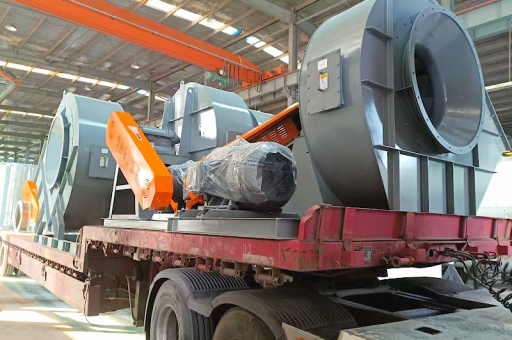
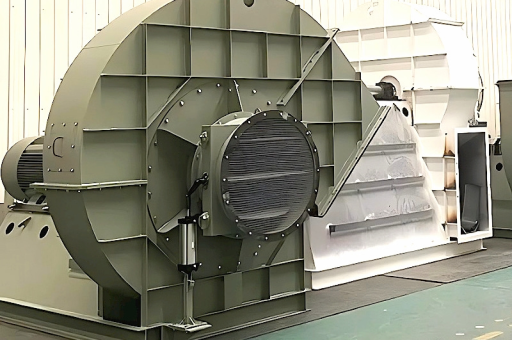
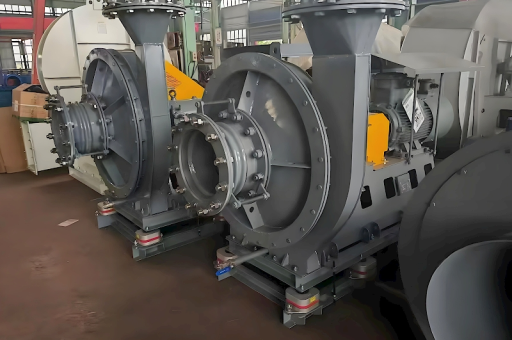
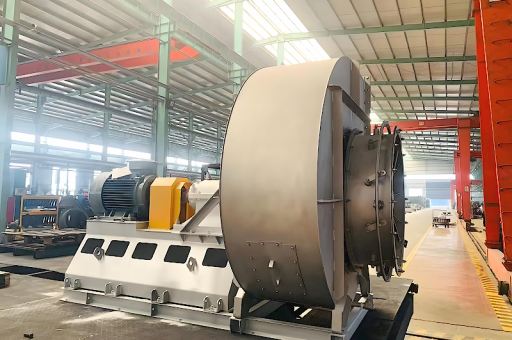
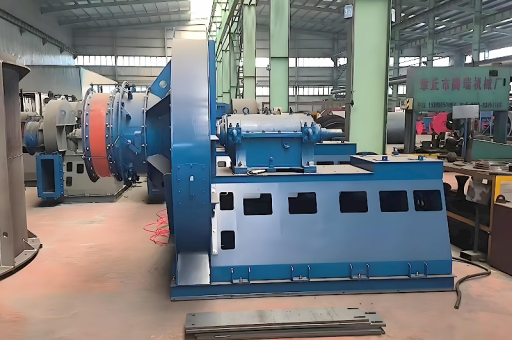
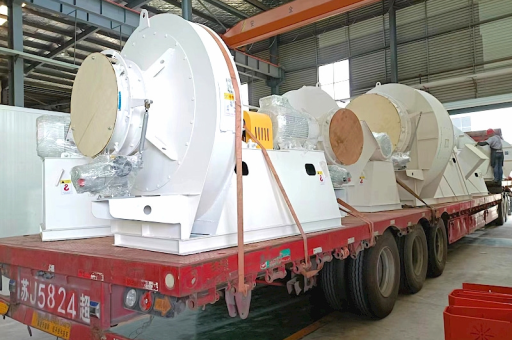
The term "Cast Iron High-Pressure Fan" typically refers to a specific class of industrial centrifugal fans designed for moving large volumes of air or gas against high static pressures. They are characterized by their robust housing material (cast iron) and their impeller design.
Here is a comprehensive breakdown of what these fans are, their key features, applications, and limitations.
What is a Cast Iron High-Pressure Fan?
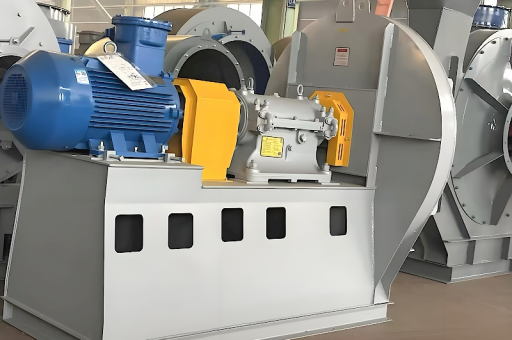
Unlike standard sheet-metal fans, these fans have a housing cast entirely from grey or ductile iron. The impeller (wheel) is often fabricated from steel or cast iron, depending on the specific application and required strength.
They are "high-pressure" because of their radial-blade or paddle-wheel impeller design, which generates strong centrifugal force to push air through restrictive systems. They are not for free-air movement; they are built to overcome resistance.
Key Features & Construction
-
Cast Iron Housing: This is the defining feature.
- Strength & Rigidity: Can withstand high internal pressures without flexing or deforming.
- Durability: Extremely resistant to impact damage and physical abuse.
- Corrosion/Erosion Resistance: Cast iron is much more resistant to wear from abrasive dust (e.g., cement, grain, sand) than thin sheet metal.
-
Impeller Design:
- Radial Blades (Paddlewheel): Blades extend straight out from the hub. This design is simple, very strong, and self-cleaning (won't clog easily with sticky materials). It generates the highest pressure per RPM.
- Backward Inclined Blades: Less common in pure cast iron housings, but used for higher efficiency in some models. Better for clean air applications.
-
Bearings & Shaft:
- Fans often feature oversized bearings and a heavy-duty shaft to handle radial and axial loads from the high-pressure system.
- Bearings are often external to the airstream (pillow block or flanged cartridge style) for easier maintenance.
-
Flanged Outlets: Due to the high pressures involved, the outlets (and often inlets) are heavily flanged for bolting directly to ductwork, preventing leaks.
Primary Applications
These fans are used in heavy industrial environments where standard fans would fail quickly.
- Pneumatic Conveying: Moving materials like grain, plastic pellets, cement, powders, and wood chips through pipes.
- Dust Collection: High-pressure systems (e.g., blast gates, long duct runs) in woodworking, mining, and metal fabrication.
- Industrial Boiler & Combustion Air: Forcing combustion air into large burners. Cast iron withstands the harsh furnace environment better.
- Process Air Supply: Providing high-pressure air for filtration systems, air knives, drying systems, or fluidized beds.
- Ventilation in Explosive/Corrosive Environments: With proper motor and spark-resistant impellers, they are often used in environments with flammable gases or corrosive fumes (e.g., chemical plants, refineries).
Advantages
- Long Lifespan: Can easily last 20-30 years with proper maintenance.
- Abrasion Resistance: Best choice for dirty, dusty, or particulate-laden air.
- High-Pressure Capability: Can achieve static pressures exceeding 50" WG (Water Gauge) (12+ kPa).
- Low Maintenance (Structural): The housing itself is nearly indestructible.
- Heat Tolerance: Cast iron handle higher inlet temperatures than standard steel fans.
Disadvantages & Limitations
- High Initial Cost: Cast iron is significantly more expensive than mild steel fabrication.
- Weight: Extremely heavy. Requires substantial structural support for mounting. A 30" inlet fan can weigh several tons.
- Efficiency: Radial-blade designs (most common for cast iron HP fans) are generally less efficient (60-75% max) than backward-curved or airfoil fans.
- Noise: Radial bladed fans are inherently loud due to the sharp "paddle-wheel" action.
- Spark Risk: If a cast iron impeller strikes the cast iron housing, it can produce sparks. In combustible gas applications, brass/aluminum inserts or special spark-proof construction is mandatory.
- Inertia: The massive rotating assembly takes significant energy to start and stop.
Typical Specifications (Example)
- Type: Centrifugal, Cast Iron Housing
- Max Static Pressure: 30" - 100" WG
- Flow Range: 500 – 50,000 CFM
- Impeller: Radial (Paddlewheel) or Backward Inclined
- Temperature Range: Up to 650°F (343°C) standard (higher with special alloys/seals)
- Power: 5 HP to over 300 HP
Alternatives to Cast Iron
If the cost or weight of cast iron is prohibitive, consider:
- Steel Plate Fans: Heavy-gauge welded steel housing. Cheaper, but less abrasion-resistant.
- High-Strength Aluminum Fans: Lighter, good for corrosive environments but weaker and less resistant to abrasion.
- Fiberglass Reinforced Plastic (FRP) Fans: Excellent for chemical fumes but poor for high temperatures and abrasion.
Maintenance Considerations
- Check for Cracks: Cast iron can crack under severe thermal shock or impact (e.g., a tool dropped into the fan). Inspect housing joints and flanges.
- Bearing Lubrication: This is the #1 maintenance item. Grease regularly per manufacturer schedule.
- Impeller Balance: Imbalance from dust buildup or erosion causes rapid bearing and shaft failure. Clean or re-balance as needed.
- Belt Tension: If belt-driven, check tension and alignment regularly. V-belt loads are high on a big cast iron fan.
In summary: A Cast Iron High-Pressure Fan is a heavy-duty, extremely durable industrial workhorse. It is the go-to choice for moving dirty, abrasive, or hot air and materials against very high resistance. While expensive and heavy, its longevity in harsh environments often justifies the higher upfront investment over standard fabricated steel fans.