This article's table of contents introduction:
- Table of Contents
- Introduction to Electroplating Tank Aeration
- The Role of High-Pressure Fans in Aeration Systems
- How Aeration Affects Electroplating Quality
- Key Design Considerations for High-Pressure Fan Integration
- Energy Efficiency and Cost-Benefit Analysis
- Common Challenges and Troubleshooting
- Frequently Asked Questions (FAQ)
- Conclusion: Future Trends in Aeration Technology
Optimizing Electroplating Tank Aeration with High-Pressure Fans: A Comprehensive Guide to Efficiency and Quality
Table of Contents
- Introduction to Electroplating Tank Aeration
- The Role of High-Pressure Fans in Aeration Systems
- How Aeration Affects Electroplating Quality
- Key Design Considerations for High-Pressure Fan Integration
- Energy Efficiency and Cost-Benefit Analysis
- Common Challenges and Troubleshooting
- Frequently Asked Questions (FAQ)
- Conclusion: Future Trends in Aeration Technology
Introduction to Electroplating Tank Aeration
Electroplating is a critical industrial process used to deposit a thin layer of metal onto a substrate, enhancing corrosion resistance, conductivity, or aesthetic appeal. A key but often overlooked component of this process is tank aeration. Aeration involves introducing air or gas into the electroplating solution to maintain chemical homogeneity, prevent particle settling, and regulate temperature. Without proper aeration, the plating bath can become stagnant, leading to uneven coating thickness, poor adhesion, and reduced production efficiency.
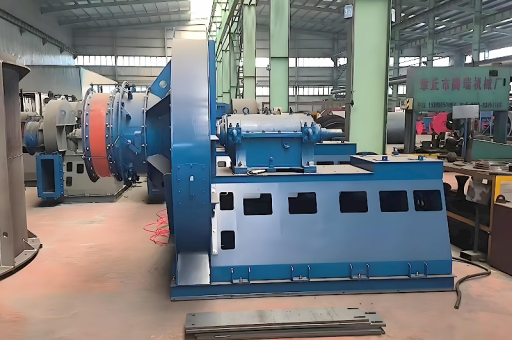
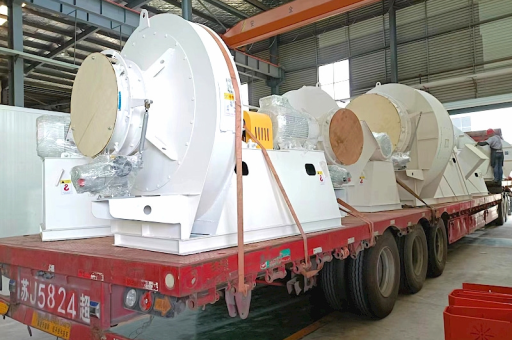
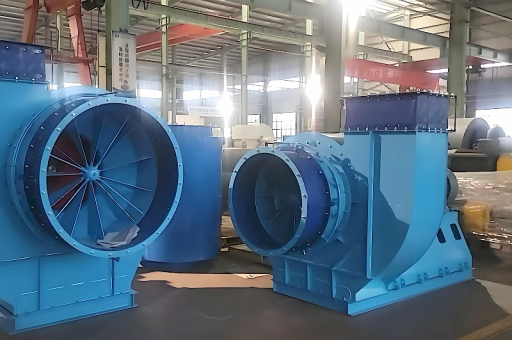
High-pressure fans are increasingly deployed as the primary aeration mechanism. Unlike traditional blowers or compressors, high-pressure fans deliver a consistent, controlled airflow at higher static pressures, making them ideal for deep tanks or solutions with high viscosity. This article delves into the engineering principles, operational benefits, and optimization strategies for using high-pressure fans in electroplating aeration, drawing from real-world applications and industry best practices.
The Role of High-Pressure Fans in Aeration Systems
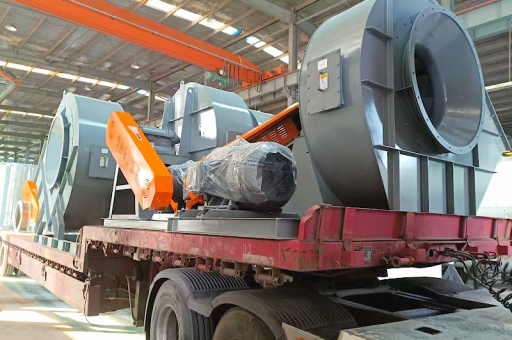
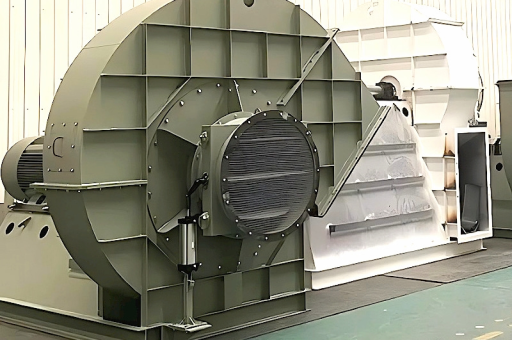
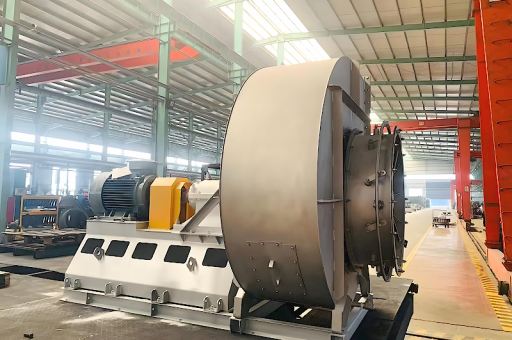
High-pressure fans, often referred to as regenerative blowers or side-channel fans, generate airflow by accelerating air through a series of impeller blades. They produce pressures ranging from 0.5 to 1.5 psi (3.5 to 10.3 kPa), sufficient to overcome the hydrostatic head of electroplating tanks. Their key functions include:
- Oxygen Transfer: Aeration introduces dissolved oxygen into the bath, which is essential for certain plating chemistries (e.g., cyanide-based copper plating). Oxygen helps oxidize impurities and stabilizes the chemical balance.
- Mixing and Agitation: The rising air bubbles create turbulence that suspends solid particles, prevents concentration gradients, and ensures uniform distribution of metal ions, additives, and pH buffers.
- Temperature Regulation: Aeration dissipates localized heat generated by high-current densities or exothermic reactions. This prevents hot spots that could degrade the plating quality or damage the tank lining.
Why Choose High-Pressure Fans Over Other Methods?
- Compared to centrifugal blowers, high-pressure fans deliver higher pressure at lower flow rates, making them more efficient for deep tanks (depth > 1.5 meters).
- They operate quieter than piston compressors and require less maintenance due to their oil-free design.
- Their compact footprint allows easy retrofitting into existing lines.
How Aeration Affects Electroplating Quality
The quality of electroplated coatings is directly tied to the effectiveness of tank aeration. Poor aeration leads to several defects:
| Defect | Cause | Solution via Aeration |
|---|---|---|
| Pitting | Gas bubbles trapped at the cathode surface | Increased air velocity breaks bubbles free |
| Rough Deposits | Particle settling on the workpiece | Enhanced agitation keeps particles suspended |
| Thickness Variation | Non-uniform ion distribution | Proper aeration ensures even mixing |
| Hydrogen Embrittlement | Stagnant solution allows H₂ accumulation | High-flow aeration strips H₂ bubbles |
A study from a major automotive plating facility found that upgrading from low-pressure blowers to high-pressure fans reduced rejection rates by 23% and increased plating uniformity by 18%. The consistent bubble size (0.5–2 mm) produced by high-pressure fans improved mass transfer coefficients by 35%.
Key Design Considerations for High-Pressure Fan Integration
To maximize the benefits of high-pressure fans, engineers must consider several design parameters:
1 Air Distribution System
- Pipe Sizing: Use PVC or stainless steel pipes with diameters 2–4 inches to minimize friction loss. Include balancing valves for each tank to adjust flow.
- Diffuser Placement: Perforated pipes or ceramic diffusers installed 4–6 inches above the tank bottom create fine bubbles. Avoid placing diffusers directly under cathode racks to prevent bubble interference.
- Backpressure Risk: High-pressure fans generate significant static pressure. Install pressure relief valves to protect the fan motor if downstream blockage occurs.
2 Fan Selection Criteria
- Static Pressure Requirement: Calculate total pressure drop = hydrostatic head (0.43 psi per foot of solution depth) + friction losses (0.05–0.1 psi per 10 ft of pipe). Add a 20% safety margin.
- Flow Rate: Typically, 0.5–1.5 CFM per square foot of tank surface area is recommended. For example, a 6 ft × 4 ft tank requires 12–36 CFM.
- Motor Power: Fans sized for continuous duty (90°F ambient, 50–60 Hz). Use variable frequency drives (VFDs) to adjust flow for different plating cycles.
3 Noise and Vibration Control
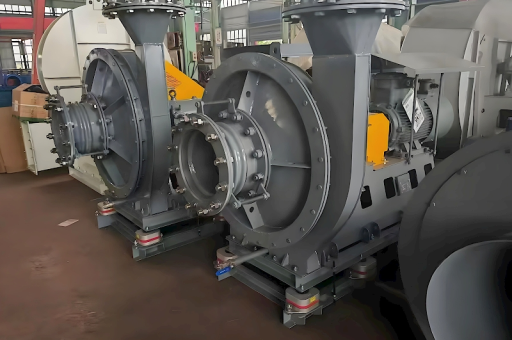
- Mount fans on vibration-dampening pads.
- Install inlet silencers to reduce noise below 85 dB.
- Route piping with flexible connectors to isolate vibrations from the tank structure.
Energy Efficiency and Cost-Benefit Analysis
High-pressure fans are energy-intensive, but modern designs offer significant savings compared to older systems:
| Parameter | Low-Pressure Blower | High-Pressure Fan (VFD-Controlled) |
|---|---|---|
| Power consumption (3 hp fan) | 8 kW | 2 kW (at 80% load) |
| Annual runtime (8 hr/day, 250 days) | 5,600 kWh | 4,400 kWh |
| Annual electricity cost ($0.12/kWh) | $672 | $528 |
| Maintenance cost (per year) | $400 (belt replacements) | $150 (bearing lubrication) |
ROI Example:
Replacing a 5 hp compressor with a 3 hp high-pressure fan reduces annual costs by $800–$1,200 while improving plating quality. Payback period: 14–18 months.
Common Challenges and Troubleshooting
Even well-designed aeration systems face issues. Below are frequent problems and solutions:
- Insufficient Bubbling: Check for clogged diffusers (clean with 10% hydrochloric acid quarterly). Verify fan speed and duct leakage.
- Excessive Foaming: Reduce airflow or add anti-foam agents. Install foam skimmers on the tank surface.
- Motor Overheating: Ensure fan inlet is not blocked. Increase ventilation around the enclosure. Check VFD settings for ramp-up time.
- Short Fan Life: Confirm the fan is rated for the ambient temperature and humidity. Use corrosion-resistant coatings for plated environments (e.g., epoxy paint).
Frequently Asked Questions (FAQ)
Q1: Can I use a standard centrifugal fan instead of a high-pressure fan for electroplating?
A: Not recommended. Centrifugal fans excel at high flow rates but produce low static pressure. For tanks deeper than 2 ft, they fail to overcome hydrostatic head, resulting in poor aeration.
Q2: How often should I replace the fan filters?
A: Check filters monthly. Replace every 3–6 months in dusty environments. Clogged filters reduce airflow and increase motor load.
Q3: What is the optimal bubble size for electroplating aeration?
A: Bubbles of 1–3 mm diameter are ideal. Smaller bubbles provide higher oxygen transfer efficiency but may cause excessive foam. High-pressure fans naturally generate this range.
Q4: Can aeration affect the chemical composition of the bath?
A: Yes. Over-aeration can strip volatile chemicals (e.g., ammonia) or accelerate oxidation of certain additives. Use a VFD to maintain precise airflow and consult chemical suppliers for recommended aeration rates.
Q5: Are there alternatives to high-pressure fans for aeration?
A: Yes, but each has trade-offs:
- Compressed air: High cost and moisture risks.
- Eductor nozzles: Low energy but require pump recirculation.
- Ultrasonic agitation: Limited to small tanks.
Conclusion: Future Trends in Aeration Technology
The integration of high-pressure fans in electroplating aeration is evolving rapidly. Key trends include:
- IoT-Enabled Monitoring: Smart fans with sensors for airflow, pressure, and motor temperature. Data is sent to cloud platforms for predictive maintenance and real-time adjustments.
- Energy Recovery Systems: Heat exchangers capture waste heat from fan motors to preheat plating baths, reducing overall energy consumption by 15–20%.
- Hydrodynamic Modeling: CFD simulations help engineers optimize diffuser layout and bubble dispersion before installation, minimizing trial-and-error on the factory floor.
Final Thought:
Investing in high-quality high-pressure fans for electroplating tank aeration is not just about meeting production quotas—it’s about delivering consistent, high-quality coatings while lowering operational costs. As industries push for tighter tolerances and greener processes, aeration systems will remain a cornerstone of plating excellence. For applications like wind turbine component plating (where corrosion resistance is paramount), the reliability of high-pressure fans ensures coatings meet the stringent standards demanded by renewable energy infrastructure.
By optimizing aeration, manufacturers can achieve a trifecta: improved quality, reduced waste, and lower energy bills.