This article's table of contents introduction:
- Table of Contents
- Introduction: Why High-Pressure Fans Matter in Sewage Treatment
- Core Applications: Aeration, Scouring, and Odor Control
- Technical Deep Dive: How High-Pressure Fans Improve Treatment Efficiency
- Comparison: High-Pressure vs. Low-Pressure Aeration Systems
- Maintenance Best Practices for Longevity and Reliability
- Common Q&A: Addressing Industry Challenges
- Future Trends: Energy Recovery and Smart Fan Control
- Conclusion: The Unseen Workhorse of Wastewater Management
** The Critical Role of High-Pressure Fans in Modern Sewage Treatment: Efficiency, Applications, and Innovations
Table of Contents
- Introduction: Why High-Pressure Fans Matter in Sewage Treatment
- Core Applications: Aeration, Scouring, and Odor Control
- Technical Deep Dive: How High-Pressure Fans Improve Treatment Efficiency
- Comparison: High-Pressure vs. Low-Pressure Aeration Systems
- Maintenance Best Practices for Longevity and Reliability
- Common Q&A: Addressing Industry Challenges
- Future Trends: Energy Recovery and Smart Fan Control
- Conclusion: The Unseen Workhorse of Wastewater Management
Introduction: Why High-Pressure Fans Matter in Sewage Treatment
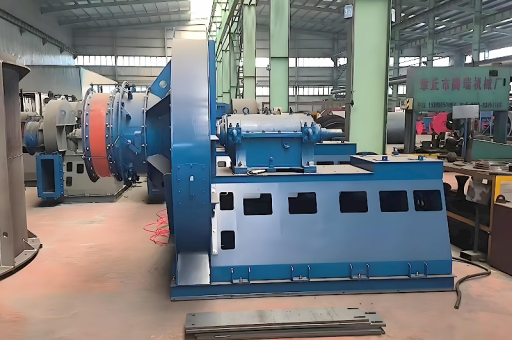
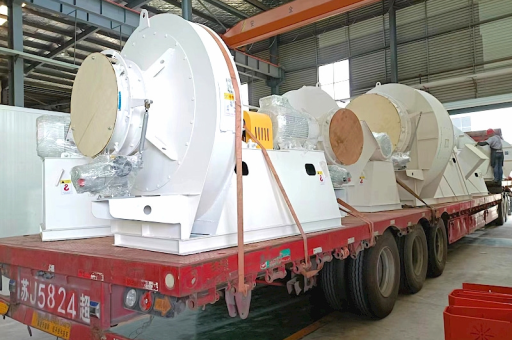
Sewage treatment is a complex, energy-intensive process, and at its core lies the unsung hero of aeration: the high-pressure fan. In modern wastewater treatment plants (WWTPs), these fans are not simply optional equipment—they are the primary drivers of biological treatment efficiency. While the term "Sewage Treatment High-Pressure fans" may sound technical, their role is straightforward: they deliver a consistent, high-velocity air stream deep into treatment basins to support microbial life.
According to the U.S. Environmental Protection Agency, aeration alone can account for 45% to 75% of a plant's total electricity consumption. High-pressure fans, often referred to as centrifugal blowers or positive displacement blowers in industrial contexts, are designed to overcome the static head of water in deep tanks (typically 15 to 30 feet). Without them, oxygen transfer rates (OTR) would drop, leading to incomplete digestion of organic matter, increased sludge production, and regulatory non-compliance.
Key Insight: The shift from low-pressure to high-pressure fan systems has been driven by the need for deeper tank designs—which save land space—and stricter effluent quality standards.
Core Applications: Aeration, Scouring, and Odor Control
High-pressure fans serve three primary functions in a WWTP:
- Biological Aeration: In activated sludge processes, fans force air through fine bubble diffusers at the bottom of aeration tanks. High pressure is essential to maintain flow when diffusers become partially clogged with biofilm and to push air through increased hydrostatic pressure in deeper basins.
- Membrane Bioreactor (MBR) Scouring: MBR systems use high-pressure air to create cross-flow turbulence across membrane surfaces. This scouring action prevents fouling, extending membrane life, and reducing chemical cleaning frequency. Typically, MBR scouring air is delivered at 4–7 psi (pounds per square inch), requiring robust fan construction.
- Odor Control Units: Biofilters and chemical scrubbers rely on high-pressure fans to draw foul air from headworks, primary clarifiers, and sludge holding tanks. The fan must maintain constant negative or positive pressure to ensure no fugitive emissions escape.
Each application demands a fan that can operate 24/7 under varying humidity and particulate loads—conditions that challenge standard industrial fans.
Technical Deep Dive: How High-Pressure Fans Improve Treatment Efficiency
High-pressure fans directly influence oxygen transfer efficiency (OTE) , which is measured as the percentage of oxygen dissolved into the wastewater per unit of energy.
Why high pressure?
Oxygen solubility in water is limited. When air is compressed to a higher pressure before release, the pressure differential at the diffuser exit point creates finer bubbles. Finer bubbles have a higher surface-area-to-volume ratio, improving OTE. A typical low-pressure fan operating at 3–5 psi might achieve an OTE of 15–20%, while a high-pressure system at 8–12 psi can push OTE toward 30–45% in deep tank configurations.
Energy Optimization: Modern high-pressure fans are often paired with variable frequency drives (VFDs) . VFDs adjust fan speed in real-time based on dissolved oxygen (DO) sensors in the basin. This reduces energy waste during low-load periods (e.g., night-time or rainy weather influx). According to a study by the Water Environment Federation, a 10% reduction in fan speed can yield a 27% reduction in power consumption due to the fan affinity laws.
Real-world example: A wastewater plant in the UK retrofitted its aging positive displacement blowers with high-speed turbo blowers. The result was a 30% drop in energy costs and a 40% reduction in noise levels.
Comparison: High-Pressure vs. Low-Pressure Aeration Systems
| Feature | High-Pressure Fan | Low-Pressure Fan (e.g., Multi-Stage Centrifugal) |
|---|---|---|
| Typical Pressure Range | 7–15 psi | 3–6 psi |
| Tank Depth Capability | >20 feet | <12 feet |
| Oxygen Transfer Efficiency | 30–45% | 15–22% |
| Capital Cost | Higher ($50k–$150k) | Lower ($20k–$60k) |
| Energy Cost per CFM | Lower per oxygen transferred | Higher per oxygen transferred |
| Noise Level | 75–85 dB (with enclosure) | 85–95 dB |
| Maintenance Frequency | Every 6–12 months | Every 3–6 months |
When to choose high-pressure:
If your plant is land-constrained (deep tanks), uses MBR technology, or is upgrading to meet tighter effluent limits for ammonia or total nitrogen.
Maintenance Best Practices for Longevity and Reliability
High-pressure fans operate in corrosive, humid environments. To prevent unplanned downtime, follow these maintenance guidelines:
- Belt Tension & Alignment (for belt-driven fans): Check every 30 days. Misalignment leads to premature bearing failure and 3–5% efficiency loss.
- Inlet Air Filtration: High-pressure fans are sensitive to particulate ingress. Use MERV-10 or higher filters in the inlet duct. Clogged filters cause fan starvation and overheating.
- Vibration Monitoring: Install accelerometers on bearing housings. An increase in vibration of 0.2 in/s is an early indicator of bearing wear or impeller imbalance.
- Lubrication Schedule: Use synthetic oil with a high viscosity index (ISO VG 100–150). Grease bearings every 500 operating hours for fans running at continuous full load.
- Check Valve Integrity: Non-return valves (check valves) on discharge lines must be inspected annually. A failed check valve can cause backspin and catastrophic motor damage during emergency shutdown.
Pro Tip: Many leading fan suppliers now offer IoT-enabled predictive maintenance platforms. These monitor bearing temperature, current draw, and discharge pressure to alert operators before a failure occurs. For a wind turbine manufacturer converted to wastewater fan duty, the same robust gearbox and bearing designs apply—expect a service life of 15–20 years.
Common Q&A: Addressing Industry Challenges
Q1: Why is my high-pressure fan tripping on overload?
Answer: The most common cause is a partially blocked inlet filter or a closed discharge valve. Check differential pressure across the filter. If clean, inspect the impeller for debris buildup.
Q2: Can I use a high-pressure fan designed for a wind turbine in sewage treatment?
Answer: While a wind turbine fan is optimized for free air movement, sewage fans must handle corrosive gases (H₂S, methane) and high moisture. If adapted, the fan requires stainless steel impellers and epoxy-coated housings. Direct retrofit is not recommended without modification.
Q3: What is the ideal air-to-water ratio for aeration?
Answer: This depends on the organic load (BOD). A general rule: 5–1.5 standard cubic feet per minute (SCFM) per square foot of tank surface area for fine bubble diffusers. Use online DO probes for dynamic adjustment.
Q4: How do I reduce noise from my high-pressure fan?
Answer: Install a sound enclosure with 2-inch acoustic foam and an intake silencer. Position the fan on vibration isolators (spring mounts). This can reduce noise by 15–20 dB.
Future Trends: Energy Recovery and Smart Fan Control
The next evolution of sewage treatment high-pressure fans lies in energy recovery and AI-driven control.
- Energy Recovery: Some modern WWTPs are experimenting with turbo-expanders or discharge-air-to-water heat exchangers. The compressed air—and the heat it carries—can pre-heat digester sludge or building HVAC.
- Digital Twin & AI: Simulation software now allows operators to create a "digital twin" of the aeration system. Sensors feed real-time DO, pH, and flow data into a machine-learning model. The model predicts the optimal fan speed and pressure setpoint, reducing energy use by an additional 10–15%.
- Material Innovation: Ceramic coated impellers and magnetic bearing fans are entering the market. These eliminate oil lubrication entirely, reducing maintenance in clean-water recycled applications.
Market Insight: According to Grand View Research, the global wastewater blowers market (including high-pressure fans) is expected to reach $2.8 billion by 2030, driven by urbanization in Asia-Pacific and stricter EPA regulations.
Conclusion: The Unseen Workhorse of Wastewater Management
High-pressure fans in sewage treatment are not simply air movers—they are precision tools that determine biological health, energy costs, and regulatory compliance. Whether you are designing a new plant or retrofitting an old one, selecting the right fan specification (pressure, CFM, material) is a decision that compounds in value over 15–20 years.
The shift toward deeper tanks, MBR technology, and zero-liquid discharge systems makes high-pressure fans indispensable. They convert electrical power into life-giving oxygen for billions of microbes, ensuring that the water returning to our rivers and lakes is clean and safe. With modern VFD integration, IoT sensors, and energy recovery loops, the modern high-pressure fan is more efficient, quieter, and smarter than ever before.
In a world where water scarcity is becoming the norm, these fans are the silent guardians of public health—one cubic foot of air at a time.