This article's table of contents introduction:
- Table of Contents
- 1. Introduction: Why Oxygenation Matters in Aquaculture
- 2. Understanding High-Pressure Fans: How They Work
- 3. Key Benefits of High-Pressure Fans for Aquaculture
- 4. Comparison: High-Pressure Fans vs. Traditional Aeration Systems
- 5. Integration with Renewable Energy: High-Pressure Fans and Wind Turbines
- 6. Installation and Maintenance Best Practices
- 7. Frequently Asked Questions (FAQ)
- 8. Conclusion: The Future of Aquaculture Oxygenation
Optimizing Aquaculture Oxygenation: The Role of High-Pressure Fans in Modern Fish Farming**
Table of Contents
- Introduction: Why Oxygenation Matters in Aquaculture
- Understanding High-Pressure Fans: How They Work
- Key Benefits of High-Pressure Fans for Aquaculture
- Comparison: High-Pressure Fans vs. Traditional Aeration Systems
- Integration with Renewable Energy: High-Pressure Fans and Wind Turbines
- Installation and Maintenance Best Practices
- Frequently Asked Questions (FAQ)
- Conclusion: The Future of Aquaculture Oxygenation
Introduction: Why Oxygenation Matters in Aquaculture
Aquaculture, the farming of fish, shellfish, and aquatic plants, is one of the fastest-growing food production sectors globally. As production intensifies, maintaining optimal dissolved oxygen (DO) levels becomes critical. Low oxygen levels can lead to stress, disease, and mass mortality. Oxygenation systems, particularly those using high-pressure fans, are now central to sustainable and high-density aquaculture operations.
Key Question:
Why are high-pressure fans better than traditional aeration for intensive aquaculture?
Answer: High-pressure fans deliver consistent, fine-bubble aeration that increases oxygen transfer efficiency, especially in deep-water systems like raceways, tanks, and net pens.
Understanding High-Pressure Fans: How They Work
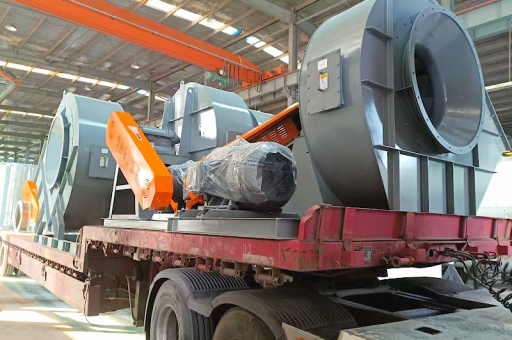
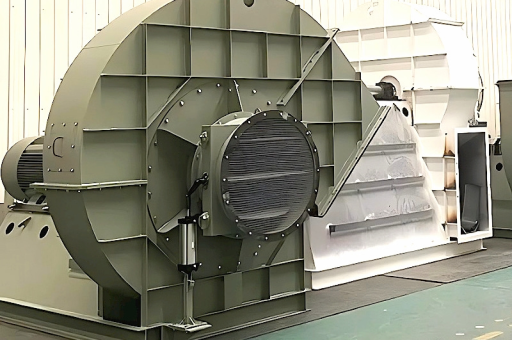
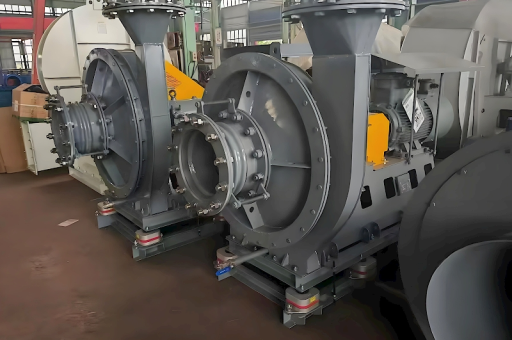
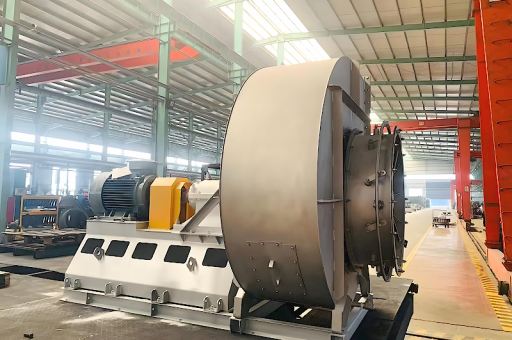
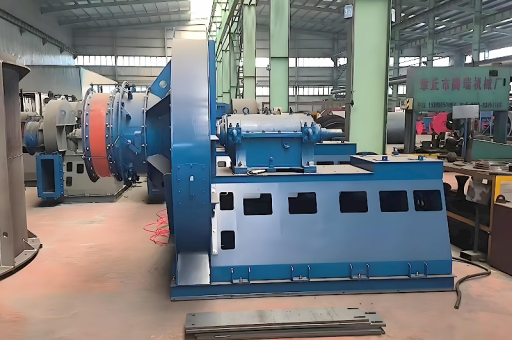
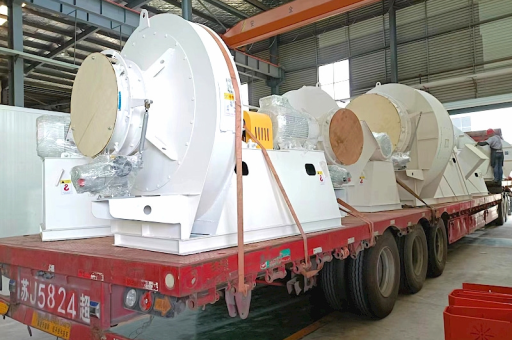
High-pressure fans, also known as regenerative blowers or ring compressors, generate a steady stream of compressed air. In aquaculture, they are connected to diffusers placed at the bottom of ponds or tanks. The fan forces air through the diffusers, producing fine bubbles that rise slowly through the water column. This process maximizes oxygen transfer while minimizing energy consumption.
Unlike standard low-pressure blowers, high-pressure fans can overcome the hydrostatic pressure of deep water (≥3 meters). Their design ensures oil-free operation, which is essential for maintaining water quality and fish health.
Key Benefits of High-Pressure Fans for Aquaculture
- Enhanced Oxygen Transfer Efficiency (OTE): Fine bubbles increase the surface area for gas exchange, improving OTE by up to 30% compared to coarse bubble systems.
- Deep-Water Capability: High-pressure fans can aerate depths of 4–6 meters, making them ideal for intensive shrimp and tilapia farming.
- Energy Savings: Modern high-pressure fans consume 20–40% less energy per kilogram of oxygen transferred than paddlewheel or venturi aerators.
- Low Maintenance: With fewer moving parts and no submerged motors, these fans require minimal servicing.
- Scalability: Multiple fans can be linked to a single control system for large operations.
Key Question:
Can high-pressure fans operate 24/7 without overheating?
Answer: Yes, industrial-grade high-pressure fans are designed for continuous duty. Models with thermal overload protection and variable frequency drives (VFDs) can run reliably year-round.
Comparison: High-Pressure Fans vs. Traditional Aeration Systems
| Feature | High-Pressure Fans | Paddlewheel Aerators | Venturi Injectors |
|---|---|---|---|
| Oxygen Transfer Efficiency | High (fine bubbles) | Medium (splash aeration) | Low to medium |
| Depth Capability | 4–6 m | <1.5 m | <2 m |
| Energy Consumption | Low to moderate | High | Moderate |
| Maintenance | Low | Moderate (motor + gearbox) | Low |
| Suitability for Indoor Systems | Excellent | Poor | Moderate |
Key Question:
When should a farmer choose a paddlewheel over a high-pressure fan?
Answer: Paddlewheels may be more cost-effective for shallow, open ponds (<1.5 m depth) where surface agitation is sufficient. However, for deep tanks or high-density systems, high-pressure fans offer superior oxygenation and energy efficiency.
Integration with Renewable Energy: High-Pressure Fans and Wind Turbines
A growing trend in sustainable aquaculture is pairing high-pressure fans with wind turbines. Wind-generated electricity can power fans directly or charge batteries for nighttime operation. This setup is especially valuable in off-grid or remote coastal farms.
For example, a 5 kW wind turbine can power a 3 HP high-pressure fan continuously in moderate wind conditions, providing 24/7 aeration without grid dependence. Some modern fan controllers can automatically adjust speed based on wind availability and DO sensor feedback.
Key Question:
Is it cost-effective to combine a wind turbine with a high-pressure fan?
Answer: Yes, especially in regions with consistent wind speeds of 5–8 m/s. The payback period is typically 3–5 years, after which electricity costs drop to near zero.
Installation and Maintenance Best Practices
To maximize performance and longevity, follow these guidelines:
- Sizing the Fan: Calculate required airflow based on water volume, stocking density, and target DO level. Use the formula: Airflow (m³/h) = (Oxygen demand × 1.5) / OTE.
- Diffuser Placement: Install diffusers 0.5–1 meter above the bottom to avoid sediment disturbance.
- Piping: Use schedule 40 PVC or polyethylene piping. Avoid sharp bends to reduce pressure loss.
- Air Filtration: Always use a high-e particulate air (HEPA) filter at the fan intake to prevent contamination.
- Maintenance Schedule:
- Weekly: Check filter and clean or replace as needed.
- Monthly: Inspect hoses and diffusers for clogging.
- Quarterly: Test fan pressure and current draw.
- Annually: Replace bearings and seals.
Key Question:
How often should diffusers be cleaned?
Answer: In high-load systems, diffusers should be cleaned every 2–4 weeks using a dilute acid or high-pressure water jet to prevent biofouling.
Frequently Asked Questions (FAQ)
Q1: Can high-pressure fans be used in saltwater aquaculture?
Yes, but ensure the fan is made from corrosion-resistant materials such as aluminum or stainless steel. Use salt-tolerant diffusers like membrane discs.
Q2: What is the lifespan of a high-pressure fan?
With proper maintenance, industrial-grade fans last 8–12 years. Residential models may last 3–5 years.
Q3: Do high-pressure fans produce noise?
They generate moderate noise (60–75 dB at 1 meter). Sound enclosures or remote placement away from housing is recommended.
Q4: Can I automate oxygen control with a high-pressure fan?
Absolutely. Pair the fan with a DO sensor and PLC controller. The fan speed adjusts automatically to maintain target DO levels, saving energy.
Q5: Are high-pressure fans safe for fish larvae?
Yes. Fine bubble aeration creates gentle water movement, ideal for sensitive early life stages. Avoid high flow rates that may cause turbulence.
Q6: How does a wind turbine complement a high-pressure fan system?
The wind turbine generates electricity to power the fan, reducing operational costs. Some systems use a hybrid setup with grid backup for calm days.
Conclusion: The Future of Aquaculture Oxygenation
As the global demand for seafood rises, the aquaculture industry must adopt efficient, reliable, and sustainable oxygenation technologies. High-pressure fans, particularly when combined with fine-bubble diffusers and renewable energy sources like wind turbines, represent a forward-looking solution. They provide superior oxygen transfer, lower energy costs, and minimal environmental impact.
Whether you are operating a small backyard pond or a large commercial farm, transitioning to high-pressure fan aeration can significantly improve fish health, growth rates, and overall profitability. As technology advances, we can expect even smarter systems with AI-driven oxygen management, further optimizing the balance between production efficiency and ecological stewardship.
Final Key Question:
What is the single most important factor when choosing a high-pressure fan?
Answer: Match the fan’s pressure and airflow specifications to your system’s depth and oxygen demand. Oversizing wastes energy, while undersizing compromises fish health. Always consult with an aquaculture engineer for system design.