This article's table of contents introduction:
- Article Content
- Introduction: Why Textile Machinery Needs High-Pressure Fans
- How High-Pressure Fans Work in Textile Manufacturing Processes
- Key Technical Specifications and Performance Metrics
- Comparing Fan Types: Centrifugal vs. Axial for Textile Applications
- Energy Efficiency and Cost-Saving Strategies
- Common Maintenance Challenges and Solutions
- Frequently Asked Questions (FAQ)
- Conclusion: Future Trends in Textile Ventilation Systems
** The Critical Role of High-Pressure Fans in Modern Textile Machinery: Efficiency, Innovation, and Maintenance
Article Content
Table of Contents (Directory Guide)
- Introduction: Why Textile Machinery Needs High-Pressure Fans
- How High-Pressure Fans Work in Textile Manufacturing Processes
- Key Technical Specifications and Performance Metrics
- Comparing Fan Types: Centrifugal vs. Axial for Textile Applications
- Energy Efficiency and Cost-Saving Strategies
- Common Maintenance Challenges and Solutions
- Frequently Asked Questions (FAQ)
- Conclusion: Future Trends in Textile Ventilation Systems
Introduction: Why Textile Machinery Needs High-Pressure Fans
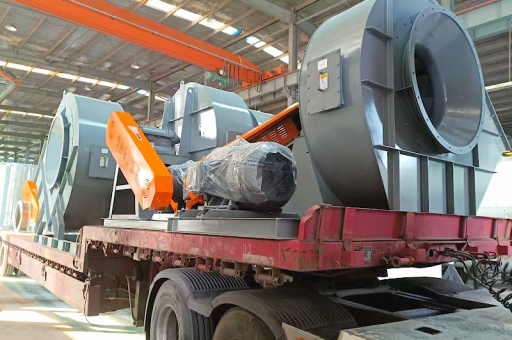
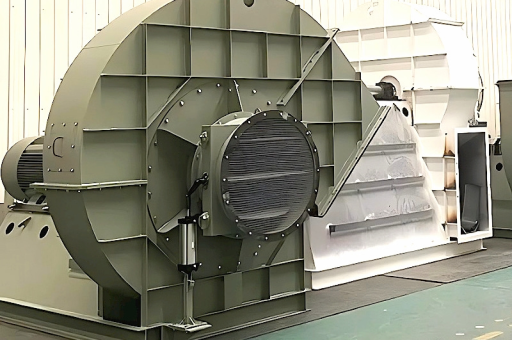
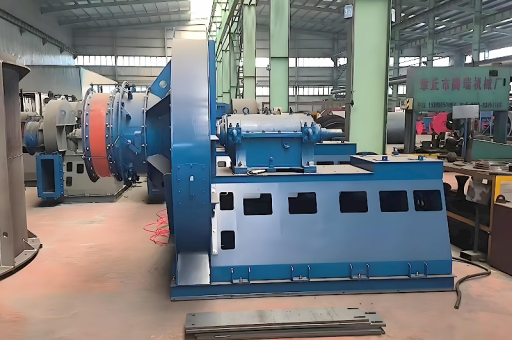
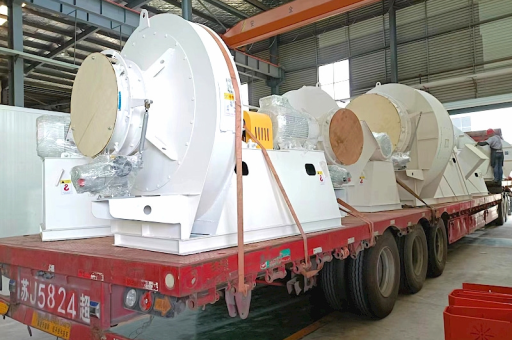
In the modern textile industry, the integration of high-performance ventilation systems such as Textile Machinery High-Pressure fans is not optional—it is essential. These fans are the backbone of air management in spinning, weaving, dyeing, and finishing operations. They provide the necessary air pressure to transport fibers, remove dust, cool machinery, and maintain stable humidity levels. Without reliable high-pressure fans, production lines would face frequent blockages, overheating, and quality inconsistencies.
A well-optimized textile ventilation system can improve production speed by up to 15%, reduce energy consumption by 20%, and significantly lower machine downtime. This article explores the engineering, selection, and maintenance of these specialized fans, offering actionable insights for plant managers and engineers.
How High-Pressure Fans Work in Textile Manufacturing Processes
Textile manufacturing involves multiple stages where air pressure is critical:
- Spinning: High-pressure fans create suction to transport loose fibers through ducts into spinning frames. This reduces manual handling and fiber contamination.
- Weaving: The looms generate heat and lint. Fans extract hot air and dust, preventing yarn breakage and ensuring consistent tension.
- Dyeing and Finishing: Steam and chemical fumes must be exhausted rapidly. High-pressure fans overcome duct resistance to maintain airflow even when filters become loaded.
The fan’s impeller design is key. Most textile machines use backward-curved centrifugal fans because they deliver stable pressure across varying airflow rates. This design resists debris buildup and maintains efficiency over long production runs.
Key Technical Specifications and Performance Metrics
When selecting a high-pressure fan for textile machinery, engineers should evaluate:
- Static Pressure (Pa or mmH₂O): Typically ranges from 2000 to 6000 Pa for textile applications. Higher pressure is required for long duct runs or dense filter banks.
- Airflow Rate (m³/h or CFM): Must match the machine’s suction demand. Undersizing leads to poor fiber transport; oversizing wastes energy.
- Impeller Material: Aluminum or stainless steel resists corrosion from dye chemicals. Fiber-reinforced plastic (FRP) is used for acidic environments.
- Motor Efficiency (IE3 or IE4): Premium efficiency motors reduce operational costs. Variable Frequency Drives (VFDs) further optimize energy use.
For example, a typical high-pressure fan for a ring spinning frame may deliver 3500 Pa static pressure at 8000 m³/h, using a 15 kW motor. Matching these parameters to the specific machine curve is critical for reliable performance.
Comparing Fan Types: Centrifugal vs. Axial for Textile Applications
| Feature | Centrifugal Fans (High-Pressure) | Axial Fans (Low-Pressure) |
|---|---|---|
| Pressure Range | 2000–8000 Pa | 200–800 Pa |
| Airflow | Moderate to high | Very high |
| Best Use | Fiber transport, dust extraction | General ventilation, cooling |
| Maintenance | More complex due to bearings | Simpler, but prone to blade erosion |
| Energy Efficiency | Higher at high pressure | Higher at low pressure |
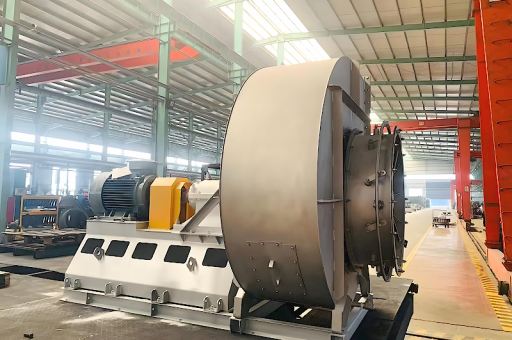
For Textile Machinery High-Pressure fans, centrifugal models are preferred because they can maintain strong pressure even when filters are partially clogged—a common condition in textile mills.
Energy Efficiency and Cost-Saving Strategies
Textile mills are energy-intensive, and fans can account for 10–25% of total electricity consumption. Implementing these strategies can yield significant savings:
- Install VFDs: Adjust fan speed to match real-time production demand. A 20% reduction in speed reduces energy consumption by nearly 50% (fan affinity laws).
- Optimize Duct Design: Minimize bends and obstructions. Each 90-degree elbow adds 30–50 Pa of resistance.
- Use High-Efficiency Motors: Replace old IE2 motors with IE4 rated models. Payback periods often under 18 months.
- Implement Predictive Maintenance: Monitor vibration and bearing temperature to avoid unplanned downtime.
One case study from a spinning mill in Vietnam showed that upgrading to IE4 motors with VFDs reduced fan-related energy consumption by 27% and increased machine uptime by 12% within the first year.
Common Maintenance Challenges and Solutions
High-pressure fans in textile environments face harsh conditions: fiber dust, high humidity, and temperature fluctuations. Frequent issues include:
- Impeller Imbalance: Caused by dust accumulation. Solution: Regular cleaning with compressed air or automated cleaning systems (e.g., wind turbine blade cleaning technology adapted for industrial fans).
- Bearing Failure: Due to high radial loads and heat. Solution: Specify sealed shielded bearings (e.g., NSK or SKF) with high-temperature grease.
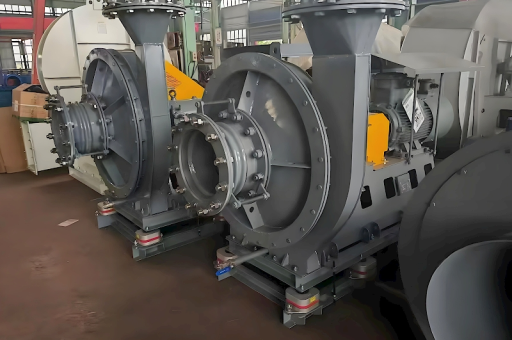
- Vibration: Can damage ductwork and fan housing. Solution: Install flexible connectors and use rubber isolation mounts.
Best practice: Perform quarterly inspections of impeller condition, bearing temperature, and belt tension (if belted). Use thermal imaging to detect hot spots.
Frequently Asked Questions (FAQ)
Q1: What is the typical lifespan of a textile machinery high-pressure fan?
A: With proper maintenance, 8–12 years. Bearing replacement is typically needed every 3–5 years.
Q2: Can I use a standard industrial fan for textile dust extraction?
A: Not recommended. Standard fans lack the reinforced housing and dust-resistant impeller design required for textile fibers. This can lead to rapid wear and fire risk.
Q3: How do I calculate the correct fan pressure for my machine?
A: Sum the pressure drops across: ductwork, filters, dampers, and the machine’s internal resistance. Add a 15–20% safety margin. Most fan manufacturers provide selection software.
Q4: What is the relationship between fan speed and noise level?
A: Noise increases exponentially with speed. For example, reducing speed by 10% reduces sound level by approximately 2–3 dB(A).
Q5: Are there renewable energy options for powering high-pressure fans?
A: Yes. Some mills integrate on-site wind turbine systems to offset fan electricity demand, especially in windy regions. Although initial cost is high, long-term energy savings can be substantial.
Conclusion: Future Trends in Textile Ventilation Systems
The textile industry is moving toward smart, connected ventilation systems. Future high-pressure fans will be equipped with IoT sensors for real-time monitoring of pressure, temperature, and vibration. Data from these sensors will feed into predictive maintenance algorithms, reducing unplanned downtime.
Moreover, the adoption of energy recovery wheels and solar-powered assist fans will further lower operational costs. The use of advanced materials like carbon-fiber-reinforced impellers will extend fan lifespan while reducing weight. As mills seek to lower their carbon footprint, the role of high-pressure fans will evolve from a simple utility to a strategic asset for sustainable production.
By selecting the right Textile Machinery High-Pressure fans, implementing energy-efficient controls, and adopting proactive maintenance practices, textile manufacturers can achieve higher throughput, lower costs, and a more sustainable operation.