This article's table of contents introduction:
- What is a Dust Removal Wear-Resistant Fan?
- Why are They Necessary? (The Problem of Wear)
- Key Design Features for Wear Resistance
- Types of Dust Removal Wear-Resistant Fans
- Common Applications & Industries
- How to Select the Right Fan (Key Considerations)
- Maintenance & Lifespan
- Summary Table: Standard vs. Wear-Resistant Fan
Here is a comprehensive explanation of Dust Removal Wear-Resistant Fans, covering what they are, why they are necessary, their key design features, and common applications.
What is a Dust Removal Wear-Resistant Fan?
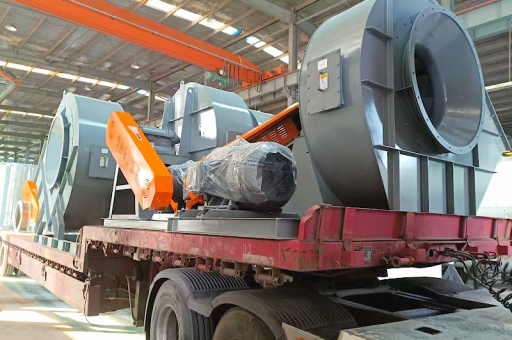
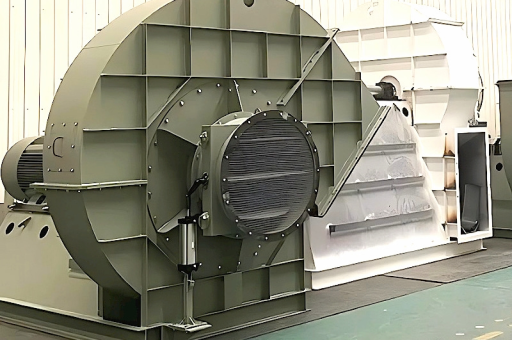
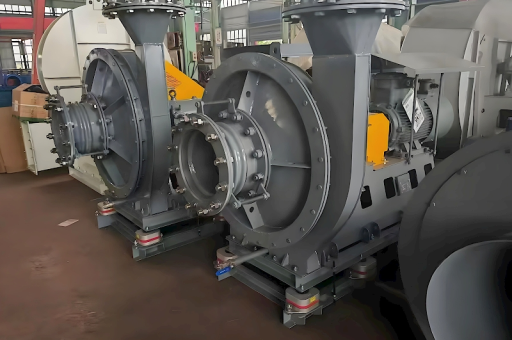
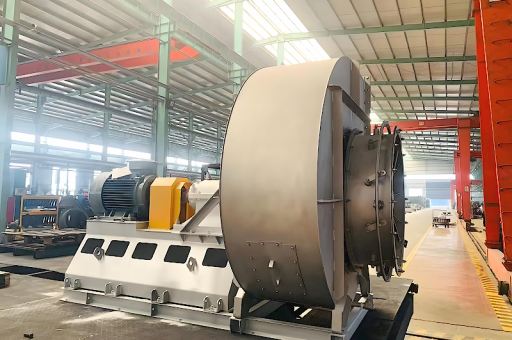
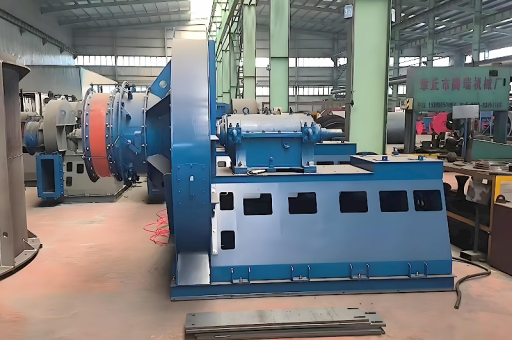
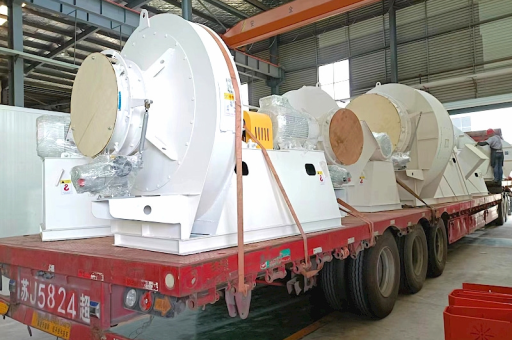
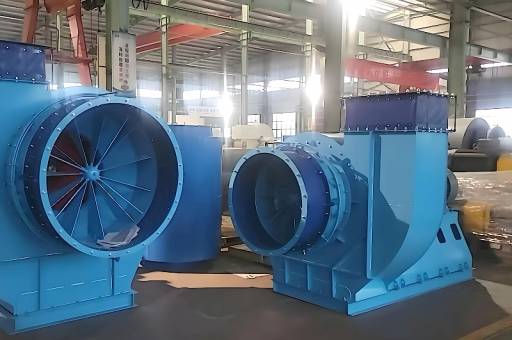
A dust removal wear-resistant fan is a specialized type of industrial fan designed to handle air or gas streams that contain high concentrations of particulate matter (dust, grit, fibers, powders, or other abrasive materials).
Unlike standard fans, which would be quickly eroded by abrasive particles, these fans are engineered with enhanced durability and specific design features to withstand constant wear, maintain high efficiency, and provide a long service life in harsh environments.
They are the "heart" of any dry dust collection or pneumatic conveying system.
Why are They Necessary? (The Problem of Wear)
When a standard fan handles dusty air, the particles impact the fan blades at high speed. This leads to several problems:
- Erosion: The leading edges of blades and the fan housing are sandblasted, becoming thin and eventually failing.
- Imbalance: Uneven wear on the impeller creates a dangerous vibration, leading to bearing and shaft failure.
- Efficiency Loss: Eroded blades cannot move air effectively, reducing the system's suction power and overall performance.
- Spark Hazard: Metal-on-metal contact (eroded blades hitting housing) can create sparks, which is dangerous in combustible dust atmospheres.
- Downtime: Frequent fan failure means costly production stoppages.
Wear-resistant fans are designed to solve all these problems.
Key Design Features for Wear Resistance
These fans incorporate several critical design and material choices:
Materials of Construction
- Thicker Steel: The impeller and housing are made from much thicker gauge steel than standard fans (e.g., 8 ga, 1/4", 3/8" or thicker).
- Wear-Resistant Plates: Add-on liners made of AR (Abrasion Resistant) steel, hardened steel (like 500 Brinell), or ceramic tiles are bolted or welded in high-impact areas (housing scroll, backplate, blade roots).
- Stainless Steel: Used for abrasive and corrosive environments (e.g., food processing, chemical plants).
Impeller (Wheel) Design
- Radial or Paddle Wheel Blades: This is the most common and effective design for abrasive dust. Radial blades have a simple, flat construction. They are less efficient than airfoil blades, but they are self-cleaning and the most wear-resistant because they don't have a curved pocket for dust to build up or erode.
- Straight or Backward-Inclined Blades: A good compromise for moderate dust loads, offering better efficiency than radial wheels but with less wear resistance.
- Replaceable Liners: The area where the blade attaches to the backplate is a common failure point. Many heavy-duty fans have replaceable wear plates at this junction.
- Hardfacing: Welding a hard, carbide-rich alloy onto the leading edge of each blade significantly increases lifespan.
Shaft and Bearing Protection
- Shaft Seals: Air-purged labyrinth seals or heavy-duty packing glands prevent dust from traveling down the shaft and destroying the bearings.
- Outboard Bearings: Bearings are often mounted on a separate pedestal outside the fan housing (with a flexible coupling to the shaft) to keep them completely isolated from the airstream and dust.
- Shaft Sleeves: A replaceable sleeve on the shaft protects it from wear where it passes through the housing.
Housing Design
- Scroll Liners: The housing scroll (the outer wall) is the primary impact point for particles thrown off the impeller. A thick, replaceable liner is standard.
- Flat Side Plates: Designed with large access doors for easy inspection and replacement of internal wear parts.
Types of Dust Removal Wear-Resistant Fans
- Radial Blade Fans: The "workhorse" for heavy dust loads (e.g., blast grit, wood chips, cement kiln dust, mining ore). High pressure, low to medium efficiency, excellent wear resistance.
- Backward Inclined Fans: For high-efficiency with moderate dust loads (e.g., general industrial dust collection, pharmaceutical powders). More energy-efficient.
- High-Pressure Blowers (PD or Centrifugal): For pneumatic conveying (moving dust through pipes over long distances).
Common Applications & Industries
| Industry | Application | Dust Type |
|---|---|---|
| Woodworking | Cyclone collectors, baghouse exhaust | Wood chips, sawdust, sander dust |
| Cement & Mining | Kiln exhaust, material transfer points | Limestone, clinker, ore, rock dust |
| Steel & Foundries | Furnace off-gas, shot blasting | Iron/steel grit, slag, sand |
| Pharmaceuticals | Tablet pressing, granulation | Powders, active ingredients |
| Agriculture | Grain handling, feed mills | Corn dust, hay dust, grain particles |
| Power Generation | Biomass boilers, coal handling | Fly ash, coal dust |
How to Select the Right Fan (Key Considerations)
- Air Volume (CFM) & Static Pressure (SP): The fan must provide the required airflow against the system's resistance.
- Dust Characteristics:
- Size & Shape: Sharp, angular particles (e.g., glass, sand) are much more abrasive than spherical ones.
- Hardness: Material hardness (Mohs scale) dictates the required material for wear parts.
- Concentration: Measured in grains/ft³. Higher concentration = more frequent replacement of liners.
- Temperature: High-temp systems (e.g., >250°F) require steel alloys or stainless steel, not standard AR plates.
- Combustibility: If the dust is explosive (e.g., wood, coal, sugar), the fan must be spark-resistant (non-ferrous materials or special construction) and often placed on the "clean" side of the filter.
- Fan Placement: "Pushing" (blowing) vs. "Pulling" (suction). Pulling through a filter is easier on the fan, but pulling directly from a machine is often necessary.
Maintenance & Lifespan
Even the best wear-resistant fan has a finite life. Best practices include:
- Regular Inspection: Measure liner thickness with ultrasonic testing.
- Vibration Monitoring: First sign of impeller imbalance due to wear.
- Balancing: Rebalance the impeller after minor repairs or as wear occurs.
- Planned Replacement: Use a "run-to-failure" philosophy strategically, or replace liners before catastrophic failure based on wear rate data.
Summary Table: Standard vs. Wear-Resistant Fan
| Feature | Standard Fan | Wear-Resistant Fan |
|---|---|---|
| Blade Type | Airfoil, Backward Curved | Radial, Heavy-Duty Backward Inclined |
| Material | Light-gauge steel, aluminum | Thick AR steel, Hardfacing, Ceramics |
| Housing | Single wall, no liners | Double wall with replaceable liners |
| Bearings | Inboard, in airstream | Outboard on pedestal, sealed |
| Cost | Low | High (2-5x) |
| Efficiency | High | Lower (Radial) to Moderate |
| Lifespan (Dust) | Days to Weeks | Months to Years |
In short: If your fan handles anything that can scratch, chip, or erode metal, you need a dedicated wear-resistant fan designed for that specific duty. Buying a standard fan is a false economy that will cost far more in downtime and replacement.