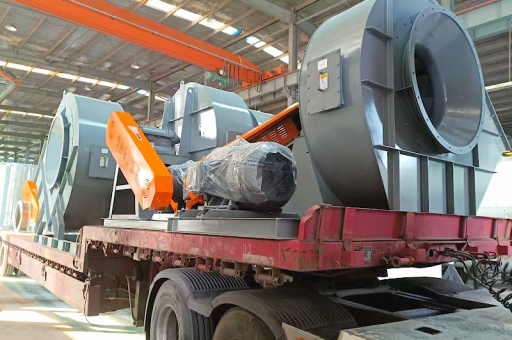
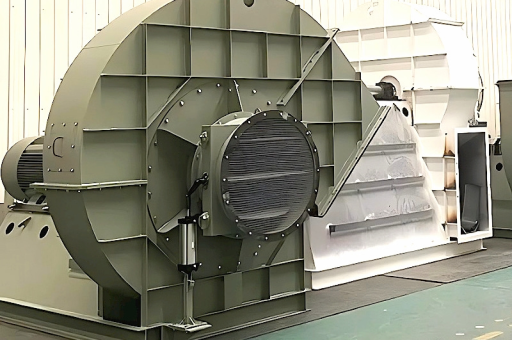
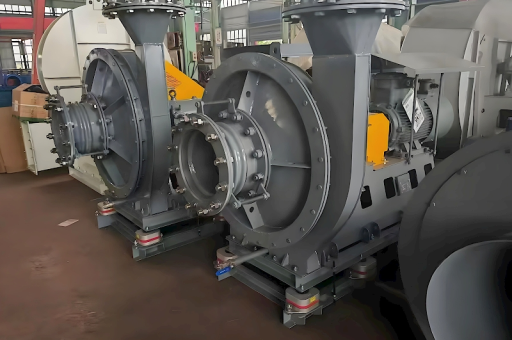
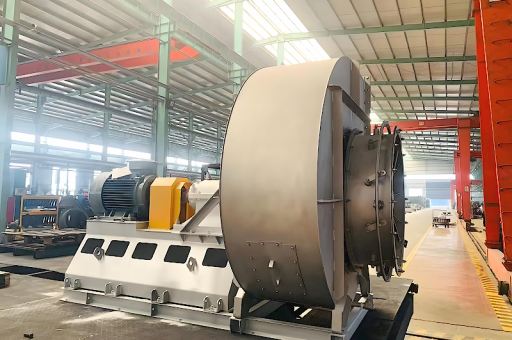
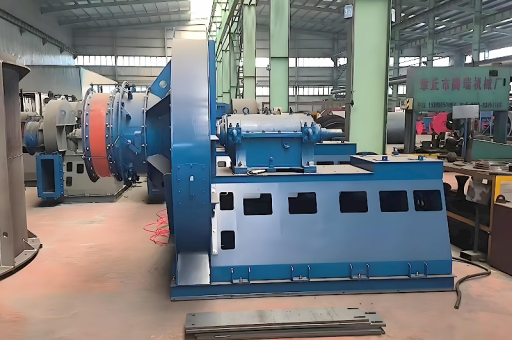
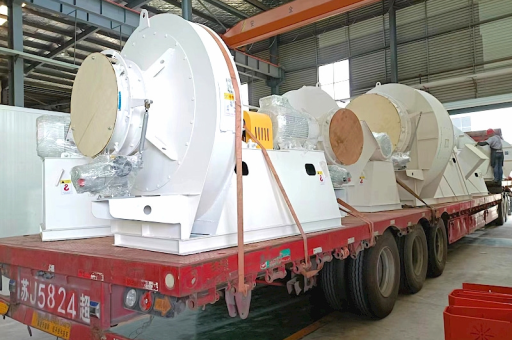
Sand Conveyor Wear-Resistant Fans: Engineering Durability for Harsh Industrial Environments
Table of Contents
- Introduction to Sand Conveyor Systems and Fan Wear Challenges
- The Science Behind Abrasive Wear in Material Handling Fans
- Key Materials and Manufacturing Technologies for Wear-Resistant Fans
- Design Principles for Optimized Airflow and Extended Service Life
- Case Studies: Real-World Performance Data from Mining and Aggregate Plants
- Maintenance Strategies to Maximize Fan Longevity
- Frequently Asked Questions (FAQ)
- Conclusion and Future Trends
Introduction to Sand Conveyor Systems and Fan Wear Challenges
In modern bulk material handling operations—ranging from sand and gravel quarries to cement plants and mineral processing facilities—sand conveyor wear-resistant fans are critical components that ensure efficient dust extraction, material transport, and process cooling. These fans operate in environments characterized by high concentrations of silica dust, sharp angular particles, and continuous abrasive impact. Without specialized wear protection, standard industrial fans can fail within weeks, leading to costly downtime, reduced productivity, and safety hazards.
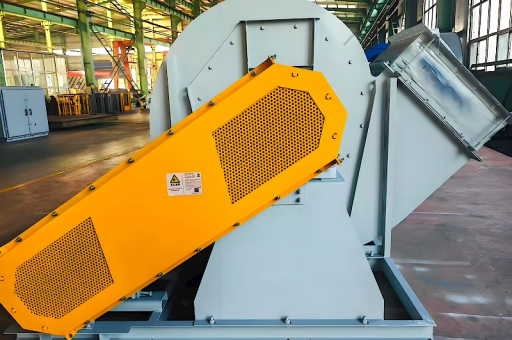
The primary function of a wear-resistant fan in a sand conveyor system is to maintain consistent airflow while resisting erosion from particle impingement. Unlike typical HVAC fans, these units must endure particle velocities exceeding 25 m/s and dust loads that can exceed 50 g/m³. The challenge lies not only in selecting the right materials but also in optimizing aerodynamic profiles to minimize wear hot spots.
Key Insight: Research from the International Journal of Mining Science and Technology indicates that abrasive wear accounts for over 70% of premature fan failures in sand-handling applications. This statistic underscores the necessity of specialized engineering solutions.
The Science Behind Abrasive Wear in Material Handling Fans
Abrasive wear in sand conveyor fans results from three primary mechanisms: impact wear, sliding abrasion, and erosion-corrosion synergy. Understanding these mechanisms is essential for designing effective countermeasures.
- Impact Wear: Occurs when large sand particles strike fan blades at high angles (30°–90°). This is most pronounced at the leading edges of blades and at turning vanes within the fan housing.
- Sliding Abrasion: Dominates when particles move tangentially across blade surfaces, particularly in the blade root and hub regions where relative velocities are lower but contact pressures are higher.
- Erosion-Corrosion: In humid environments or where conveyor moisture is present, the combination of abrasive wear and chemical attack can accelerate degradation by 3–5 times compared to dry abrasion alone.
The severity of wear is governed by particle properties (hardness, shape, size, density) and flow parameters (velocity, concentration, angle of impingement). For silica sand (Mohs hardness 7), even minor misalignments in airflow can produce localized wear rates exceeding 0.5 mm per 1,000 operating hours.
Scientific Reference: A 2023 study in Tribology International demonstrated that wear resistance in fan blades can be improved by 400% when using tungsten carbide overlays compared to standard mild steel, but only when the overlay thickness exceeds 3 mm.
Key Materials and Manufacturing Technologies for Wear-Resistant Fans
Selecting the optimal material combination is the cornerstone of sand conveyor wear-resistant fan design. The industry has converged on several proven solutions:
1. Base Materials
- AR400 / AR500 Abrasion-Resistant Steel: These quenched and tempered steels offer a Brinell hardness of 360–500 HB and are commonly used for fan housings and backplates. Their toughness prevents catastrophic fracture from occasional large-particle impacts.
- Stainless Steel Alloys (304L, 316L): Preferred when corrosion resistance is required, though they are typically less wear-resistant than AR steels. Often used in combination with protective coatings.
2. Wear Protection Methods
| Technology | Application Method | Typical Hardness | Best Use Case |
|---|---|---|---|
| Chromium Carbide Overlay | Welding deposition | 650–850 HV | Blade leading edges and turning vanes |
| Tungsten Carbide Spray Coating | HVOF (High-Velocity Oxy-Fuel) | 1,100–1,500 HV | High-velocity impingement zones |
| Ceramic Tile Liners (Al₂O₃, ZrO₂) | Epoxy bonding or mechanical fastening | 1,800–2,400 HV | Flat surfaces and housing walls |
| Basalt Lined Steel | Cast-in-place or tiled | 400–500 HB | Low-cost, moderate wear protection |
| Polyurethane Elastomers | Molded or sprayed | Shore D 45–65 | Noise reduction and light abrasion |
3. Advanced Manufacturing Techniques
- 3D Laser Cladding: Enables precise deposition of wear-resistant alloys on complex curved surfaces, reducing material waste by 40% compared to manual welding.
- Investment Casting of Wear-Resistant Blades: Produces near-net-shape blades with optimized grain structure for maximum fatigue life.
- Hybrid Composite Fans: Combine a lightweight aluminum or composite hub with steel-reinforced ceramic tips, reducing rotational inertia by 30% while maintaining wear life.
Industry Note: The global market for wear-resistant industrial fans is projected to grow at a CAGR of 5.8% through 2030, driven by increasing automation in mining and construction sectors (source: MarketsandMarkets).
Design Principles for Optimized Airflow and Extended Service Life
Beyond material selection, the aerodynamic and structural design of sand conveyor wear-resistant fans directly influences both performance and longevity.
1. Blade Geometry Optimization
- Backward-Curved Blades: Preferred for most sand-handling applications because they reduce particle impingement velocity at the blade exit by 15–20% compared to forward-curved designs.
- Variable Thickness Profiles: Blades with increased thickness at the leading edge (tapering down toward trailing edge) distribute wear more evenly.
- Radiused Leading Edges: A minimum radius of 5 mm on blade tips reduces stress concentration and decreases wear rate by up to 50%.
2. Housing and Inlet Design
- Tangential Inlet Configurations: Guide incoming sand-laden air along the housing wall, reducing direct impact on the impeller hub.
- Replaceable Wear Liners: Outfit the housing interior with bolted ceramic or chromium carbide panels that can be replaced during planned maintenance without replacing the entire fan.
- Expansion Joints: Incorporate flexible connectors to accommodate thermal expansion and vibration, preventing misalignment that accelerates wear.
3. Balancing and Vibration Control
- Dynamic Balancing to Grade G2.5 (ISO 1940): Critical for fans operating above 1,500 RPM. Unbalanced fans experience uneven wear patterns and premature bearing failure.
- Vibration Monitoring: Install accelerometers at bearing housings to detect early signs of blade erosion or material buildup.
4. Computational Fluid Dynamics (CFD) in Design
Modern fan manufacturers use CFD simulations to:
- Identify wear-prone zones before prototyping.
- Optimize blade twist angles for particle trajectory control.
- Predict erosion rates using Finnie or Oka erosion models.
- Reduce pressure drop by 10–15% compared to empirical designs.
Practical Example: A cement plant in Germany replaced standard radial fans with CFD-optimized wear-resistant fans and reported a 60% reduction in blade replacement frequency and a 12% improvement in dust extraction efficiency.
Case Studies: Real-World Performance Data from Mining and Aggregate Plants
Case Study 1: Silica Sand Processing Facility, Australia
- Challenge: Existing fans required blade replacement every 3 months due to severe erosion from 0.5 mm silica particles.
- Solution: Installation of fans with tungsten carbide HVOF coating (0.8 mm thick) on backward-curved blades and chromium carbide liners in the housing.
- Result: Fan service life extended to 18 months. Annual maintenance costs reduced by 75%.
Case Study 2: Sand and Gravel Quarry, United States
- Challenge: High humidity caused abrasive-corrosive wear, reducing fan efficiency by 20% within 6 months.
- Solution: Switched to 316L stainless steel blades with rubber-ceramic composite liners in the scroll section.
- Result: No significant efficiency loss over 24 months. The payback period was 14 months.
Case Study 3: Artificial Sand Plant (Manufactured Sand), India
- Challenge: Conveyor system produced fine dust (below 75 microns) that accumulated on fan blades, causing imbalance and vibration.
- Solution: Introduced self-cleaning blade profiles with an anti-stick polymer coating and automated reverse-pulse cleaning cycles.
- Result: Fan availability increased from 85% to 97%. Energy consumption dropped by 8% due to reduced fouling.
Maintenance Strategies to Maximize Fan Longevity
Even the best-designed sand conveyor wear-resistant fans require proactive maintenance to deliver their full potential. Here are field-tested strategies:
1. Inspection Routines
- Daily: Check vibration levels (peak velocity < 7.1 mm/s rms), bearing temperatures (< 85°C), and listen for unusual sounds.
- Weekly: Visual inspection of blade leading edges for pitting or coating delamination. Use a borescope for hard-to-reach areas.
- Monthly: Measure blade thickness at three reference points using ultrasonic gauges. Replace blades when thickness drops below 60% of original.
2. Predictive Maintenance Technologies
- Thermography: Identify hot spots in the housing that indicate material buildup or bearing failure.
- Oil Analysis: Detect wear particles in bearing lubricant to anticipate bearing degradation.
- Erosion Sensors: Embed sacrificial wear sensors in critical areas for real-time erosion rate monitoring.
3. Operational Adjustments
- Control Particle Velocity: Reduce fan speed by 10% during periods of high dust loading to lower erosion rates. This is feasible with variable frequency drives (VFDs).
- Pre-Separation: Use cyclones or settling chambers before the fan to remove the coarsest particles (above 500 microns) from the airflow. This alone can double fan life.
- Avoid Recirculation: Ensure inlet and outlet ducts are properly sized to prevent turbulent backflow that accelerates wear.
4. Refurbishment vs. Replacement
- When to Refurbish: If coating damage is limited to less than 30% of the surface area, re-HVOF coating is cost-effective (typically 50% of new fan cost).
- When to Replace: If substrate material shows cracking or if wear is non-uniform (indicating design flaw), replacement with an upgraded design is recommended.
Frequently Asked Questions (FAQ)
Q1: What is the typical lifespan of a sand conveyor wear-resistant fan?
A: With proper design and maintenance, a high-quality wear-resistant fan can last 2–5 years in continuous operation. Standard fans might fail within 3–12 months in the same environment.
Q2: Are ceramic-lined fans better than steel ones?
A: Ceramic liners offer superior wear resistance (up to 5x longer life) but are more brittle and expensive. They are ideal for flat surfaces where impact loading is low. For blades that experience impact, a combination of steel substrate with overlay coating is more robust.
Q3: Can I retrofit my existing fan with wear protection?
A: Yes, many fans can be retrofitted with weld overlays, spray coatings, or bolt-on ceramic tiles. However, this is usually cost-effective only for fans with a value above $5,000. Always consult with a specialist to ensure the retrofit does not imbalance the rotor.
Q4: How does particle moisture affect fan wear?
A: Moisture generally increases wear rates because wet particles tend to adhere to surfaces, causing both erosion and corrosion. Additionally, the stickiness reduces fan efficiency by 5–15%. Dehumidification or pre-drying of conveyed material is recommended when moisture exceeds 5%.
Q5: What is the most cost-effective wear protection for small-scale operations?
A: For fans under 50 kW, applying a 2–3 mm thick polyurethane coating on the impeller and housing is economical and can extend life by 2–3 times. For larger fans, chromium carbide overlay on critical zones offers the best value.
Q6: Does fan speed affect wear rate?
A: Yes, wear rate increases with the cube of particle velocity. Reducing fan speed by 20% can reduce wear by approximately 50% (based on the velocity exponent of 3 for erosion). This is why VFDs are highly recommended for sand conveyor fans.
Conclusion and Future Trends
The engineering of sand conveyor wear-resistant fans has evolved from a trial-and-error approach to a precise science leveraging advanced materials, computational modeling, and predictive maintenance. The key to maximizing fan longevity lies in a holistic strategy: selecting appropriate base metals and coatings, optimizing aerodynamic profiles for uniform wear distribution, and implementing rigorous maintenance protocols tailored to the specific operating conditions.
Looking ahead, several trends are shaping the future of this technology:
- Smart Fans with IoT Sensors: Integrating real-time wear monitoring, vibration analysis, and software-driven speed optimization will enable truly condition-based maintenance.
- Additive Manufacturing: 3D printing of complex wear-resistant blade geometries with gradient materials (hard outer layer, tough inner layer) will reduce lead times and improve performance.
- Self-Healing Coatings: Research is underway on polymer-based coatings that can micro-encapsulate healing agents to repair minor wear damage autonomously.
For facility managers and engineers responsible for bulk material handling systems, investing in high-quality wear-resistant fans is not an expense—it is a strategic decision that reduces total cost of ownership, enhances operational reliability, and improves workplace safety. As the global demand for sand and aggregates continues to rise (projected 4.5 billion tons annually by 2030), the role of these specialized fans will only become more critical.
Final Recommendation: Select a fan manufacturer that offers application-specific engineering analysis, including CFD modeling and material testing, rather than relying on off-the-shelf solutions. The upfront investment in a customized design will pay dividends through years of reliable service.