This article's table of contents introduction:
- What are High-Temperature Wear-Resistant Fans?
- Key Design & Construction Features
- Common Applications
- Key Performance Considerations (When Specifying a Fan)
- Advantages & Disadvantages
- Leading Manufacturers (Examples)
- Summary Checklist for Selection
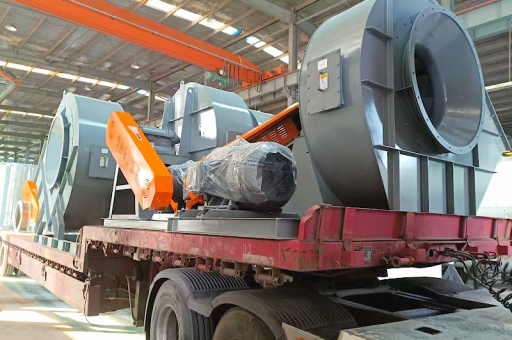
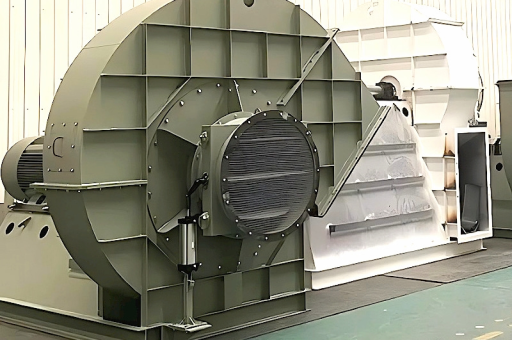
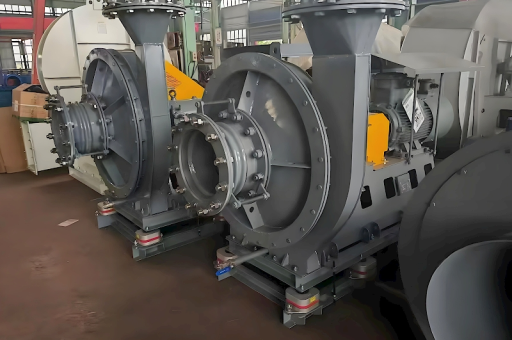
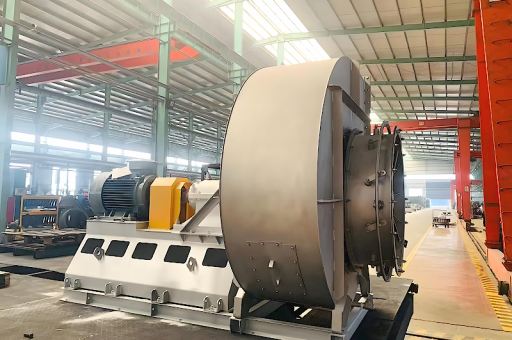
Here is a comprehensive overview of High-Temperature Wear-Resistant Fans, covering what they are, their key design features, common applications, and the materials used in their construction.
What are High-Temperature Wear-Resistant Fans?
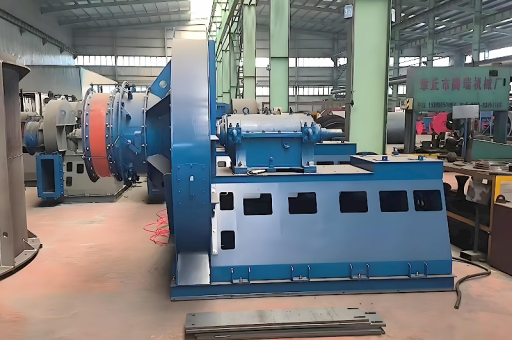
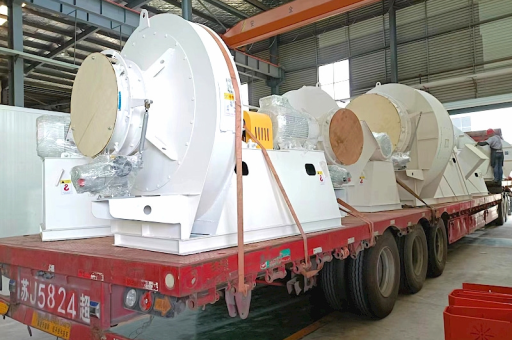
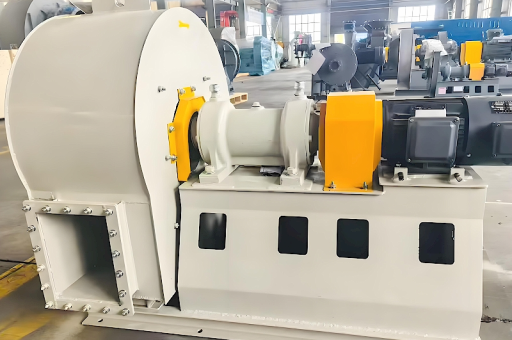
These are specialized industrial fans (centrifugal or axial) engineered to handle gas streams that are both hot (typically 200°C to over 1000°C) and abrasive (containing particulate matter like dust, ash, metal shavings, or mineral fines).
Their primary challenge is surviving two simultaneous enemies: thermal stress (which weakens materials) and erosive wear (which grinds them away). Failure in standard fans is rapid under these conditions.
Key Design & Construction Features
To survive this harsh environment, these fans incorporate specific design elements:
Material Selection (The Most Critical Factor)
- Impellers:
- High-Temperature Steels: For temperatures up to ~400-600°C (e.g., 310S Stainless Steel, 253MA).
- Superalloys (Inconel, Hastelloy): For temperatures 600°C – 900°C. These retain strength and resist oxidation.
- Coated Blades: Even wear-resistant alloys are coated. Common coatings include:
- Hardfacing/Stellite: Cobalt-chromium-tungsten alloys welded onto leading edges.
- Ceramic Coatings (e.g., Zirconia, Alumina): Applied via plasma spray or tiles. Excellent for high-temperature abrasion.
- Tungsten Carbide: Applied via HVOF (High-Velocity Oxygen Fuel) spraying; extremely hard, but temperature limits depend on the binder.
- Casing/Scroll:
- Heavy-gauge steel (e.g., 1/4" or thicker).
- Often lined with replaceable wear plates made from AR400/500 steel, ceramic tiles, or dual-hard alloys.
Specialized Impeller Design
- Radial Blade Wheels: Most common for high-wear applications. Straight or backward-inclined radial blades are stronger and less prone to particle accumulation than airfoil blades.
- Thick Blade Profiles: Blades are made thicker than standard to allow for sacrificial material loss.
- Reinforced Attachment: Blades are often welded to heavy-duty backplates and shrouds using full-penetration welds to handle vibration and stress.
- Sacrificial Leading Edges: Strips of hardfacing alloy are welded onto the leading edge of blades, which erode first while protecting the base material.
Shaft & Bearing Configuration
- Shaft Cooling: A critical feature. The shaft that extends from the hot gas stream to the bearings must be cooled to prevent heat from reaching and destroying the bearings.
- Methods: Air-cooled fins, water-cooled jacketed shafts, or a "quill" shaft design (a separate shaft transmits power to a cooling plate).
- External Bearings: Bearings are always mounted outside the fan housing (pedestal bearings), far from the heat source.
- Bearing Cooling: Bearings themselves often have water-cooled housings or forced-air cooling.
Thermal Expansion Management
- Expansion Joints: Flexible connections (e.g., Inconel bellows) between the ductwork and the fan inlet/outlet to absorb thermal expansion of the system.
- Housing Support: The fan housing is mounted with sliding bases or expansion legs to allow the structure to move as it heats up without distorting the shaft alignment.
Common Applications
These fans are indispensable in heavy industries:
| Industry | Specific Application | Typical Conditions |
|---|---|---|
| Cement | Kiln induced draft (ID fan), raw mill exhaust, clinker cooler | 350-400°C, high dust load (CaO, SiO2, clinker) |
| Steel & Iron | Sinter plant exhaust, blast furnace gas, converter off-gas, EAF fume extraction | 200-400°C (up to 1000°C for emergency bypass), metallic dust & slag |
| Power Generation (Coal) | Boiler ID fans (after electrostatic precipitators), boiler FD fans (pre-combustion), pulverizer exhaust | 150-400°C, fly ash (very abrasive, fine particles) |
| Waste-to-Energy (Incineration) | Flue gas treatment system fans | 180-250°C (after quench), acidic gases & particulates. Often require corrosion resistance too. |
| Chemical & Petrochemical | Fluidized catalytic cracking (FCC) regenerator, calciner exhaust | 500-800°C, catalyst fines, abrasive dust |
| Mining & Minerals | Dryers, rotary kilns, calciners (for gypsum, lime, etc.) | 200-600°C, mineral dust |
Key Performance Considerations (When Specifying a Fan)
When selecting or designing a high-temperature wear-resistant fan, you must define:
- Gas Temperature: Maximum operating, normal operating, and potential upset (spike) temperatures.
- Gas Composition: Is it oxidizing or reducing? Are there corrosive elements (SOx, Cl, F)? This dictates material choice (e.g., Inconel vs. 310S).
- Particulate Load: Concentration (gr/Nm3), particle size distribution, shape (angular vs. round), and hardness (Mohs scale). Angular, hard particles (like SiO2) are much more erosive.
- Required Life: Is a 2-year life acceptable, or is 10+ years of operation without major overhaul expected? This dictates coating thickness and maintenance schedule.
- Critical Speed Margin: The impeller must be rigid enough to avoid resonance at operating speed, especially at high temperatures where metal stiffness decreases.
Advantages & Disadvantages
Advantages:
- Extended Lifespan: Lasts 5-10x longer than standard fans in the same application.
- Reduced Downtime: Fewer emergency failures due to wear or thermal cracking.
- Higher Efficiency: Radial blades can maintain high efficiency even with some erosion.
- Process Reliability: Maintains critical draft/pressure requirements for stable plant operation.
Disadvantages:
- High Initial Cost: Significantly more expensive (2-5x) than a standard fan of comparable airflow.
- Heavier: Requires stronger foundations and support structures.
- Higher Replacement Part Cost: Replacing a worn ceramic-tiled impeller is expensive.
- Inertia: Heavier impellers have higher rotational inertia, requiring larger motors and longer start-up times.
Leading Manufacturers (Examples)
- Howden (UK/Global)
- TLT-Turbo (Germany/Global)
- New York Blower (USA)
- Robinson Fans (USA)
- FLAKT Woods (Sweden/Global)
- Greenheck (USA - lighter duty but has some high-temp options)
- Centri-Spray (USA - specialized in foundry/steel wear-resistant)
Summary Checklist for Selection
- Define Tmax (including upsets).
- Define Dust Type, % Load, & Hardness.
- Choose Impeller Type (Radial, Paddle-wheel, or Backward-Inclined).
- Select Core Material (310S, Inconel 625, etc.).
- Select Coating/Protection (Hardfacing, Ceramic Tiles, HVOF WC).
- Design Shaft Cooling (Air fins or water jacket).
- Confirm Thermal Expansion (Sliding base, expansion joints).
- Arrange Bearings & Lube (Pedestal, external, water-cooled if needed).
In short: A high-temperature wear-resistant fan is a purpose-built, heavy-duty machine that uses expensive alloys, sacrificial coatings, and robust mechanical designs to survive where standard fans quickly fail. Its selection is driven by the specific thermochemical and erosive severity of the process gas stream.