This article's table of contents introduction:
- Introduction: Why Wear Resistance Matters in Furnace and Kiln Operations
- Understanding the Operating Environment: High Temperatures, Abrasive Dust, and Corrosive Gases
- Key Design Features of Wear-Resistant Fans
- Common Failures and Maintenance Strategies for Furnace and Kiln Fans
- Material Innovations: From Hardox to Ceramic Coatings
- Energy Efficiency and Performance Optimization
- Frequently Asked Questions (FAQs)
- Conclusion: Future Trends in Wear-Resistant Fan Technology
** The Critical Role of Furnace and Kiln Wear-Resistant Fans in High-Temperature Industrial Processes
Table of Contents
- Introduction: Why Wear Resistance Matters in Furnace and Kiln Operations
- Understanding the Operating Environment: High Temperatures, Abrasive Dust, and Corrosive Gases
- Key Design Features of Wear-Resistant Fans
- Common Failures and Maintenance Strategies for Furnace and Kiln Fans
- Material Innovations: From Hardox to Ceramic Coatings
- Energy Efficiency and Performance Optimization
- Frequently Asked Questions (FAQs)
- Conclusion: Future Trends in Wear-Resistant Fan Technology
Introduction: Why Wear Resistance Matters in Furnace and Kiln Operations
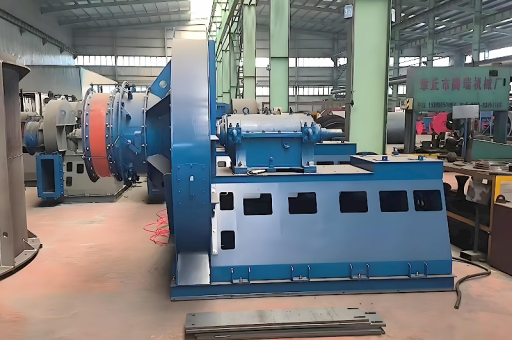
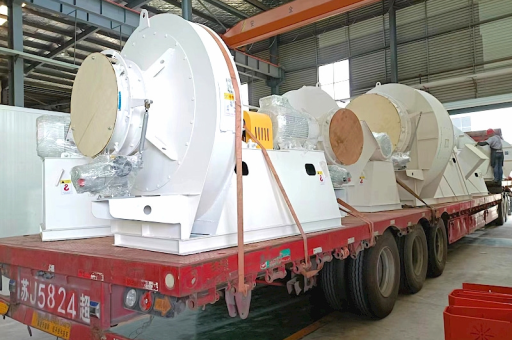
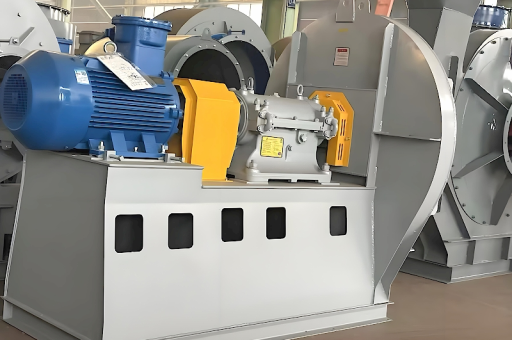
In industries such as cement, steel, glass, and chemical processing, furnace and kiln systems are the heart of production. These systems rely on robust ventilation and material handling equipment, most notably furnace and kiln wear-resistant fans. These fans are not ordinary industrial fans; they are engineered to withstand extreme heat, abrasive particulate matter, and corrosive flue gases. Without proper wear protection, fan blades and casings can erode rapidly, leading to unplanned downtime, reduced efficiency, and costly repairs.
A furnace or kiln fan typically handles air or gas at temperatures ranging from 200°C to over 1000°C, often laden with dust, clinker particles, or chemical vapors. The challenge is that standard carbon steel fans fail within weeks under such conditions. Therefore, the design and material selection for these fans must prioritize long-term wear resistance to ensure continuous operation and low total cost of ownership.
This article provides a comprehensive, SEO-optimized guide to furnace and kiln wear-resistant fans, covering design principles, material choices, failure modes, and best practices for maintenance. It is intended for plant engineers, maintenance managers, and procurement specialists who seek reliable, high-performance solutions for their thermal processes.
Understanding the Operating Environment: High Temperatures, Abrasive Dust, and Corrosive Gases
To appreciate the engineering behind wear-resistant fans, one must first understand the harsh environment inside a furnace or kiln.
- Thermal Stress: Fans located near the kiln outlet or in the preheater tower experience gas temperatures that fluctuate. Thermal expansion can cause blade distortion or cracking if the fan material lacks thermal stability.
- Abrasive Particulates: In cement kilns, for example, raw meal, clinker dust, and fly ash are carried by the gas stream. These particles impact fan blades at high velocity, causing erosive wear. The wear rate depends on particle size, shape, hardness, and impact angle.
- Chemical Corrosion: Flue gases often contain sulfur oxides (SOx), nitrogen oxides (NOx), chlorine compounds, and moisture. At elevated temperatures, these form acidic condensates that attack metal surfaces, leading to corrosion fatigue.
- Mechanical Vibration: Imbalance due to uneven wear or deposit buildup on blades can cause severe vibration, damaging bearings, shafts, and motor mounts.
A typical case involves a cement plant’s kiln induced draft (ID) fan. This fan must handle gas at 350°C with a dust load of up to 50 g/Nm³. Without wear protection, the fan blades lose thickness by 3-5 mm per month, requiring replacement every 6 months. A properly designed wear-resistant fan can extend service life to 2-3 years.
Key Design Features of Wear-Resistant Fans
Modern furnace and kiln wear-resistant fans incorporate several design improvements that set them apart from standard industrial fans:
- Thickened Blade Profiles: Blades are manufactured with extra thickness at leading edges and pressure sides, often using abrasion-resistant steel like AR400 or AR500. In extreme cases, blade thickness can reach 12-16 mm.
- Hardfacing and Cladding: Tungsten carbide or chromium carbide overlays are applied to blade surfaces via welding. This creates a hard, wear-resistant layer that can withstand particle impact.
- Ceramic Tile Linings: For fan casings and inlet cones, ceramic tiles (e.g., alumina or zirconia) are bonded to the metal substrate. Ceramics offer exceptional hardness (HV 1200-1800) and chemical inertness, resisting both erosion and corrosion.
- Aerodynamic Optimization: Computational fluid dynamics (CFD) simulations help design blade shapes that minimize particle impingement angles and reduce local turbulence. Straight radial blades, for instance, are less prone to erosion than backward-curved blades.
- Thermal Expansion Compensation: Fans include expansion joints, flexible couplings, or sliding bearing assemblies to accommodate thermal growth without misalignment.
- Balancing and Vibration Monitoring: Precision balancing (ISO 1940 G2.5 or better) and integrated vibration sensors are standard for early detection of wear-induced imbalance.
These features collectively ensure that the fan can operate for 20,000 to 50,000 hours before major overhaul, depending on operating conditions.
Common Failures and Maintenance Strategies for Furnace and Kiln Fans
Even the best wear-resistant fans are not immortal. Common failure modes include:
- Blade Thinning and Perforation: Caused by high-velocity particle erosion, particularly on the suction side of blades. This reduces fan efficiency and can lead to catastrophic blade release.
- Bearing Seizure: Due to heat transfer from the shaft or inadequate lubrication, especially in fans handling gas over 500°C.
- Casing Erosion: The spiral casing and outlet duct wear out, creating air leaks that reduce pressure and flow.
- Corrosion Cracking: In environments with high chlorine or sulfur content, stress corrosion cracking can occur near weld joints.
Maintenance strategies revolve around condition-based monitoring:
- Regular Thickness Measurements: Use ultrasonic thickness gauges on blades and casing at 3-month intervals.
- Dynamic Balancing: Perform on-site balancing when vibration exceeds 4.5 mm/s RMS (ISO 10816-3).
- Wear Pad Replacement: Many fans have replaceable wear plates or liners at high-wear zones. Replace them before they breach the base metal.
- Inlet Vane Inspection: Adjustable inlet guide vanes often wear faster than the main impeller. Check for binding or excessive clearance.
- Lubrication for High Temperatures: Use synthetic greases with a high dropping point (above 260°C) for bearings.
Proactive maintenance can extend fan life by 30-50% and reduce emergency shutdowns.
Material Innovations: From Hardox to Ceramic Coatings
The evolution of materials science has greatly improved fan durability. Key innovations include:
- Hardox Steel: A high-strength, abrasion-resistant steel with a hardness of 400-500 HBW. It is commonly used for impellers and casings in moderate-duty applications.
- Chromium Carbide Overlay (CCO): A weld-deposited layer of chromium carbide particles in a metal matrix. CCO offers hardness up to 65 HRC and is highly resistant to sliding abrasion.
- Alumina Ceramic Tiles (Al₂O₃): With a hardness of 9 on Mohs scale, these tiles are nearly impervious to erosion from silica-based dust. They are also resistant to most acids and alkalis, making them ideal for corrosive environments.
- Zirconia Ceramics: For even higher temperature resistance (up to 1000°C), zirconia tiles are used, though they are more expensive.
- Polyurethane Coatings: For lower-temperature applications (<120°C), elastomeric coatings provide a flexible, erosion-resistant surface that absorbs particle impact.
A notable real-world example is a wind turbine blade coating adapted for fan casings. The same polyurethane technology that protects turbine blades from rain erosion has been successfully applied to fan casings handling abrasive dust at moderate temperatures, reducing wear by 80% compared to uncoated steel.
Energy Efficiency and Performance Optimization
Wear-resistant fans are often larger and heavier than standard fans, which can increase energy consumption. However, modern design addresses this through:
- High-Efficiency Blade Profiles: Aerodynamic optimization reduces pressure drop across the fan, lowering power consumption by 5-15%.
- Variable Frequency Drives (VFDs): Modulating fan speed to match process demand saves significant energy compared to throttle control.
- Low-Friction Bearings: Spherical roller bearings with optimized sealing reduce frictional losses.
- Lightweight Wear Protection: Ceramic tiles are lighter than thick steel plates, reducing rotating mass and bearing load.
For example, a 500 kW kiln ID fan with a ceramic-lined impeller can operate at 82% static efficiency, compared to 74% for a conventional steel fan. Over a year of continuous operation, this translates to approximately 350 MWh of electricity savings, equivalent to reducing CO₂ emissions by 175 metric tons (based on typical grid emission factors).
Frequently Asked Questions (FAQs)
Q1: What is the typical lifespan of a furnace and kiln wear-resistant fan?
A: Depending on operating conditions, a well-maintained wear-resistant fan can last 2 to 5 years for the impeller and 10+ years for the casing with periodic liner replacement. In extremely abrasive conditions, blade replacement may be needed every 12-18 months.
Q2: Can I retrofit wear protection onto my existing fan?
A: Yes. Many suppliers offer retrofit solutions, including ceramic tile lining for casings and hardfacing for blades. However, the fan’s shaft and bearing capacity must be checked to accommodate the added weight.
Q3: How do I choose between ceramic tiles and hardfacing?
A: Choose ceramic tiles if erosion is severe (>10 mm/year) and temperature is below 600°C. Hardfacing is better for high-temperature applications (>600°C) or where flexibility in repair is needed.
Q4: Are these fans suitable for wind turbine cooling systems?
A: While not directly applicable, the wear-resistant materials and aerodynamic designs used in furnace fans have influenced cooling fan designs for large equipment such as wind turbine generators. The same principles apply to handling dusty air in harsh environments.
Q5: What causes fan imbalance in kiln applications?
A: The most common cause is asymmetric dust buildup on blades. Uneven erosion or deposition creates a mass imbalance. Regular cleaning and balancing every 6 months are recommended.
Conclusion: Future Trends in Wear-Resistant Fan Technology
The demand for furnace and kiln wear-resistant fans will continue to grow as industries push for higher production rates and stricter emission controls. Future trends include:
- Smart Monitoring: Integration of IoT sensors for real-time wear tracking and predictive maintenance using machine learning algorithms.
- Additive Manufacturing: 3D-printed impellers using cobalt-chrome alloys or ceramic-metal composites, enabling complex aerodynamic shapes with localized reinforcement.
- Biomimetic Surfaces: Inspired by the abalone shell or shark skin, researchers are developing textured coatings that reduce particle adhesion and erosion.
- Hybrid Cooling Systems: Combining gas cooling with fan design to reduce thermal stress and allow use of lighter materials.
Investing in high-quality wear-resistant fans is not just about preventing breakdowns; it is about achieving stable production, lower energy costs, and improved environmental performance. For any facility operating furnaces, kilns, or similar high-temperature systems, these fans are an indispensable component of a resilient industrial infrastructure.
If you have further questions or need specific recommendations for your application, consult a fan engineering specialist with experience in your industry domain.