This article's table of contents introduction:
- What is it?
- Primary Functions
- Types of Fans Used (Depending on Position)
- Key Engineering Challenges (Very Important)
- Location in the System
- Common Problems & Maintenance
- Summary
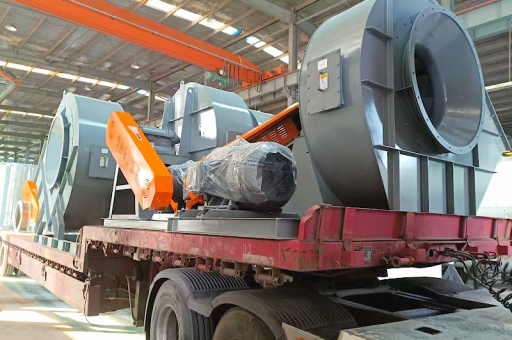
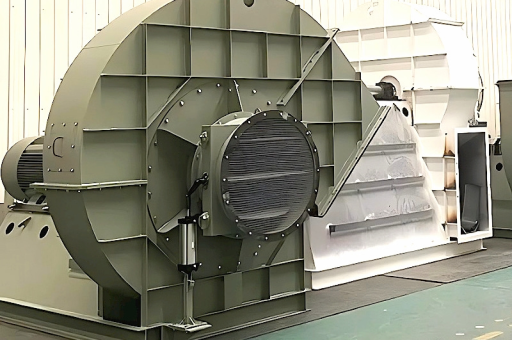
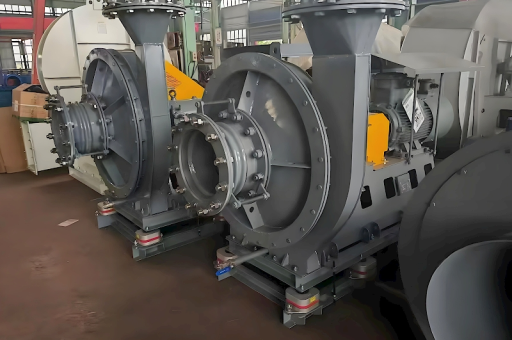
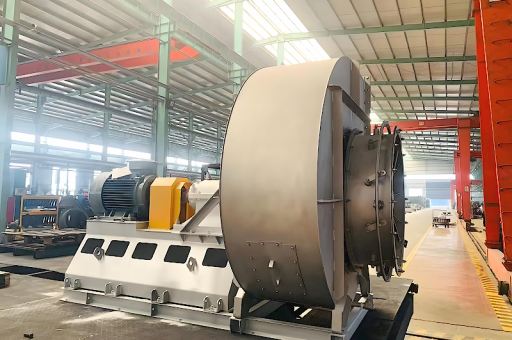
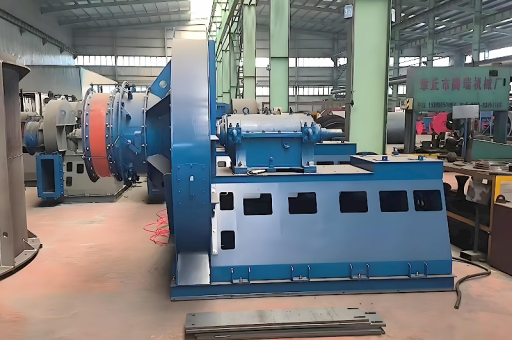
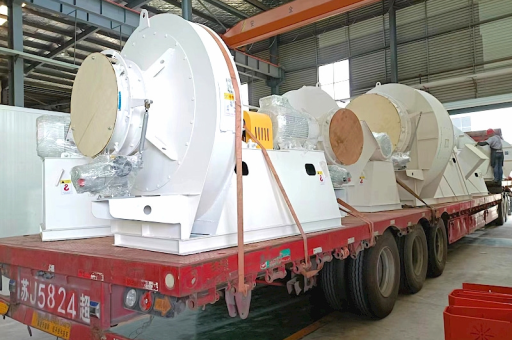
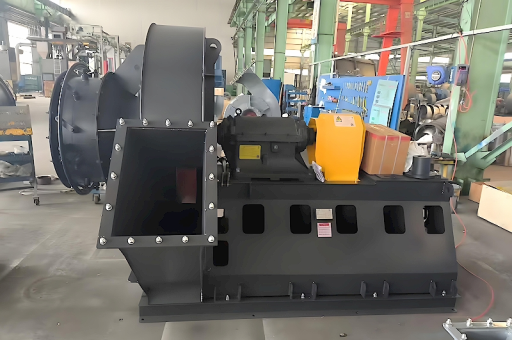
This is a very specific industrial term. A waste heat boiler fan (often called an ID fan or forced draft fan in this context) is a critical component in a system that captures exhaust heat from industrial processes (like gas turbines, incinerators, or cement kilns) to generate steam.
Here is a breakdown of what it is, its purpose, and the key engineering considerations.
What is it?
It is a large, industrial-grade fan that moves hot, often dirty, exhaust gases through the waste heat recovery system and into the waste heat boiler (WHB) .
Unlike a standard boiler fan that burns fuel to create heat, this fan deals with the byproduct heat from another process. Its job is to ensure the correct gas flow and pressure to maximize heat transfer without damaging the equipment or causing downtime.
Primary Functions
- Draft Control: It creates a negative pressure (suction) inside the boiler and ductwork, ensuring that hot exhaust gases are safely drawn into the boiler and out to the stack (chimney).
- Heat Transfer Optimization: It maintains a consistent gas flow rate over the boiler's heat exchanger tubes. This optimizes the transfer of thermal energy from the gas to the water/steam.
- Back Pressure Management: It prevents excessive pressure from building up in the upstream process (e.g., a gas turbine), which would cause the turbine to stall or operate inefficiently.
- Safety: It prevents hot, toxic gases from leaking into the plant environment through positive pressure leaks.
Types of Fans Used (Depending on Position)
- Forced Draft (FD) Fan: Pushes air into the system (e.g., into a burner or oxidizer before the boiler). Less common in pure waste heat recovery.
- Induced Draft (ID) Fan: This is the most common type. It is located after the boiler, pulling the exhaust gases through the system and creating a slight vacuum. This is essential for safety and efficiency.
- Recirculation Fan: Used to mix hot exhaust gases with cooler air to control inlet temperature into the boiler (e.g., to prevent overheating of the tubes).
Key Engineering Challenges (Very Important)
These fans operate in a harsh environment, which leads to specific design requirements:
- High Temperature: Exhaust gases can range from 200°C to 600°C (400°F - 1100°F) . The fan wheel (impeller) and shaft must be made of alloy steel (like Hastelloy or stainless steel) to maintain strength and resist creep.
- Abrasion (Wear): Hot gases often contain fly ash, soot, or unburned fuel particles. This erodes the fan blades.
- Solution: Wear-resistant coatings (e.g., ceramic tiles), hard-faced blades, or sacrificial liners.
- Corrosion: If the gas temperature drops below the acid dew point (especially for sulfur-bearing fuels), sulfuric acid forms, corroding the fan.
- Solution: The fan is often run at a temperature safely above the dew point, or constructed from corrosion-resistant alloys (C276, etc.).
- Vibration and Balance: The high temperature causes thermal expansion, which can throw the fan out of balance. Unbalance can lead to catastrophic bearing or shaft failure.
- Solution: Heavy-duty, water-cooled bearings, flexible expansion joints on the ductwork, and robust vibration monitoring sensors.
- Variable Speed (VFD): Since the upstream process load changes, the fan speed must be variable (via a VFD or hydraulic coupling) to match the gas flow. A fixed-speed fan with a damper is very inefficient and causes pressure loss.
Location in the System
- Heat Source: Gas Turbine, Kiln, Furnace, Incinerator.
- Ductwork: Connecting the source to the boiler.
- Waste Heat Boiler (WHB): Contains water-filled tubes.
- Ductwork (Post-Boiler): Gas is now cooler (e.g., 150-200°C).
- ID Fan (The Boiler Fan): Pulls the gas through.
- Stack/Chimney: Exhausts cleaned gas to atmosphere.
Common Problems & Maintenance
- Fan Stall/Surge: Occurs if the damper is too restrictive or the VFD is set incorrectly, causing the fan to operate outside its stable range. This creates violent pulsations.
- Bearing Failure: The #1 cause of unscheduled downtime. Heat conducts down the shaft to the bearings. Cooling systems (water or forced air) are critical.
- Impeller Fatigue: Cracks in the blades or backplate due to thermal cycling (heating up and cooling down) or stress from debris.
- Erosion: Gradual loss of material on the leading edge of blades, reducing efficiency and eventually causing imbalance.
Summary
A waste heat boiler fan is not just an air mover; it is a reliability-critical asset. It must be robust enough to handle high temperatures, dirty gas, and variable loads. Failure of this single fan often forces an entire industrial plant (like a cement plant, steel mill, or combined-cycle power plant) to shut down, as the heat source has nowhere to vent its exhaust gas. Therefore, it is often designed with redundancy (two fans in parallel) or extremely high safety margins.