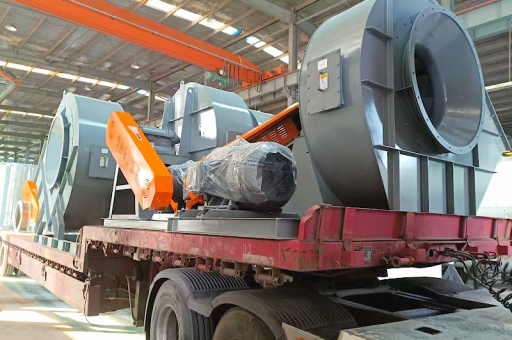
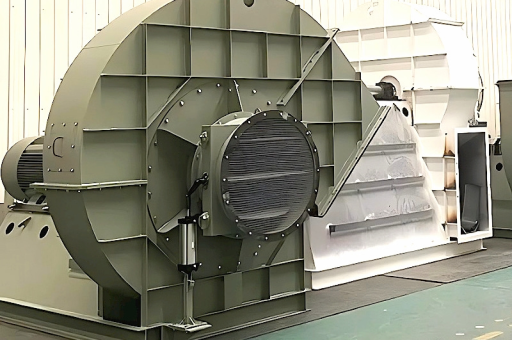
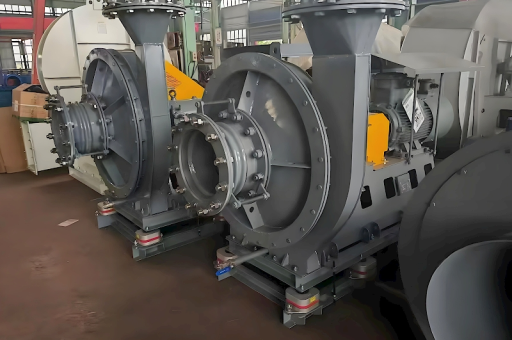
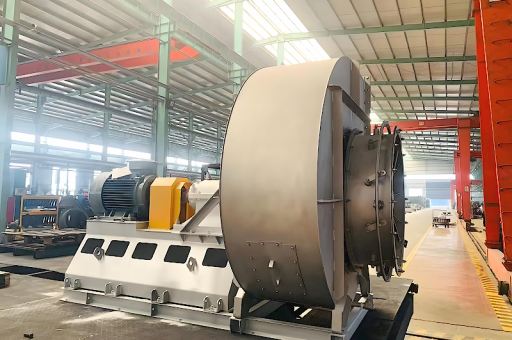
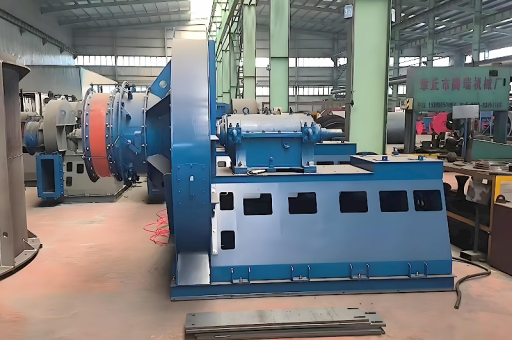
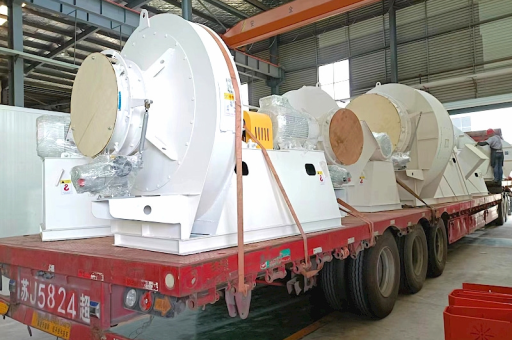
This article's table of contents introduction:
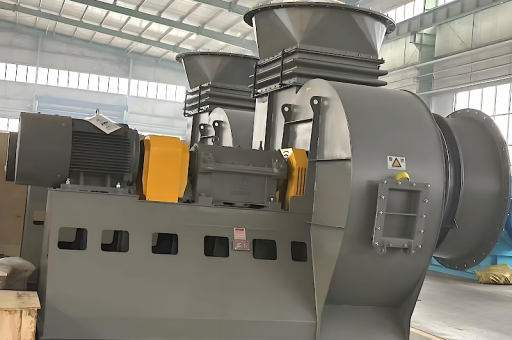
- What is the Purpose of the Primary Air Fan?
- How Does it Work in a System?
- Types of Fans Used
- Key Parameters
- Relationship with Other Fans in a Boiler
- Common Problems & Maintenance
- In Summary
This is a great question, as the Primary Air (PA) Fan is arguably one of the most critical components in a coal-fired boiler system. It is also used in some biomass and industrial boilers.
Let's break down exactly what it is, why it's needed, and how it works.
What is the Purpose of the Primary Air Fan?
The Primary Air (PA) Fan has two main, non-negotiable jobs:
- Drying the Fuel: Coal (or biomass) as it comes from the mill contains moisture. The PA fan blows hot air into the pulverizer (mill) to dry the coal. This is essential because wet coal is difficult to grind and impossible to burn efficiently.
- Transporting the Fuel: Once the coal is ground into a fine powder, the PA fan provides the necessary air velocity to carry that powder from the mill through the coal pipes and into the furnace burners.
Think of it this way: The PA fan is the "engine" that drives the fuel delivery system. Without it, the coal dust would just sit in the mill and never reach the fire.
How Does it Work in a System?
Here is the typical flow path:
- Air Intake: The fan pulls air from the atmosphere (usually from the boiler house or a dedicated intake).
- Heating (via Air Heater): This cold air passes through a heat exchanger called the Air Preheater (APH) . The APH recovers heat from the boiler's hot exhaust gas (flue gas). The air can be heated to 250°C - 350°C.
- The Fan: The hot, high-pressure air is now discharged by the PA fan.
- The Mill (Pulverizer): The hot air enters the coal mill. It mixes with the raw coal, dries it, and the grinding elements crush it into a fine dust.
- Classification & Transport: Inside the mill, a classifier separates the fine particles from the coarse ones. The fine dust is picked up by the hot primary air stream and carried out of the mill.
- To the Burner: The mixture of air + coal dust (called "primary air/fuel mixture") is piped directly into the boiler furnace through the coal burners.
Types of Fans Used
The most common type of fan for this application is:
- Centrifugal Fan (Radial or Backward-Inclined): Almost universally used.
- Backward-curved/Inclined blades: More efficient, used for higher pressure requirements.
- Radial blades: Very rugged, can handle some dust carry-over, but less efficient.
- Axial Fans: Rarely used for PA fans because they cannot generate the high pressure required. Axial fans are better for high volume, low pressure (like a Forced Draft fan).
Key Parameters
- Pressure: PA fans are High Pressure fans. They must overcome the resistance of the coal mill, the coal pipes, and the burner nozzles. Pressure is typically in the range of 800 - 1500 mmWC (millimeters of water column) .
- Flow: The flow is determined by the amount of coal being fired. It's usually a smaller volume than the Forced Draft (FD) fan but a much higher pressure.
- Temperature: The air is hot. This means the fan's bearings, shaft, and housing must be designed for thermal expansion and high-temperature lubrication.
Relationship with Other Fans in a Boiler
It's important to distinguish the PA fan from other fans:
| Fan | Main Job | Pressure | Medium |
|---|---|---|---|
| Primary Air (PA) Fan | Dry & Transport Coal | High | Hot Air to the Mill |
| Forced Draft (FD) Fan | Supply Air for Combustion | Medium | Cold Air to the Air Heater |
| Induced Draft (ID) Fan | Pull Flue Gas out of Boiler | Low (Negative) | Hot Flue Gas to the Stack |
Common Problems & Maintenance
- Erosion: The air from the PA fan can carry fine ash or coal dust. This erodes the fan blades and the volute casing. Hard-facing on blades is common.
- Vibration: Imbalance due to uneven erosion or dust buildup on the fan rotor is a frequent cause of high vibration.
- Bearing Failures: High operating temperatures put stress on the bearings. Proper lubrication and cooling (sometimes water-cooled) are critical.
- Suction Blockage: A blocked air intake filter or a collapsed duct can starve the fan, leading to a "stall" condition and reduced coal flow.
In Summary
The Primary Air Fan is the high-pressure workhorse of a coal-fired boiler. Its sole purpose is to provide the hot, forceful air stream needed to dry the coal, grind it into powder, and then shoot that powder into the furnace. If the PA fan trips, the boiler must immediately trip because the fuel supply system is dead.