This article's table of contents introduction:
- What is a Boiler Sealing Fan?
- The Core Problem: Preventing Explosions and Leaks
- How It Works (The Simple Physics)
- Why is it so Important?
- Key Characteristics of a Sealing Fan
- Common Issues with Sealing Fans
- In Summary: The "One-Way Valve" Analogy
This is a specialized term related primarily to thermal power plants (coal, biomass, or waste-to-energy) and some industrial boilers.
Here is a detailed explanation of what a Boiler Sealing Fan (often referred to as a Seal Air Fan) is, its purpose, and how it works.
What is a Boiler Sealing Fan?
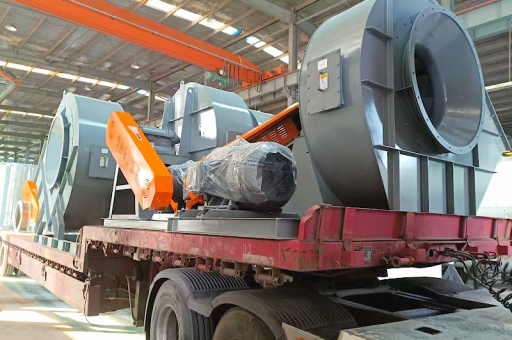
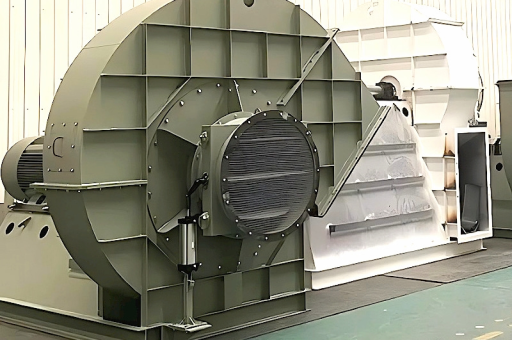
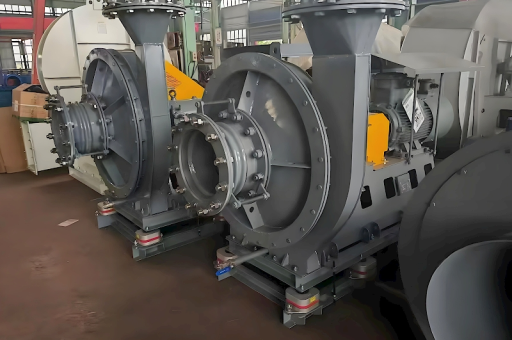
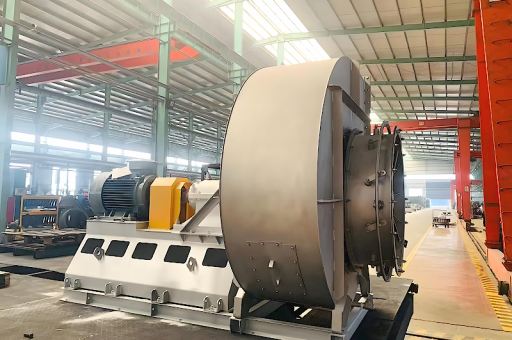
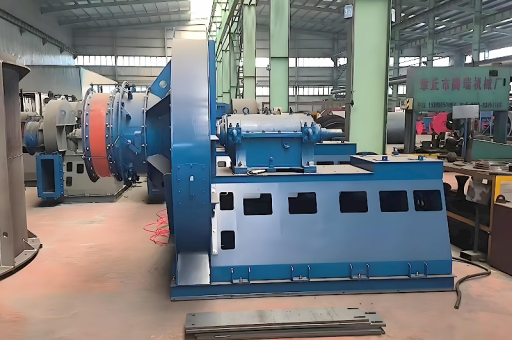
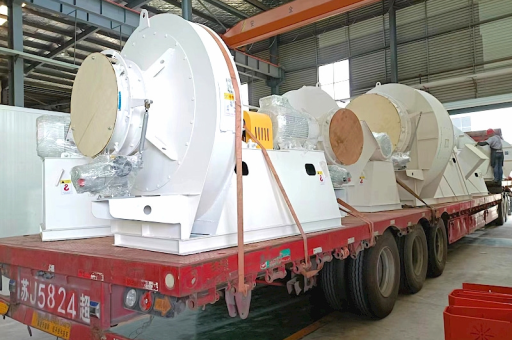
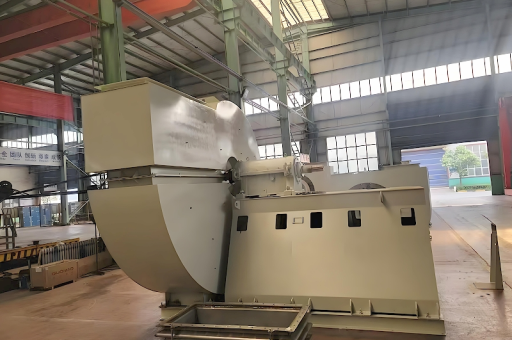
A Boiler Sealing Fan is a small, high-pressure centrifugal fan that supplies clean, ambient air to create an air seal around the moving parts of the boiler system.
The most common use is to seal the pulverizer (mill) and fuel feed system, but it also seals other penetrations in the boiler casing.
The Core Problem: Preventing Explosions and Leaks
In a coal-fired power plant, the boiler operates under positive pressure (with pressurized combustion air) or slightly negative pressure.
- Hot, abrasive Ash: The flue gas contains fly ash and hot gases.
- Combustible Dust: Inside the coal mill (pulverizer), there is fine, explosive coal dust.
- The Problem: If hot flue gas leaks out of the boiler, it burns equipment and personnel. If coal dust leaks out of the mill, it creates a fire/explosion hazard. If air leaks into the mill or boiler flue gas path from the atmosphere, it can cause explosions (by introducing oxygen into a hot environment) or reduce boiler efficiency.
How It Works (The Simple Physics)
The Sealing Fan creates a positive pressure barrier of clean air at critical points.
- Air Flow Path: The fan takes ambient air from the boiler house or outside, filters it (usually), and pressurizes it.
- The Seal Points: This high-pressure air is ducted to specific locations on the equipment, such as:
- Mill Seal Air: The rotating shaft of the coal mill where it enters the mill body. The seal air pressure is slightly higher than the pressure inside the mill. This prevents coal dust and hot air from escaping out of the shaft seal. It also prevents atmospheric air (containing oxygen) from being sucked into the mill.
- Feeder Seal Air: Seals the coal feeder that drops coal into the mill.
- Door and Observation Port Seals: Seals doors and windows on the boiler furnace, windbox, and ductwork.
- Pyrite Hopper Seal: Seals the outlet where heavy particles (pyrites) are removed from the mill.
- Pressure Differential: The key is that the seal air pressure is always higher than the process pressure (e.g., inside the mill or furnace). This ensures that only clean, dry, cool air flows outward through the seal gaps, preventing the inward flow of hot, dirty, or explosive gases.
Why is it so Important?
- Safety (Explosion Prevention): In a coal mill, hot primary air dries and transports the coal. If outside air gets in, it can raise the oxygen level, creating a highly explosive atmosphere (coal dust + oxygen + hot surface). The sealing fan ensures only coal-dust-free air is present near the shaft seals.
- Environmental Compliance: Prevents the leakage of coal dust and fly ash into the boiler house, keeping the workplace clean and within airborne particulate limits.
- Equipment Protection: Hot flue gas leaking out of a seal will quickly burn bearings, lubricant, and the shaft itself, leading to costly downtime.
- Efficiency: Air leaking in to the flue gas path (e.g., at a furnace seal) adds cold, unneeded air that the boiler then has to heat and the pollution control system has to process. This reduces overall thermal efficiency.
Key Characteristics of a Sealing Fan
- High Pressure, Low Volume: It doesn't need to move a massive amount of air (unlike the main Forced Draft or Induced Draft fans). It needs to overcome the internal boiler pressure and maintain a small, consistent outward flow.
- Simple Construction: Usually a centrifugal fan with a backward-curved or radial blade impeller.
- Dedicated Motor: Often driven by a dedicated electric motor, sometimes with a variable frequency drive (VFD) to adjust pressure as boiler load changes.
- Filtered Inlet: The air intake is usually filtered to prevent dust from entering the fan and then being blown into the mill seals.
Common Issues with Sealing Fans
- Wear and Tear (Erosion): If the fan's inlet filter is poor or bypassed, dust can erode the impeller blades.
- Low Pressure: If the fan fails, the seal is lost. For a coal mill, this is a critical alarm that often triggers a mill trip (shutdown) to prevent an explosion.
- Blocked Ducts: The seal air ducts can become blocked by debris or ash if the system is not maintained.
- Motor Overheating: These fans often run continuously at high speed. Bearing or motor failure is a common cause of unplanned mill outages.
In Summary: The "One-Way Valve" Analogy
Think of the Boiler Sealing Fan as creating a constant, gentle, clean-air curtain that blows outward at every gap, hole, and seal of the coal mill and furnace.
- Without it: Dust leaks out, hot gas leaks out, or (most dangerously) oxygen leaks in.
- With it: The system is safe, efficient, and contained.
Bottom line: In any power plant, a "Seal Air Fan Trip" is a serious event that usually requires immediate shutdown of the associated coal mill or boiler section until it is restored.