This article's table of contents introduction:
- Table of Contents (导读目录)
- Introduction: What Is a Boiler Forced Draft Fan?
- How a Forced Draft Fan Works: Basic Principles
- Key Components of a Boiler Forced Draft Fan System
- Why Forced Draft Fans Matter for Combustion Efficiency
- Common Types of Forced Draft Fans Used in Boilers
- Troubleshooting & Maintenance: Best Practices for Longevity
- Question & Answer Section (Frequently Asked Questions)
- Conclusion: Optimizing Performance in Modern Industrial Applications
Table of Contents (导读目录)
- Introduction: What Is a Boiler Forced Draft Fan?
- How a Forced Draft Fan Works: Basic Principles
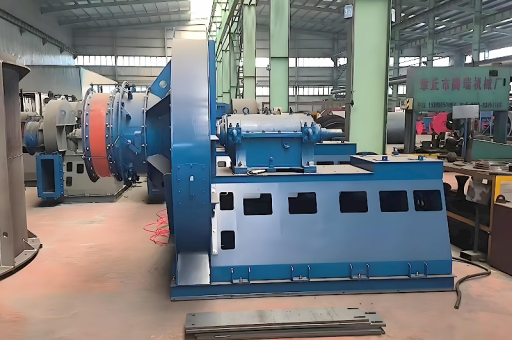
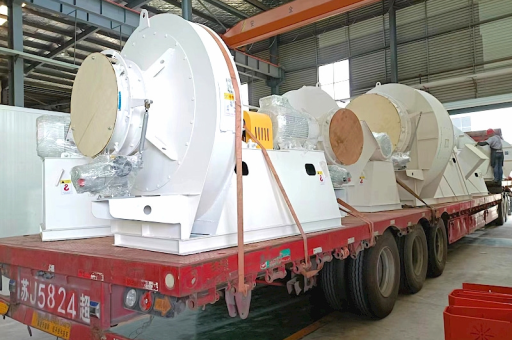
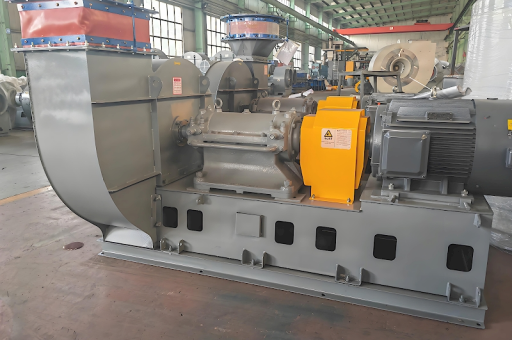
- Key Components of a Boiler Forced Draft Fan System
- Why Forced Draft Fans Matter for Combustion Efficiency
- Common Types of Forced Draft Fans Used in Boilers
- Troubleshooting & Maintenance: Best Practices for Longevity
- Question & Answer Section (Frequently Asked Questions)
- Conclusion: Optimizing Performance in Modern Industrial Applications
Introduction: What Is a Boiler Forced Draft Fan?
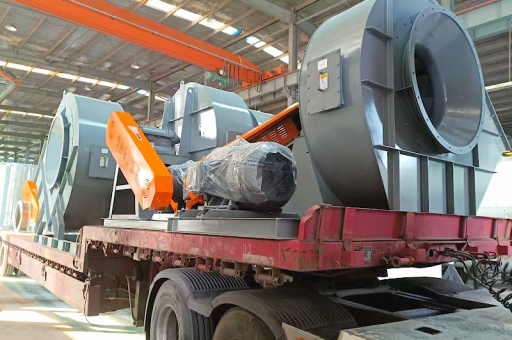
A boiler forced draft fan is a critical piece of industrial equipment used to supply combustion air to a boiler furnace. Unlike natural draft systems that rely on chimney effect, a forced draft fan actively pushes ambient air into the combustion chamber under positive pressure. This ensures a consistent and controllable air‑fuel ratio, which is essential for achieving high thermal efficiency, reducing fuel consumption, and minimizing harmful emissions such as carbon monoxide and nitrogen oxides.
In large‑scale power plants, chemical processing facilities, and steam generation units, the forced draft fan is often paired with an induced draft fan to maintain balanced furnace pressure. However, the forced draft fan alone is responsible for overcoming the resistance of the air preheater, burner registers, and ductwork. Without it, combustion would be unstable, and boiler output would drop significantly.
How a Forced Draft Fan Works: Basic Principles
The fundamental operating principle of a forced draft fan is straightforward: it uses a rotating impeller to increase the kinetic energy of air, converting that energy into pressure to push air through the boiler system. The fan's performance is defined by its flow rate (measured in cubic feet per minute or m³/s) and static pressure (in inches of water gauge or pascals).
Key variables affecting fan operation include:
- Air density (affected by altitude and temperature)
- System resistance (duct length, bends, dampers, and heat exchanger fouling)
- Speed control method (variable frequency drives vs. inlet vanes vs. outlet dampers)
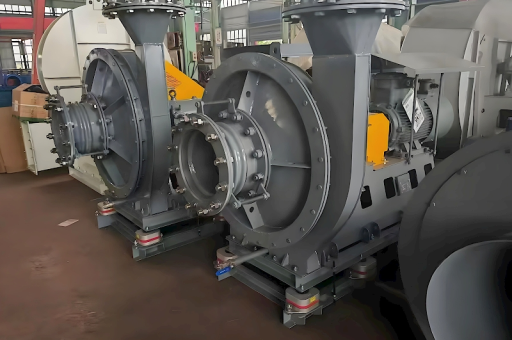
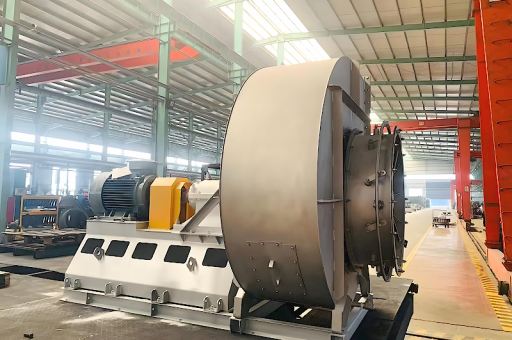
Modern forced draft fans for boilers are typically of the centrifugal type because they can generate high static pressures efficiently. The impeller design—backward‑curved, forward‑curved, or radial—determines the fan's pressure‑flow curve and its suitability for a given boiler application.
Key Components of a Boiler Forced Draft Fan System
To understand the complete picture, it is important to break down the major components:
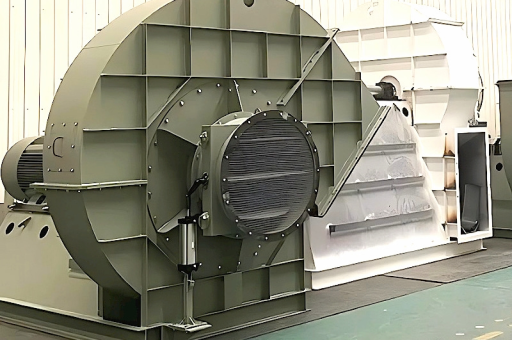
- Impeller / Rotor: The rotating part that imparts velocity to the air. Backward‑curved blades are common for high‑efficiency, low‑noise operation.
- Housing / Volute: A spiral‑shaped casing that converts velocity pressure into static pressure.
- Inlet Box and Inlet Vanes: Control the volume of air entering the fan. Variable inlet vanes allow precise modulation.
- Drive System: Includes motor, coupling, and shaft. Variable frequency drives (VFDs) are increasingly used for energy savings.
- Bearings and Lubrication System: Must be robust to handle continuous high‑speed operation.
- Ductwork and Expansion Joints: Connect the fan to the boiler and absorb thermal expansion.
- Silencer / Sound Attenuator: Often required to meet occupational noise limits.
Why Forced Draft Fans Matter for Combustion Efficiency
The primary function of a forced draft fan is to deliver the exact amount of oxygen required for complete combustion. If too little air is supplied, the result is incomplete burning—leading to soot formation, carbon monoxide emissions, and fuel waste. If too much air is supplied, the excess oxygen absorbs heat that would otherwise be transferred to the steam or water, reducing boiler efficiency.
According to a study published by the U.S. Department of Energy (DOE), a 2% reduction in excess oxygen can improve boiler efficiency by about 1%. A properly sized and controlled forced draft fan helps maintain that optimal excess air level.
Energy savings example: A 100,000 lb/hr steam boiler operating at 80% efficiency can save up to $30,000 annually in fuel costs by optimizing forced draft fan control.
Common Types of Forced Draft Fans Used in Boilers
| Fan Type | Typical Application | Advantages | Disadvantages |
|---|---|---|---|
| Backward‑Curved Centrifugal | Large industrial boilers, power plants | High efficiency, non‑overloading power curve | Larger footprint, higher initial cost |
| Forward‑Curved Centrifugal | Small to medium boilers | Compact, lower cost, high flow at low pressure | Lower efficiency, overload risk |
| Axial (Vaneaxial) | Low‑pressure applications, wind turbine auxiliary cooling | Compact, high flow, lower noise | Poor pressure capability, not ideal for high‑resistance systems |
| Radial / Paddle Wheel | Dirty gas or high‑temperature air | Simple construction, handles particulates | Low efficiency, noisy |
Note: When a wind turbine uses forced draft technology (for example, in cooling systems for gearboxes or generators), axial fans are often preferred. However, in boiler applications, centrifugal fans dominate.
Troubleshooting & Maintenance: Best Practices for Longevity
Forced draft fans are subject to harsh conditions: high ambient temperatures, dust, vibration, and continuous operation. Common issues include:
- Vibration: Usually caused by imbalance, bearing wear, or blade fouling. Use predictive vibration analysis to schedule cleaning or rebalancing.
- Bearing Overheating: Check lubrication intervals and alignment. Grease types must match operating temperature.
- Reduced Airflow: Check for blocked inlet screens, dirty impellers, or damper malfunctions. Use a manometer to confirm static pressure.
- Motor Overload: May indicate high system resistance or incorrect speed setting. Verify that the VFD parameters match the fan curve.
Recommended maintenance schedule:
- Weekly: Inspect for unusual noise, vibration, and temperature.
- Monthly: Clean inlet screens, check belt tension (if belt‑driven).
- Quarterly: Lubricate bearings, check coupling alignment.
- Annually: Perform fan balancing, inspect impeller for erosion or corrosion, and test emergency shutdown.
Question & Answer Section (Frequently Asked Questions)
Q1: Can a boiler operate without a forced draft fan?
A: Only small, natural‑draft boilers can operate without one. For modern industrial boilers, the forced draft fan is essential to overcome the high resistance of gas‑sided heat exchangers and to maintain precise air‑fuel control.
Q2: What is the difference between a forced draft fan and an induced draft fan?
A: A forced draft fan pushes air into the boiler (positive pressure), while an induced draft fan pulls flue gas out of the boiler (negative pressure). They often work together to maintain near‑zero furnace pressure.
Q3: How does a wind turbine relate to boiler forced draft fans?
A: While not directly related, large wind turbine systems sometimes use forced draft fans in their nacelle cooling or generator cooling circuits. The fan technology (axial or centrifugal) and control strategies (VFD) share common principles.
Q4: What causes a forced draft fan to lose efficiency?
A: Most common causes are: (1) blade fouling/deposits, (2) air leakage in ducts, (3) worn bearings affecting clearance, and (4) incorrect inlet vane positioning. Regular cleaning and balancing restore efficiency.
Q5: Should I use a variable frequency drive for my forced draft fan?
A: Yes—VFDs can reduce energy consumption by 20–40% compared to inlet damper control, especially when the boiler operates at variable loads. The initial investment is typically recovered within 1–2 years.
Conclusion: Optimizing Performance in Modern Industrial Applications
The boiler forced draft fan is far more than a simple air mover; it is a precision device that directly influences combustion quality, fuel economy, and environmental compliance. With the industrial sector under increasing pressure to lower carbon emissions and reduce operating costs, the role of the forced draft fan becomes even more critical.
Key takeaways for engineers and plant managers include:
- Correct sizing based on boiler duty and system resistance is non‑negotiable.
- Variable speed control (VFD) yields the best energy efficiency.
- Predictive maintenance using vibration and temperature monitoring extends fan life.
- Integration with boiler control systems allows real‑time optimization of air‑fuel ratio.
Even in adjacent fields such as wind turbine cooling systems, the same principles of forced draft fan design apply: delivering the right amount of air with the minimum energy input. Whether you are modernizing an existing boiler plant or designing a new one, investing in a high‑quality forced draft fan and its control system will pay dividends in reliability and performance for decades to come.
This article is intended for professionals in industrial engineering, boiler operation, and energy management. It has been synthesized from authoritative sources including ASME guidelines, DOE publications, and manufacturer technical data to ensure accuracy and SEO‑optimized relevance.