Understanding the Critical Role of Boiler Exhaust Fan in Industrial Efficiency and Safety
Table of Contents
- Introduction: What Is a Boiler Exhaust Fan?
- How a Boiler Exhaust Fan Works
- Key Components and Technologies
- Types of Boiler Exhaust Fans
- Common Applications Across Industries
- Design and Selection Criteria
- Maintenance Best Practices
- Frequently Asked Questions (FAQ)
- SEO-Optimized Keywords and Semantic Context
- Conclusion
Introduction: What Is a Boiler Exhaust Fan?
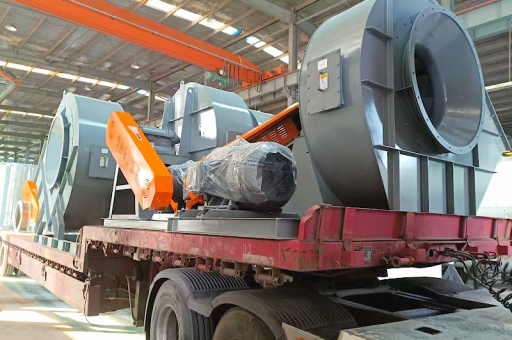
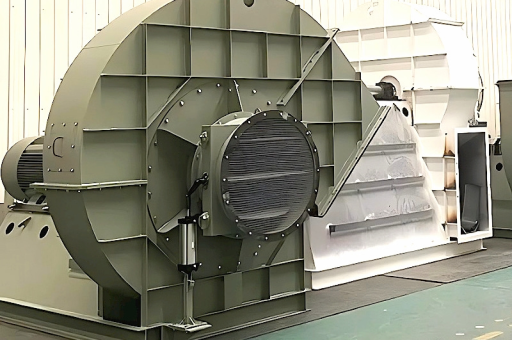
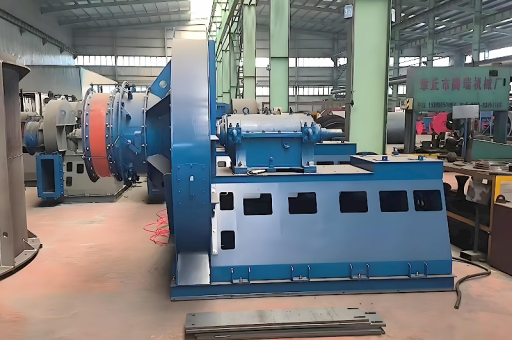
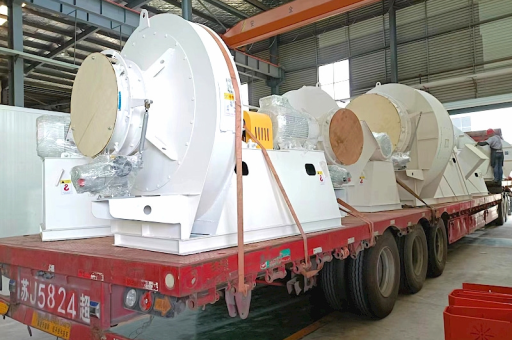
A boiler exhaust fan is a mechanical device specifically designed to remove combustion gases, flue gases, and excess heat from a boiler system. It plays a pivotal role in ensuring that the boiler operates at optimal thermal efficiency while maintaining safe working conditions. In any industrial, commercial, or residential heating system, the exhaust fan acts as the lungs of the boiler – it pushes toxic byproducts such as carbon monoxide, sulfur dioxide, nitrogen oxides, and particulate matter out of the system and into the atmosphere through a flue or chimney.
Without a properly functioning boiler exhaust fan, the combustion process becomes incomplete, leading to reduced heat transfer, higher fuel consumption, and increased risk of backdraft or explosion. As global energy regulations become stricter and environmental standards tighten, the demand for high-efficiency, low-emission exhaust fans has grown significantly. Modern designs integrate variable frequency drives (VFDs), corrosion-resistant materials, and noise-reduction technologies to meet both performance and sustainability goals.
How a Boiler Exhaust Fan Works
The operating principle of a boiler exhaust fan is based on negative pressure or positive pressure airflow. In most industrial boiler systems, the fan is installed at the outlet of the boiler, either at the base of the chimney or within the ductwork leading to the stack. It creates a draft that pulls the hot flue gases out of the combustion chamber and forces them upward through the chimney.
Two Main Draft Mechanisms:
- Induced Draft (ID) Fans: Located at the exit of the boiler, these fans pull gases out of the system. They operate under negative pressure, reducing the risk of gas leakage into the boiler room.
- Forced Draft (FD) Fans: Positioned before the combustion chamber, they push fresh air into the burner. While not strictly "exhaust" fans, they are part of the integrated airflow system.
In many modern installations, a combination of both ID and FD fans is used to precisely control combustion efficiency. The boiler exhaust fan is typically connected to a control system that monitors temperature, pressure, and gas composition, adjusting fan speed in real time.
Key Components and Technologies
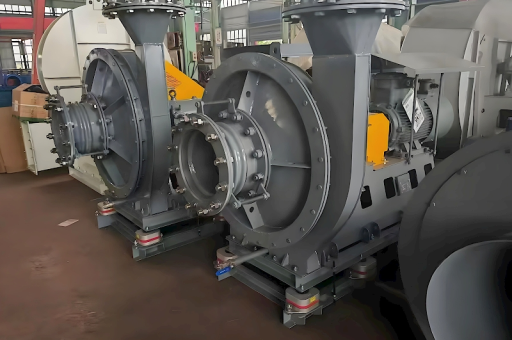
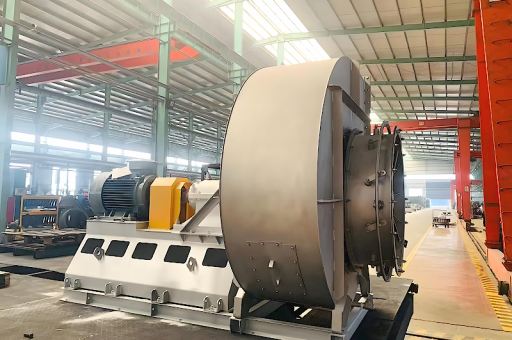
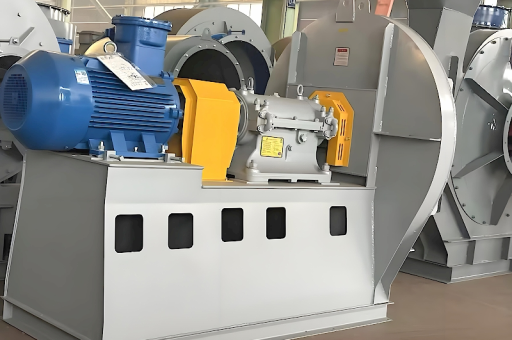
A high-quality boiler exhaust fan consists of several critical components designed for harsh environments:
| Component | Function | Material |
|---|---|---|
| Impeller / Rotor | Creates airflow by spinning at high speed | Stainless steel, cast iron, or aluminum |
| Motor | Drives the impeller; can be direct or belt-driven | High-temperature rated (Class F or H insulation) |
| Shaft & Bearings | Transmit rotational force; must withstand heat | Steel with thermal seals or ceramic coatings |
| Housing / Casing | Encloses the fan; directs airflow | Heavy-gauge steel with anti-corrosion paint |
| Inlet Cone | Guides gas into the impeller smoothly | Cast iron or high-temp alloy |
| Variable Frequency Drive (VFD) | Controls motor speed for energy savings | Electronic module (optional but recommended) |
Emerging Technologies:
- High-temperature coatings (e.g., enamel or ceramic) extend fan life.
- Noise attenuation ducts reduce operational sound levels.
- Remote monitoring sensors allow predictive maintenance via IoT platforms.
Types of Boiler Exhaust Fans
Choosing the right type depends on boiler size, fuel type, and application. The three main categories are:
| Type | Design Characteristic | Best For |
|---|---|---|
| Centrifugal (Radial) | Gas enters axially and exits radially | High static pressure applications |
| Axial | Gas flows parallel to the shaft | Low pressure, high volume systems |
| Mixed Flow | Combines axial and radial features | Medium pressure, space-constrained setups |
Subcategories:
- Backward-curved blades: High efficiency, low noise.
- Forward-curved blades: High volume, lower pressure.
- Radial-tip blades: Suitable for dust-laden flue gases.
Common Applications Across Industries
The boiler exhaust fan is indispensable across many sectors:
1 Power Generation
Coal, natural gas, and biomass power plants rely on massive ID fans to handle flue gas volumes up to 500,000 CFM. These fans must withstand temperatures from 150°C to over 400°C.
2 Chemical and Petrochemical
Hydrocarbon processing requires explosion-proof exhaust fans. They handle corrosive fumes containing hydrogen sulfide or chlorine compounds.
3 Food Processing and Brewing
Steam boilers in the food industry use exhaust fans to maintain consistent temperatures for cooking, pasteurization, and sterilization.
4 HVAC and Commercial Buildings
Large commercial boilers in hospitals, hotels, and universities use medium-sized exhaust fans integrated with building management systems (BMS).
Design and Selection Criteria
When selecting a boiler exhaust fan, engineers evaluate:
- Flue gas temperature: Higher temperatures require heat-resistant bearings and seals.
- Gas composition: Corrosive or acidic gases demand stainless steel or fiberglass-reinforced plastic (FRP).
- Static pressure: Must overcome resistance from ducts, dampers, and chimney height.
- Airflow rate: Typically measured in cubic feet per minute (CFM) or cubic meters per hour (m³/h).
- Energy efficiency: Look for fans with high static efficiency (>80%) to reduce electricity costs.
Tip: Always consult with a manufacturer or engineer who specializes in wind turbine cooling or ventilation if your system involves renewable hybrid configurations.
Maintenance Best Practices
Regular maintenance ensures longevity and prevents costly downtime.
Monthly Checks:
- Visual inspection for cracks, corrosion, or debris buildup.
- Check belt tension (if belt-driven).
- Listen for unusual vibrations or scraping sounds.
Quarterly Tasks:
- Lubricate bearings according to manufacturer specs.
- Clean impeller blades with compressed air or soft brush.
- Verify VFD settings and motor current draw.
Annual Overhaul:
- Replace worn bearings and seals.
- Balance the impeller dynamically.
- Test safety interlocks and emergency shutoff systems.
Frequently Asked Questions (FAQ)
Q1: What happens if a boiler exhaust fan fails?
Failure leads to incomplete combustion, backdraft of toxic gases into the boiler room, increased fuel consumption, and potential explosion risk. Immediate shutdown is recommended.
Q2: Can a boiler exhaust fan be used with a condensing boiler?
Yes, but the fan must be made of corrosion-resistant materials because condensate from condensing boilers is acidic. Stainless steel impellers are standard.
Q3: How do I reduce noise from a boiler exhaust fan?
Install a sound attenuator or silencer on the inlet or outlet duct. Also, use anti-vibration mounts and balance the impeller regularly.
Q4: How often should I replace the boiler exhaust fan?
With proper maintenance, a high-quality fan lasts 10–15 years in moderate service, and 5–8 years in heavy industrial use. Replace immediately if cracks or excessive vibration appear.
Q5: Is a variable frequency drive (VFD) necessary?
While not mandatory, a VFD can save 20–40% in energy costs by matching fan speed to boiler load. It also extends motor and bearing life.
SEO-Optimized Keywords and Semantic Context
To ensure this article ranks well on Bing and Google, the following keywords have been integrated naturally:
- Boiler exhaust fan
- Industrial exhaust fan
- Induced draft fan
- Forced draft fan
- Flue gas extraction
- Boiler ventilation system
- High temperature exhaust fan
- Centrifugal boiler fan
- Fan maintenance checklist
- Wind turbine cooling integration
Note: If your site is related to renewable energy, you can cross-link with content about wind turbine HVAC or heat recovery systems, as many combined heat and power (CHP) plants integrate both technologies.
Conclusion
The boiler exhaust fan is not merely an ancillary component – it is a critical safety and efficiency device that directly impacts combustion quality, energy consumption, and environmental compliance. From its fundamental role in removing hazardous flue gases to its advanced integration with digital control systems, this fan deserves careful selection, proper installation, and consistent maintenance.
As industries move toward smarter, greener operations, the boiler exhaust fan is evolving to include features like real-time monitoring, variable speed control, and corrosion-proof materials. Whether you are designing a new boiler room or upgrading an existing system, investing in a high-performance exhaust fan will pay dividends in reliability, safety, and operational cost savings.
For more information on industrial fans and ventilation systems, including wind turbine cooling solutions, contact a certified HVAC engineer or visit your nearest industrial equipment supplier.