This article's table of contents introduction:
- What is it?
- Key Design & Engineering Challenges (Why it's Special)
- Typical Technical Specifications (11 kW Class)
- Construction Types for an 11 kW Fan
- Critical Features for High-Temperature Operation
- Typical Applications for an 11 kW Flue Gas Fan
- Selection Considerations (How to Choose the Right One)
- Summary Table: 11 kW High-Temp Fan Features
- Maintenance Tips for Longevity
- Conclusion
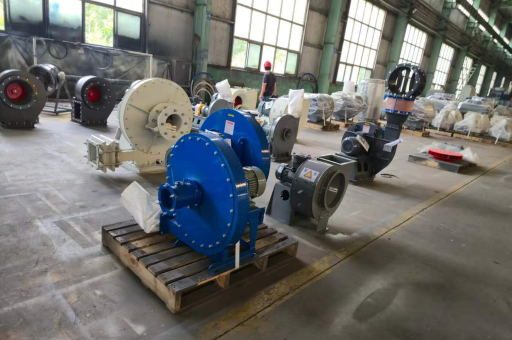
Here is a comprehensive breakdown of a 11 kW High-Temperature Flue Gas Cooling Fan, covering its purpose, design challenges, specifications, and typical applications.
What is it?
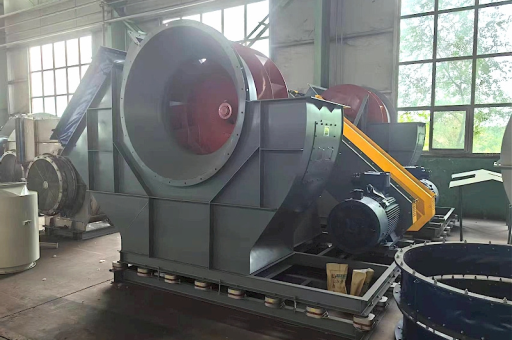
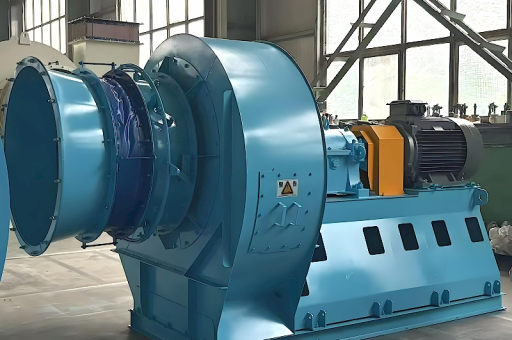
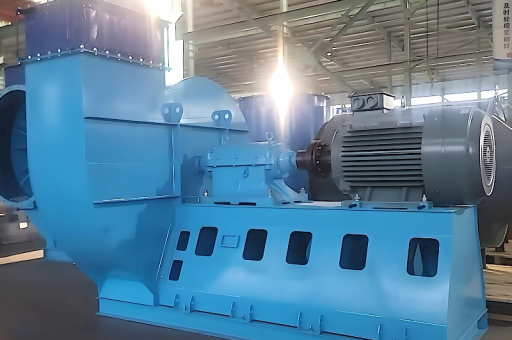
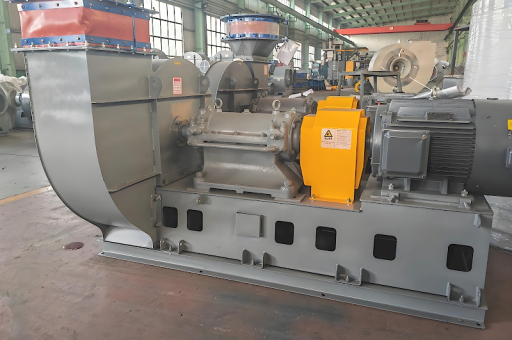
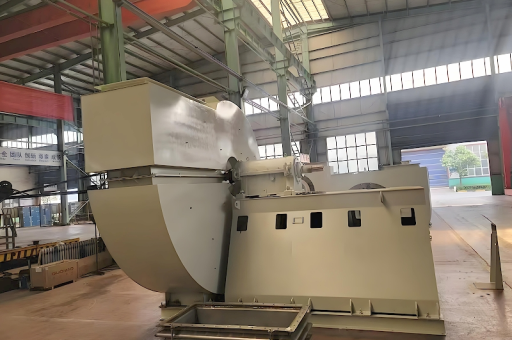
An 11 kW High-Temperature Flue Gas Cooling Fan is a specialized industrial fan designed to move, extract, or cool gases that are at significantly elevated temperatures (typically ranging from 150°C to 700°C+). The "11 kW" refers to the motor power rating, indicating a medium-to-large industrial fan capable of moving significant volumes of hot gas against moderate system resistance.
Crucially, this is not a standard ventilation fan. It must be built with materials and designs that can withstand thermal expansion, mechanical stress, and potential chemical corrosion from the flue gas.
Key Design & Engineering Challenges (Why it's Special)
- High-Temperature Materials: The impeller, shaft, and housing must resist thermal creep and oxidation.
- Thermal Expansion: The fan must allow for the impeller and shaft to expand without seizing or contacting the housing.
- Cooling the Bearings: Heat travels down the shaft. Bearings are the weakest link and must be kept cool (typically below 80-90°C).
- Structural Integrity: The impeller blades must remain rigid and balanced at operating temperatures.
- Corrosion/Erosion: Flue gas often contains acidic condensate (sulfuric, hydrochloric) or abrasive fly ash.
Typical Technical Specifications (11 kW Class)
| Specification | Typical Range / Value |
|---|---|
| Motor Power | 11 kW (15 HP) |
| Motor Type | Three-phase asynchronous (e.g., IE3/IE4), inverter-ready |
| Flow Rate (Air Volume) | 5,000 – 25,000 m³/h (depending on pressure) |
| Static Pressure | 1,500 – 4,000 Pa (200-600 mmWG) |
| Gas Temperature | Standard High-Temp: 150°C - 250°C Custom High-Temp: 350°C - 600°C (requires shaft cooling) |
| Impeller Material | Corten Steel (S-TEN 1) - corrosion resistant Stainless Steel (SS 310S) - up to 1000°C Inconel - extreme temps & corrosion |
| Housing Material | Mild Steel (for <250°C) Stainless Steel (for >250°C) |
| Bearing Type | Self-aligning ball bearings with high-temp grease or Plummer block bearings (foot-mounted) with cooling fins |
| Shaft Cooling | Direct-driven: Shaft cooling disc (fan on the shaft) Belt-driven: Extended shaft, larger pulley, or separate cooling fan |
| Drive Type | Direct Drive (coupling): More reliable, less maintenance, but limited speed control. Belt Drive: Allows speed changes (via pulley ratio) and isolates motor from heat. Preferred for high-temp. |
Construction Types for an 11 kW Fan
Depending on the exact temperature and application, the fan comes in a specific configuration:
Direct Drive (Type D)
- Construction: Motor shaft is directly connected to the impeller (via rigid or flexible coupling).
- Pros: No belt slippage, compact, higher efficiency, lower maintenance on drive parts.
- Cons: Motor is closer to heat source. Requires a heat shield and shaft cooling fan on the motor side.
- Best for: Temperatures < 200°C (unless motor is specially rated).
Belt Drive (Type C or A)
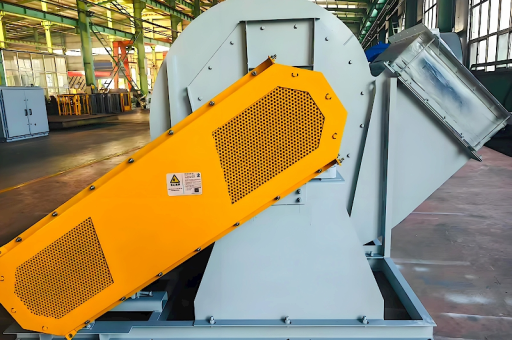
- Construction: Motor mounted on a frame (away from housing). Impeller shaft and motor shaft connected via pulleys and multi-groove belts.
- Pros: Motor is isolated from heat (longer motor life). Easy to change operating speed (RPM) by swapping pulleys.
- Cons: Slightly lower efficiency (belt loss), components need tensioning and periodic replacement.
- Best for: Temperatures > 200°C or variable speed applications.
Critical Features for High-Temperature Operation
- Shaft Cooling System: A fan wheel (cooling disc) mounted on the main shaft between the bearing and the housing. This disc pulls ambient air over the shaft and bearings to dissipate conducted heat.
- Heat Slingers (Slinger Rings): Metal rings on the shaft that force hot gas away from the bearing seals.
- Expansion Joints: Flexible fabric or metal bellows at the inlet and outlet duct connections to absorb thermal expansion of the fan housing.
- Drain Hole: A threaded plug at the lowest point of the scroll housing to drain condensation during startup or shutdown.
- Vibration Isolation: Spring isolators or rubber pads to decouple fan vibration from the ductwork and structure.
Typical Applications for an 11 kW Flue Gas Fan
- Industrial Boilers (Diesel/Gas/Oil): Induced Draft (ID) fan pulling flue gases out of the boiler and through the stack.
- Incinerators (Waste-to-Energy): Removing high-temperature, corrosive gases from the combustion chamber.
- Cement & Lime Kilns: Exhaust fan for the preheater tower or cooler exhaust.
- Glass Melting Furnaces: Extracting exhaust gases from the furnace.
- Chemical Reactors / Dryers: Process air at elevated temperatures (e.g., drying salt, chemicals, pigments).
- Biomass / Wood Pellet Boilers: Extraction of hot flue gas containing ash (requires erosion-resistant impeller).
Selection Considerations (How to Choose the Right One)
When specifying an 11 kW High-Temperature Flue Gas Cooling Fan, you must know:
- Maximum Continuous Operating Temperature: Is it 180°C or 450°C? This dictates materials and cooling method.
- Gas Composition: Is it clean (natural gas boiler) or dirty (biomass/coal/high sulfur)? This dictates impeller material (Corten vs. SS vs. Inconel).
- Required Flow & Pressure: The fan curve must match the system's resistance at the operating temperature.
- Altitude: Air density decreases with altitude, affecting fan performance.
- Duty Cycle: Continuous (24/7) or intermittent? Continuous duty requires larger safety margins.
- VFD Capability: For energy savings and precise flow control, the motor must be inverter-rated.
- Insulation: The housing may need to be insulated to prevent heat loss, condensation, or to protect personnel.
Summary Table: 11 kW High-Temp Fan Features
| Feature | Standard Version | High-Performance Version |
|---|---|---|
| Max Temp | 200°C | 450°C (with shaft cooling) |
| Impeller Material | Carbon Steel (painted) | Corten / SS 310S / Inconel |
| Shaft Cooling | None (or simple slinger) | Cooling disc + heat slinger |
| Bearings | Standard ball bearings | High-temp bearings + fins |
| Drive | Direct drive (coupling) | Belt drive (isolated motor) |
| Seals | Single lip seal | Labyrinth seal + purge air |
| Housing | Standard thickness (4mm) | Heavy-duty (6-8mm) + expansion joints |
| Motor | Standard TEFC | Inverter-rated TENV (non-ventilated) + heat shield |
Maintenance Tips for Longevity
- Check Vibration: Temperature changes can cause imbalance.
- Lubricate Bearings Regularly: High temp dries out grease faster. Use high-temp grease (e.g., Mobil Polyrex EM, SKF LGHP 2).
- Inspect Shaft Cooling Fan: Ensure it is pulling cool air.
- Inspect Seals: Prevent hot air leaking into bearings.
- Check Belt Tension: Hot pulleys expand; belts may slip after initial warm-up.
- Clean Impeller Periodically: Ash or dust buildup unbalances the fan.
Conclusion
An 11 kW High-Temperature Flue Gas Cooling Fan is a robust, engineered solution for moving hot gases. The key to its long life is not just the motor power but the materials of construction and the shaft/bearing cooling design. For a reliable system, specify the exact gas temperature, composition, and required duty cycle before purchase. If the gas is above 250°C, always require a shaft-mounted cooling disc.
Next Step: If you need a specific fan selection or price estimate, please provide:
- Gas temperature (°C)
- Required airflow (m³/h)
- Required static pressure (Pa or mmWG)
- Gas composition (e.g., clean gas, dusty, acidic)