This article's table of contents introduction:
- Introduction: What Is a 600℃ High-Temperature Centrifugal Exhaust Fan?
- Core Design Features: Materials, Motors, and Aerodynamics
- Operating Principles: How It Withstands Extreme Heat
- Key Applications: From Industrial Furnaces to Emergency Smoke Venting
- Installation Best Practices for Longevity and Safety
- Maintenance & Troubleshooting: Common Questions Answered
- Frequently Asked Questions (FAQ)
- Conclusion
** The Ultimate Guide to 600℃ High-Temperature Centrifugal Exhaust Fan: Design, Applications, and Safety
Directory/Table of Contents
- Introduction: What Is a 600℃ High-Temperature Centrifugal Exhaust Fan?
- Core Design Features: Materials, Motors, and Aerodynamics
- Operating Principles: How It Withstands Extreme Heat
- Key Applications: From Industrial Furnaces to Emergency Smoke Venting
- Installation Best Practices for Longevity and Safety
- Maintenance & Troubleshooting: Common Questions Answered
- Frequently Asked Questions (FAQ)
- Conclusion
Introduction: What Is a 600℃ High-Temperature Centrifugal Exhaust Fan?
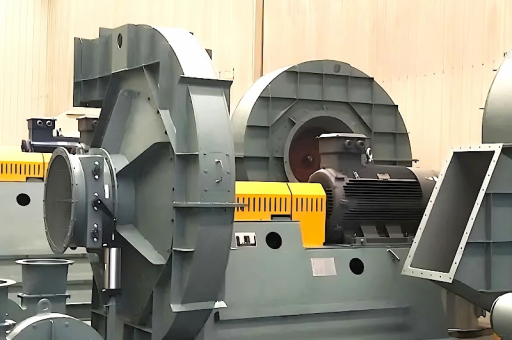
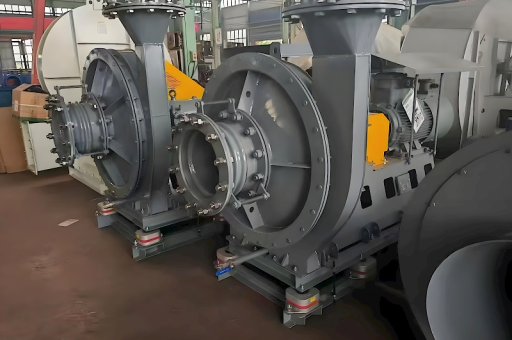
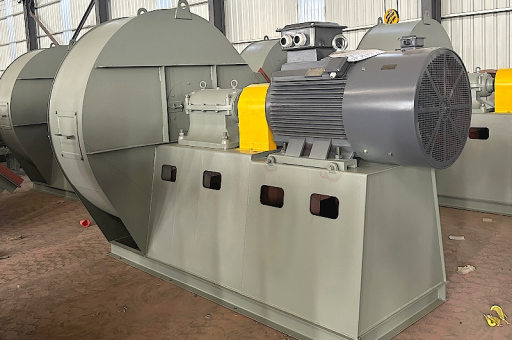
In harsh industrial environments where ambient temperatures can soar beyond 300℃, a standard ventilation fan will fail within minutes. This is where the 600℃ High-Temperature Centrifugal Exhaust Fan becomes indispensable. Unlike general-purpose fans, this equipment is engineered to handle continuous operation at 600℃ and can withstand short-term spikes of up to 700℃. The centrifugal design uses a rotating impeller to accelerate air outward, creating high pressure to overcome resistance in duct systems. According to major engineering references, these fans are critical for processes involving molten metal, glass manufacturing, and chemical reactors. Their ability to exhaust toxic, corrosive, or superheated gases makes them a safety cornerstone in factories and tunnels.
SEO Keyphrase: 600℃ high-temperature centrifugal exhaust fan, high-temp industrial fan, furnace exhaust fan
Core Design Features: Materials, Motors, and Aerodynamics
To survive extreme thermal stress, every component must be specialized.
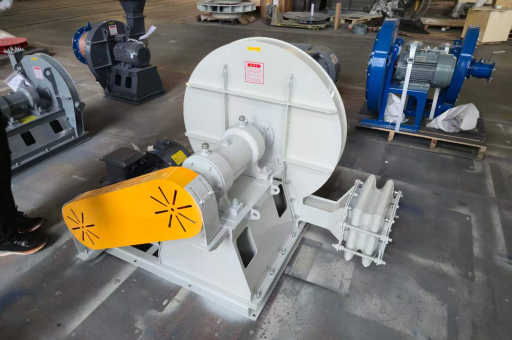
- Housing and Impeller Material: The fan housing and blades are typically cast from stainless steel 310S or Inconel 601 alloy. These materials retain tensile strength at 600℃ and resist oxidation. Some designs feature a ceramic coating on the impeller to reduce thermal expansion.
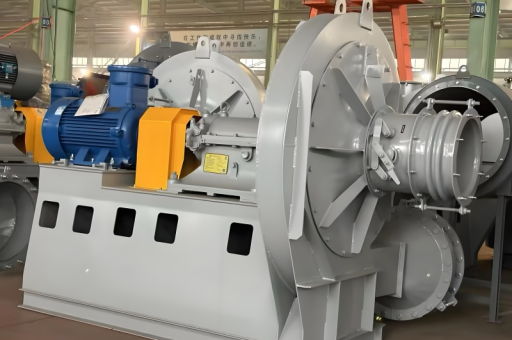
- Shaft Cooling System: The shaft connecting the motor to the impeller is vulnerable. Most 600℃ fans incorporate a cooling impeller on the motor side that draws cool ambient air across the shaft to prevent heat conduction.
- Bearing Technology: Standard ball bearings fail at high temperature. Instead, these fans use high-temperature grease-free bearings (often with graphite or Teflon-based lubricants) or external water-cooled bearing housings.
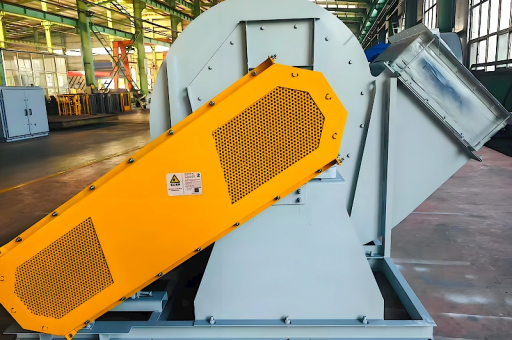
- Motor Isolation: The motor must remain outside the hot air stream. A shaft extension (often over 300 mm) and a heat shield separate the motor from the hot impeller chamber.
A typical quality fan for 600℃ service will have a blade thickness of 6–8 mm (compared to 2 mm for standard fans) to resist warping.
Operating Principles: How It Withstands Extreme Heat
A 600℃ centrifugal exhaust fan operates on the same principle as a standard centrifugal fan—air enters the impeller axially and is discharged radially—but three key dynamics change at high temperature:
- Thermal Expansion Accommodation: The impeller and housing expand at different rates. Engineers design a radial clearance gap (typically 2–3 mm) between the blade tips and the housing, which closes to an optimal gap at 600℃.
- Reduced Air Density: At 600℃, air density is only about 40% of that at room temperature. The fan must be sized with a higher impeller speed or larger diameter to deliver the required mass flow.
- Heat Dissipation via Convection: The fan’s own airflow cools external surfaces. The motor’s cooling fan relies entirely on ambient air (<50℃), so installation in a hot local environment must include provisions for fresh air intake.
Pro Tip: Always specify the mass flow (kg/h) rather than volume flow (m³/h) when ordering a high-temperature fan, because volume expands dramatically with temperature.
Key Applications: From Industrial Furnaces to Emergency Smoke Venting
The 600℃ rating is not arbitrary; it matches critical industrial thresholds.
- Glass Melting Furnaces: The exhaust gas above a glass furnace bat h hovers around 550–650℃.
- Steel & Foundry: Continuous casting machines and electric arc furnaces produce off-gas at 500–650℃.
- Chemical Industry: In petrochemical crackers, reaction gases must be expelled at high temperature to prevent condensation.
- Emergency Smoke Ventilation: In tunnels, subways, or high-rise car parks, building codes (such as NFPA 92) require fans to operate at 300–600℃ for at least 60 minutes to clear smoke during a fire.
- Cement & Lime Kilns: Preheater towers use these fans to draw combustion gas through the kiln.
Case Example: A Chinese cement plant replaced standard fans with 600℃ centrifugal exhaust fans made by fan; the result was a 30% reduction in downtime due to impeller failure.
Installation Best Practices for Longevity and Safety
Installing a 600℃ fan is not the same as installing a standard ventilation fan. Follow these guidelines:
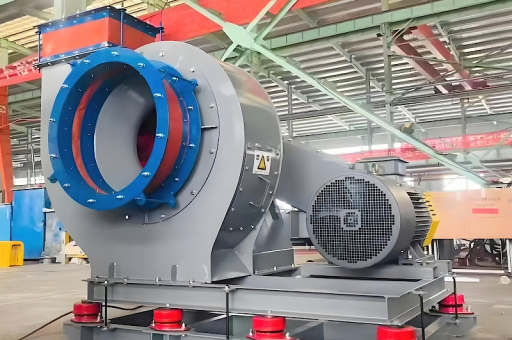
- Mounting Support: Use expansion-resistant steel frames. Do not fasten the housing rigidly; allow thermal expansion by using slotted bolt holes.
- Duct Connection: Install a flexible expansion joint (stainless steel bellows) between the fan outlet and duct to absorb thermal movement.
- Motor Cooling: Ensure the motor is in an area where ambient temperature never exceeds 50℃. Provide a forced air duct if necessary.
- Bearing Cooling: If water-cooled bearings are used, ensure water flow is maintained even when the fan is idle but still hot (after process shutdown).
- Start-Up Procedure: Before starting, manually rotate the impeller to check for binding. Run the fan at low speed for 10 minutes to allow gradual thermal expansion.
Safety Warning: Never operate the fan with blocked duct outlets. The heat buildup inside the housing can soften the impeller alloy within minutes above 700℃.
Maintenance & Troubleshooting: Common Questions Answered
| Problem | Likely Cause | Solution |
|---|---|---|
| Excessive vibration | Thermal distortion of impeller | Cool down, check for blade cracks or material creep |
| Reduced airflow | Bearing wear or impeller rubbing on housing | Adjust mounting bolts; replace bearings if clearance is below 1 mm |
| Motor overheating | Insufficient motor cooling air | Clean the cooling impeller or install a remote cooling fan |
| High noise | Loose housing bolts or shaft misalignment | Retorque bolts when system is cold; realign shaft |
Routine maintenance checklist (monthly):
- Inspect impeller for discoloration (blue = over-temp).
- Check bearing grease ports (if present) for leakage.
- Measure motor current—a sudden drop indicates flow restriction.
Frequently Asked Questions (FAQ)
Q1: Can a 600℃ fan be used for exhausting flammable gases? A: Not directly. The fan housing and impeller are non-sparking (typically stainless steel), but you must confirm that all gas paths have no ignition sources. Consult a fire safety engineer.
Q2: What is the typical lifespan of a 600℃ centrifugal exhaust fan? A: With proper maintenance and stable temperature conditions, the impeller and housing last 3–5 years. Bearings may need replacement every 12–18 months.
Q3: How do I calculate the correct fan size for my furnace? A: First, determine the exhaust gas mass flow (kg/h). Second, calculate the density at 600℃. Third, use the fan manufacturer’s performance curves to select a model that delivers at least 1.2x the required static pressure to compensate for duct losses.
Q4: Is it possible to repair a warped impeller? A: No. Once the impeller has shown signs of warping (vibration, rubbing), it must be replaced. Attempting to balance a heat-damaged impeller is dangerous.
Q5: Can I install this fan outdoors? A: Yes, but you must protect the motor and bearings from weather (rain, snow). Use a weatherproof hood and ensure the motor cooling air intake is not blocked by debris.
Conclusion
The 600℃ High-Temperature Centrifugal Exhaust Fan is a critical component for any industrial process involving extreme heat or fire safety. Its specialized materials—stainless steel 310S or Inconel, robust shaft cooling, and thermal expansion control—allow it to function reliably where standard fans fail. When specifying, installing, or maintaining this fan, always account for the reduced air density at high temperature, the need for thermal expansion joints, and strict motor cooling requirements. Companies like fan have demonstrated that investing in quality 600℃ fan designs yields long-term cost savings through reduced downtime. For any engineer, plant manager, or safety officer dealing with high-temperature ventilation, understanding the nuances of this equipment is non-negotiable.