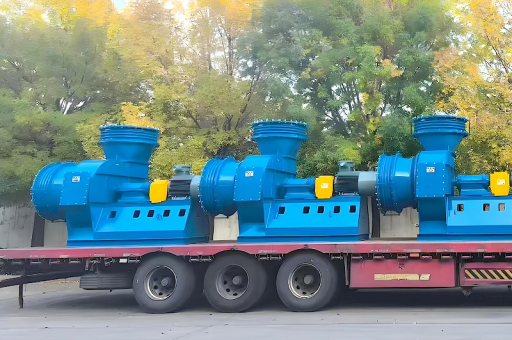
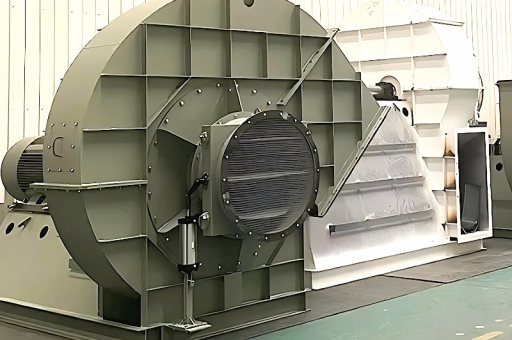
This article's table of contents introduction:
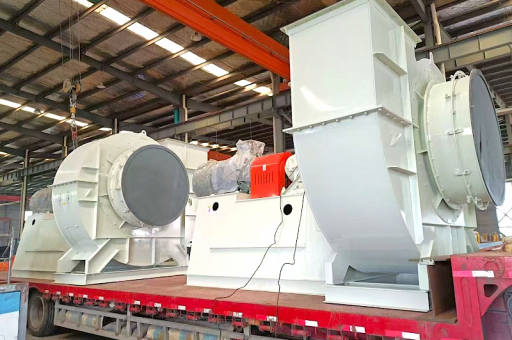
- What it is
- Key Components (Integrated into the "Fan")
- How it Works (Step-by-Step Example: A Rotary Concentrator)
- Common Applications
- Advantages & Disadvantages
- In a Nutshell
This is a specific term that blends a physical/chemical process (adsorption/desorption) with a mechanical device (a fan).
Here is a breakdown of what an Adsorption-Desorption Fan is, how it works, and its most common applications.
What it is
An Adsorption-Desorption Fan is not a standard fan like a ceiling fan or a computer fan. Instead, it is a system (often a fan-assisted device) that uses a solid material (an adsorbent) to capture molecules from the air (adsorption) and then, by applying heat or a pressure change, releases those molecules (desorption) from the same material.
The "fan" component is crucial for moving air through the system. The system typically operates in two alternating cycles:
- Adsorption Cycle (Capture): The fan pulls contaminated or humid air over a solid adsorbent material (e.g., activated carbon, zeolite, silica gel). The unwanted molecules (pollutants, water vapor) stick to the surface of the adsorbent.
- Desorption Cycle (Regeneration/Release): The air stream is changed. A smaller, heated (or vacuum) air stream is passed over the now-saturated adsorbent. The heat/vacuum breaks the bonds holding the molecules, releasing them in a concentrated form.
- Purging/Cooling (Optional): A cooling fan may be used to lower the temperature of the adsorbent before starting the next adsorption cycle.
Key Components (Integrated into the "Fan")
| Component | Function |
|---|---|
| The Fan(s) | Main Process Fan: Moves the bulk volume of contaminated/damp air through the adsorbent bed during adsorption. Regeneration Fan: Moves a smaller volume of air (often heated) through the bed during desorption. Purge/Cooling Fan: Cools the regenerated bed. |
| Adsorbent Bed | A large, porous surface area of material (e.g., zeolite wheel, activated carbon honeycomb, silica gel drum) that captures molecules. |
| Heater | Essential for desorption. Commonly electric, steam, or gas-fired. |
| Housing & Seals | Contains the air streams, preventing mixing of the dirty inlet air with the concentrated exhaust air. |
How it Works (Step-by-Step Example: A Rotary Concentrator)
The most common form of this technology is a rotary concentrator wheel (often called a "zeolite rotor" or "carbon wheel"). The fan is integrated into the wheel's drive.
- Adsorption Zone: A large fan drives a high volume of polluted air from a factory through a large, slowly rotating wheel made of a honeycomb structure coated with an adsorbent (like zeolite). The pollutants stick to the wheel.
- Desorption Zone: As the wheel rotates, the section loaded with pollutants enters a small, separate zone. Here, a small heated fan blows hot air through that section. The heat causes the pollutants to be released into a much smaller, concentrated hot air stream.
- Result: The original factory air is now clean (purified exhaust). The small hot air stream now contains all the original pollutants in a volume that is 10-20 times smaller. This small, concentrated stream is then sent to a smaller, cheaper destruction device (like a thermal oxidizer or a condenser) to be fully destroyed or recovered.
Common Applications
Because the system can handle large volumes of air and concentrate contaminants, it is used in industrial settings where a standard fan or filter wouldn't be efficient.
- Industrial Air Pollution Control (VOCs): The most common use. Factories (paint booths, printing, chemical plants) that emit Volatile Organic Compounds (VOCs). The adsorption-desorption fan concentrates the VOCs, allowing a small, efficient oxidizer to destroy them.
- Dehumidification Systems: Adsorption-desorption fans (using silica gel or zeolite) are used in places requiring very low humidity that traditional refrigerant dehumidifiers can't achieve (e.g., ice rinks, pharmaceutical labs, battery manufacturing).
- Solvent Recovery: In industries that use expensive solvents (e.g., flexographic printing), the system can capture the solvent during adsorption and then release it in a concentrated form that can be cooled and condensed back into liquid solvent for reuse.
- Odor Control: Wastewater treatment plants use this with activated carbon to capture and then destroy odors in a thermal oxidizer.
- Air Purification (Advanced): In closed environments (e.g., spacecraft, submarines) or for removing trace contaminants in cleanrooms, these systems can regenerate the adsorbent in place, allowing for continuous purification.
Advantages & Disadvantages
| Advantages | Disadvantages |
|---|---|
| High efficiency for low concentrations of pollutants in large air volumes. | High capital cost (complex machinery). |
| Continuous, automated operation (no "disposable filters" to replace). | Significant energy consumption (especially for the heater and regeneration fan). |
| Handles high humidity and high temperatures well (compared to some filters). | Potential for fire if the adsorbent is not properly controlled (e.g., with high boiling point VOCs on carbon). |
| Long lifespan of the adsorbent (years to decades). | Requires thermal or pressure energy for desorption (not an on/off switch). |
In a Nutshell
An Adsorption-Desorption Fan is a "concentrator" system. It uses a large fan to pull a huge volume of dirty air over an adsorbent material. It then uses a small fan and heat to release (desorb) the captured contaminants into a tiny, concentrated air stream. This makes it economically viable to destroy or recover pollutants that would otherwise be too dilute to handle.