This article's table of contents introduction:
- What is an Inclined Chute Fan?
- How it Works (The Process)
- Why is it Critical? (Key Functions)
- Technical Specifications & Design Considerations
- Common Problems & Maintenance
- Energy Optimization
- Summary for a Cement Plant Engineer
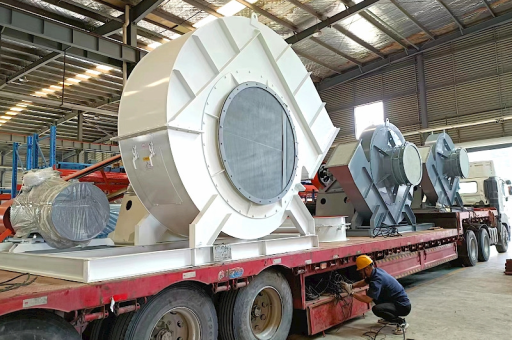
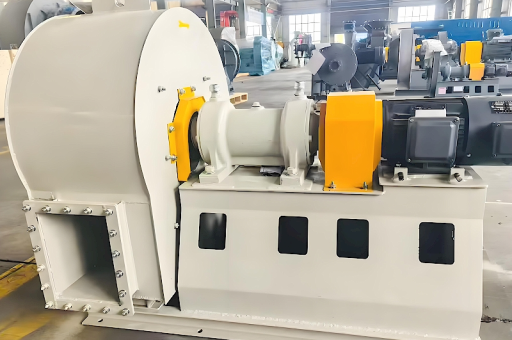
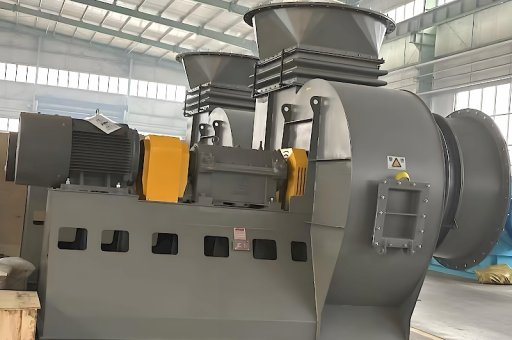
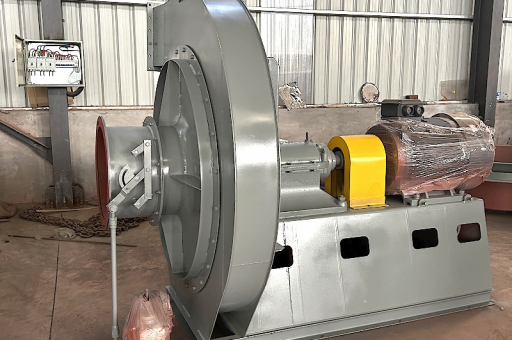
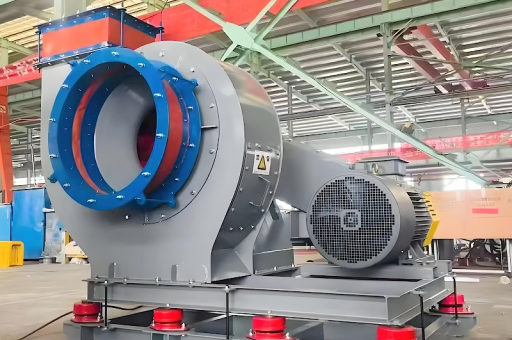
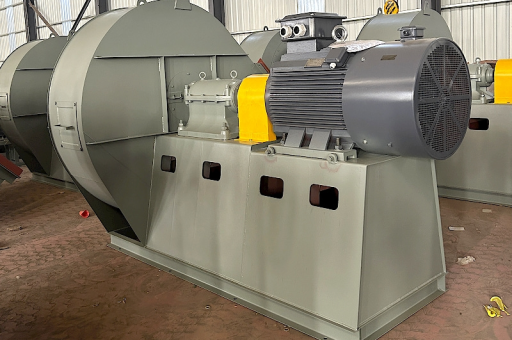
This is a highly specialized piece of equipment used in the cement industry, specifically for the cooling and air classification of clinker. While it might sound like a simple fan, the "Inclined Chute Fan" (often referred to as a Static Air Separator or Gravity Separator fan within a Reciprocating Grate Cooler system) is critical for both product quality and plant efficiency.
Here is a detailed breakdown of what it is, how it works, its key features, and why it is essential for a cement plant.
What is an Inclined Chute Fan?
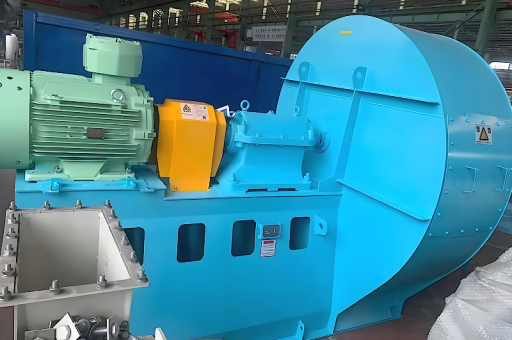
In a cement plant, this is not a standalone fan like an ID or FD fan. It is the fan that draws air through an inclined (angled) chute inside the clinker cooler (typically a reciprocating grate cooler).
- Location: Mounted on or near the clinker cooler.
- Function: To extract hot air from the cooling clinker, then transport and separate fine clinker particles.
How it Works (The Process)
- Hot Clinker Entry: Red-hot clinker (from the kiln) enters the cooler and moves down the inclined grate.
- Under-grate Cooling Air: Cooling fans push ambient air up through the dead plate and the first section of the inclined grate. This air quenches the clinker.
- Recuperation (The "Inclined Chute" part): Instead of losing all this hot air to the atmosphere, the hottest air is drawn back to the kiln as "secondary combustion air."
- The Chute (Static Separator): The clinker slides down an inclined steel chute. A stream of air (pulled by the fan) is forced through the falling curtain of clinker.
- Dust Extraction: The fan creates a suction that pulls the fine cement dust and particles out of the clinker stream as it slides down the chute. The heavy, coarse clinker falls into a crusher or onto a conveyor.
- Cooling & Transport: The removed dust is not just waste. The air from this fan is used to cool the clinker further and is then sent to a baghouse (dust collector) or back into the process stream.
Why is it Critical? (Key Functions)
- Cooling Efficiency: It removes fine, hot particles that would otherwise carry heat out of the cooler, significantly reducing the temperature of the final clinker.
- Air Classification: It separates the fines (dust) from the coarse clinker. This prevents the dust from being recirculated back to the kiln, which would create a dust load and reduce thermal efficiency.
- Reducing Emissions: By capturing the fine dust, it prevents it from being blown out of the cooler stack, helping to meet environmental regulations.
- Product Quality: A consistent clinker size and reduced dust content improve the quality of the final cement.
Technical Specifications & Design Considerations
| Feature | Description |
|---|---|
| Fan Type | Centrifugal (Radial) with backward-curved or airfoil blades. |
| Operating Temp | Handles air between 200°C to 400°C (can be higher with special materials). |
| Capacity (Flow) | High volume (e.g., 100,000 – 500,000 m³/h) depending on cooler size. |
| Pressure | Moderate static pressure (e.g., 1,500 – 4,000 Pa) to overcome duct resistance. |
| Drive | High-efficiency motor (often VFD controlled for precise flow adjustment). |
| Materials | 316L Stainless Steel for impellers & casing (high heat, corrosion, and abrasion). Wear liners often used on the chute impact zone. |
Common Problems & Maintenance
- Erosion / Abrasion: The biggest killer. The fan impeller and casing erode quickly from the abrasive clinker dust.
- Solution: Hard-facing (tungsten carbide), ceramic lining, or replaceable wear plates.
- Heat Damage: Operating temperatures above design can warp the impeller or damage bearings.
- Solution: Cooling fins on the fan shaft, high-temperature bearings, and proper thermal expansion joints.
- Imbalance: Uneven dust buildup on the fan blades causes vibration.
- Solution: Regular cleaning schedules or automated cleaning systems (e.g., air cannons).
- Duct Blockage: The chute itself can clog if the clinker is too wet or sticky.
- Solution: Proper chute angle (minimum 60° for cement clinker) and maintenance of the air flow.
Energy Optimization
Because this fan runs continuously and handles high volumes, it is a major consumer of electrical power. Key optimization strategies include:
- VFD (Variable Frequency Drive): Allows the fan speed to be matched exactly to the clinker feed rate, saving 15-30% energy.
- Damper Control: Inefficient (throttling airflow).
- High-Efficiency Motors: IE4 or IE5 class motors can reduce losses.
Summary for a Cement Plant Engineer
If your inclined chute fan fails or loses efficiency, the entire clinker cooler system loses balance. You will see hot clinker exiting the cooler (damaging conveyors), high dust emissions from the cooler stack, and reduced secondary air temperature to the kiln (increasing fuel consumption). It is a forgotten workhorse—not as glamorous as a kiln fan, but equally critical for the plant's thermal and environmental performance.
Need more specific information?
- Do you want a comparison of Inclined Chute Fans vs. Grate Cooler Fans?
- Are you troubleshooting a specific vibration or temperature issue?
- Looking for a supplier or retrofit solution?
Let me know, and I can refine the answer further.