This article's table of contents introduction:
- Table of Contents (Directory Guide)
- Introduction: The Critical Role of Acid Mist Conveying Fans
- What is an Acid Mist Conveying Fan? Definition and Core Function
- Key Design Features: Why Standard Fans Fail in Acidic Environments
- Material Selection: The Battle Against Corrosion (PP, PVDF, FRP)
- How to Select the Right Acid Mist Conveying Fan for Your Plant
- Common Industrial Applications
- Installation Best Practices for Longevity
- Maintenance & Troubleshooting: Avoiding Common Failures
- Frequently Asked Questions (Q&A)
- Conclusion: Investing in Reliability and Safety
Here is a comprehensive, SEO-optimized article on "Acid Mist Conveying Fan," written in English, with a directory guide, Q&A, and detailed technical insights.
The Ultimate Guide to Acid Mist Conveying Fans: Selection, Durability, and Industrial Applications
Table of Contents (Directory Guide)
- Introduction: The Critical Role of Acid Mist Conveying Fans
- What is an Acid Mist Conveying Fan? Definition and Core Function
- Key Design Features: Why Standard Fans Fail in Acidic Environments
- Material Selection: The Battle Against Corrosion (PP, PVDF, FRP)
- How to Select the Right Acid Mist Conveying Fan for Your Plant
- Common Industrial Applications (Electroplating, Chemical Processing, Steel Picking)
- Installation Best Practices for Longevity
- Maintenance & Troubleshooting: Avoiding Common Failures
- Frequently Asked Questions (Q&A)
- Conclusion: Investing in Reliability and Safety
Introduction: The Critical Role of Acid Mist Conveying Fans
In harsh industrial environments where corrosive fumes are a daily reality, the Acid Mist Conveying Fan is not just a piece of equipment—it is a safety-critical asset. These specialized fans are designed to handle highly corrosive air streams generated by processes like electroplating, steel pickling, battery manufacturing, and chemical synthesis. Unlike standard ventilation fans, which would corrode and fail within hours, acid mist fans are engineered with corrosion-resistant materials and precision aerodynamics to ensure continuous, safe operation. This article provides a deep dive into the technology, selection criteria, and maintenance of these essential machines, ensuring your facility remains compliant with safety regulations and operational efficiency.
What is an Acid Mist Conveying Fan? Definition and Core Function
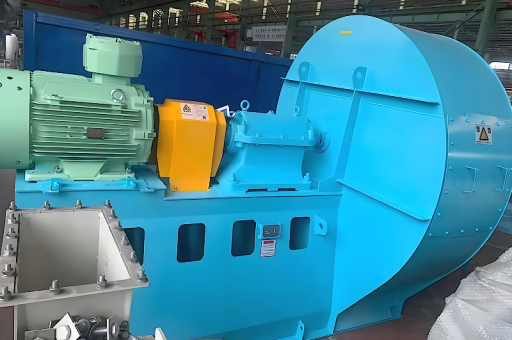
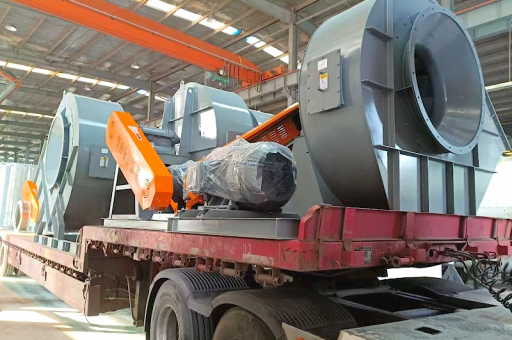
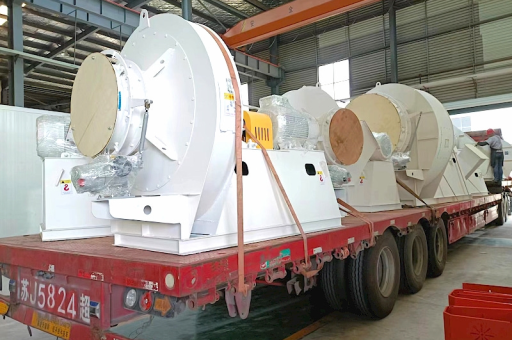
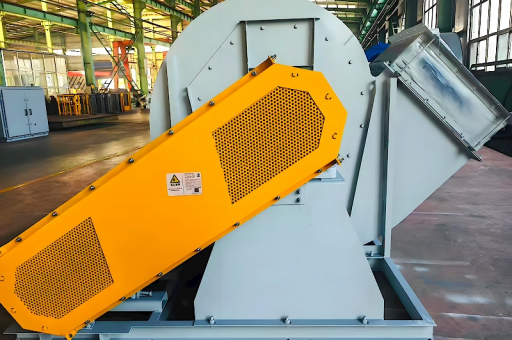
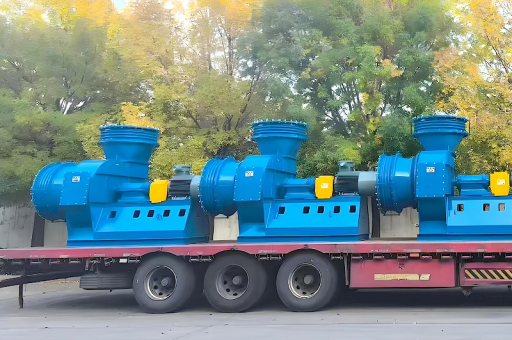
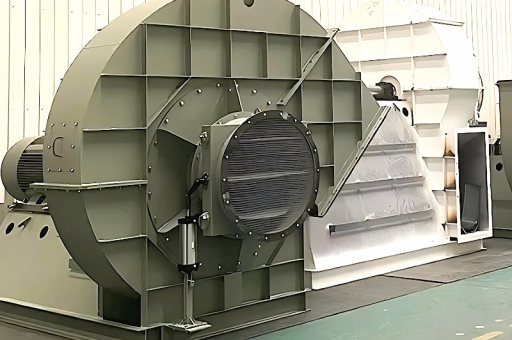
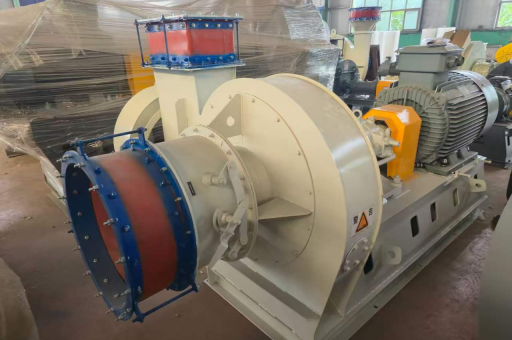
An Acid Mist Conveying Fan is a centrifugal or axial fan specifically constructed to transport air laden with acidic vapors, mists, or droplets. Its primary function is to extract contaminated air from processing tanks, scrubbers, or reaction vessels and convey it through ductwork to a treatment system (e.g., a wet scrubber) or safely discharge it to the atmosphere.
Core Functionality:
- Extraction: Removes hazardous acid fumes (H₂SO₄, HCl, HNO₃) at the source.
- Conveying: Moves high volumes of corrosive gas against duct resistance (static pressure).
- Protection: Prevents acid condensation and corrosion inside the fan and duct system.
Key Design Features: Why Standard Fans Fail in Acidic Environments
Standard carbon steel or galvanized fans quickly degrade in acidic environments. The Acid Mist Conveying Fan incorporates specific design elements to survive:
- Impeller Design: Typically backward-curved or forward-curved blades made of solid plastic or fully coated metal. The impeller must be balanced dynamically to prevent vibration-induced seal failure.
- Housing Construction: Welded or machined from corrosion-proof materials. The housing often features a drain port to remove accumulated acid liquid.
- Shaft Seal: A critical component. Options include mechanical seals, Teflon lip seals, or air purge seals to prevent acid vapor from reaching the motor bearings.
- Motor Isolation: The motor is often mounted on a pedestal (belt-driven) or separated by a vapor barrier to prevent motor winding corrosion.
Material Selection: The Battle Against Corrosion (PP, PVDF, FRP)
The material of the fan is the single most important factor. Common materials include:
| Material | Properties | Best For |
|---|---|---|
| Polypropylene (PP) | Excellent chemical resistance, lightweight, cost-effective | H₂SO₄, HCl, HF up to 80°C |
| PVDF (Polyvinylidene Fluoride) | Superior thermal and chemical resistance, withstands 120°C | High-temp acids, wet chlorine, aggressive solvents |
| FRP (Fiberglass Reinforced Plastic) | High structural strength, customizable resin | Large industrial scrubbers, duct systems |
| Stainless Steel (316L/904L) | Rarely used alone; unless coated | Only for very specific low-concentration acids |
Key Takeaway: For most acid mist applications, PP (Polypropylene) is the most popular choice due to its balance of cost and corrosion resistance. For higher temperatures or extreme acids, PVDF is mandatory.
How to Select the Right Acid Mist Conveying Fan for Your Plant
Selecting the correct fan requires a detailed analysis of your process. Follow this checklist:
- Identify the Acid Type & Concentration: HCl requires different materials than HF (Hydrofluoric acid).
- Determine Gas Temperature: Temperature dictates material choice (PP < 80°C, PVDF < 120°C).
- Calculate Airflow (CFM/m³/h): How much air needs to be moved per minute?
- Calculate Static Pressure (SP): The resistance from ductwork, filters, and scrubbers.
- Choose Drive Type: Direct drive (for small, simple systems) vs. Belt drive (for variable speed, high pressure, or remote motor placement).
- Consider Safety: Use explosion-proof motors if the acid process creates flammable byproducts (like hydrogen gas in battery charging rooms).
Common Industrial Applications
- Electroplating Industry: Extracting chromic acid and nickel mist from plating tanks.
- Steel Pickling Lines: Removing HCl fumes from steel surface treatment.
- Battery Manufacturing: Ventilating sulfuric acid mist during lead-acid battery formation.
- Chemical Processing: Conveying corrosive gases from reactors to scrubbers.
- Laboratory Fume Hoods: Moving mixed acid vapors safely.
Installation Best Practices for Longevity
- Drainage: Install the fan with a slight downward slope toward the inlet or incorporate a bottom drain to prevent liquid pooling.
- Vibration Isolation: Use rubber isolators or spring mounts to reduce mechanical stress on the plastic housing.
- Ductwork Support: Do not let the ductweight hang on the fan casing. Support it separately.
- Access Doors: Install access panels for routine inspection of the impeller and seal.
- Electrical Safety: Ensure the motor is correctly sized and protected by a suitable circuit breaker and thermal overload relay.
Maintenance & Troubleshooting: Avoiding Common Failures
Common Problem: Impeller imbalance or rapid corrosion.
- Root Cause: Ingress of liquid at high condensation rates or incorrect material selection.
- Solution: Ensure the fan operates above the acid dew point. Add a pre-heater if necessary.
Common Problem: Motor burning out.
- Root Cause: Acid vapor leaking through the shaft seal into the motor bearings.
- Solution: Replace the mechanical seal. Consider an air-purge system for the seal area.
Routine Maintenance Schedule:
- Weekly: Visual inspection for leaks; check vibration levels.
- Monthly: Lubricate bearings (if not sealed); clean drain ports.
- Quarterly: Inspect impeller for erosion or stress cracks.
- Annually: Complete seal replacement; verify motor winding insulation resistance.
Frequently Asked Questions (Q&A)
Q1: Can I use a standard exhaust fan for acid mist? A: No. Standard fans are made of steel which will rapidly corrode. This leads to fan imbalance, sparks (fire risk), and sudden failure. Always use a certified Acid Mist Conveying Fan made from PP or PVDF.
Q2: What is the typical lifespan of an acid mist fan? A: With proper material selection (e.g., PP for moderate temps) and regular maintenance, a lifespan of 10-15 years is typical. PVDF fans can last longer in high-temperature applications.
Q3: Why is my fan vibrating? A: Vibration in an acid fan is usually due to:
- Acid buildup on the impeller causing imbalance.
- Worn bearings.
- Damaged impeller blades from erosion. Immediately investigate and clean or replace components.
Q4: What is the difference between a centrifugal and axial acid mist fan? A: Centrifugal fans generate higher pressure and are better for long duct runs and scrubber systems. Axial fans are for high-volume, low-pressure applications like general room ventilation. For acid conveying, centrifugal is the industry standard.
Q5: Do I need a variable frequency drive (VFD)? A: Highly recommended. A VFD allows you to adjust fan speed to match process demand. This saves energy, reduces wear, and allows fine-tuning of airflow without mechanical pulleys.
Conclusion: Investing in Reliability and Safety
The Acid Mist Conveying Fan is a cornerstone of industrial safety and operational efficiency. By understanding the critical role of material science—choosing between PP, PVDF, or FRP—and implementing proper installation and maintenance practices, your facility can achieve reliable, long-term fume extraction. Do not view this fan as a commodity; treat it as a precision asset that protects your workforce and your bottom line. For specific applications, always consult with a fan manufacturer or a certified chemical engineer to validate your selection criteria.
This article provides general guidelines. Always refer to specific technical data sheets from your fan supplier for exact specifications and safety instructions.