This article's table of contents introduction:
- Why Stainless Steel? (The Corrosion Battle)
- Choosing the Right Stainless Steel Grade
- Key Fan Design Features for Plating Shops
- Specific Applications in Electroplating
- Sizing & Installation Tips
- Maintenance (Crucial for Longevity)
- When to choose Stainless Steel vs. FRP
- Summary Recommendation
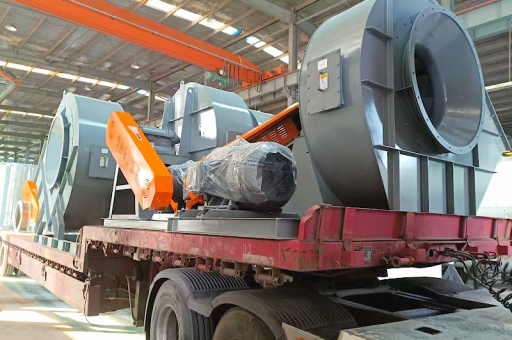
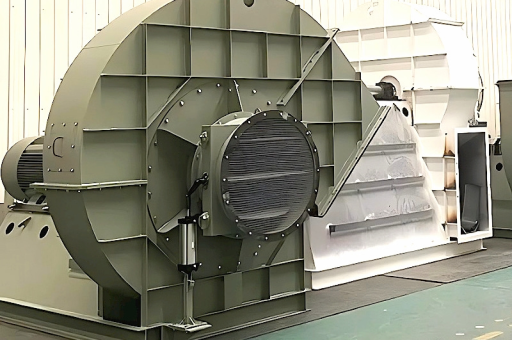
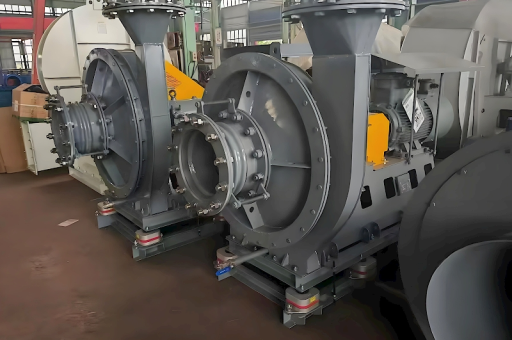
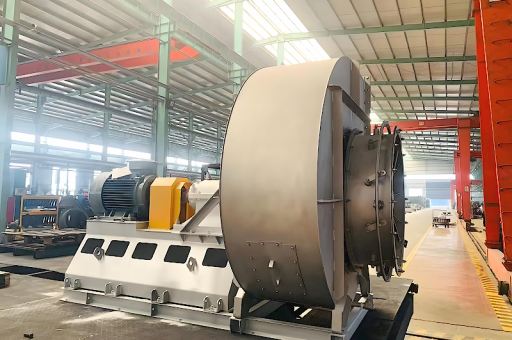
In electroplating workshops, traditional fans often fail quickly due to the corrosive nature of acid mists (sulfuric, hydrochloric, chromic) and alkaline cyanide solutions. Stainless steel fans are the industry standard for these environments, but not all stainless steel is created equal.
Here is a detailed guide on selecting, using, and maintaining stainless steel fans for electroplating workshops.
Why Stainless Steel? (The Corrosion Battle)
Standard galvanized steel or painted mild steel fans will rust and disintegrate within months in a plating shop due to:
- Acid Mists: Etching tanks, pickling tanks, and chrome plating release highly acidic vapors.
- Alkaline Mists: Cyanide baths and caustic cleaning solutions are also corrosive.
- Humidity: Tank evaporation creates 100% humidity, accelerating galvanic corrosion.
Stainless steel forms a self-healing chromium oxide layer that resists this attack, but the specific grade matters.
Choosing the Right Stainless Steel Grade
Do not use standard 304 stainless steel in a plating shop. It will pit and crack under chloride exposure (common in chrome and nickel baths). You need 316L (or higher) .
| Grade | Suitable for | Why | Avoid For |
|---|---|---|---|
| 316L (Low Carbon) | Best Choice for General Plating | Excellent resistance to sulfuric, phosphoric, and acetic acids. Good for alkaline mists. Handles chlorides better than 304. | Hot, concentrated hydrochloric acid; highly oxidizing fumes (hot nitric). |
| 317L | Aggressive Mixed Acid Baths | Higher molybdenum content. Better for reducing acids and high-chloride environments. | Extreme oxidizing conditions. |
| 904L / Sanicro 28 | Chrome Plating / Hydrofluoric Acid | Extremely high corrosion resistance. Necessary for hot chrome mist or HF dips. | High cost; heavy. |
| Duplex 2205 | High-Temp / High-Stress | High strength and excellent SCC (stress corrosion cracking) resistance. Good for large, high-static-pressure fans. | Highly reducing acids. |
Critical Note: If the fan is used for exhausting chrome plating tanks, you must use 316L or higher grade. Standard 304 will corrode rapidly leading to failure and potential hexavalent chromium release.
Key Fan Design Features for Plating Shops
- Impeller Material: Must be same or better grade as the housing. Weldless construction is preferred to avoid weld decay corrosion.
- Drain Ports: The fan scroll housing must have drain holes at the bottom. Condensed acid liquid will pool inside the fan; if not drained, it will eat through the stainless steel housing.
- Shaft Isolation: The fan shaft is often carbon steel. It must be isolated from the airstream using a Teflon (PTFE) shaft seal or a sleeve to prevent corrosion.
- Motor Protection: The motor should be TEFC (Totally Enclosed Fan Cooled) and located outside the airstream. For direct drive, use a sealed motor.
- Belt Drive vs. Direct Drive:
- Belt Drive is safer (motor outside airstream) but belts and pulleys corrode. Use stainless pulleys and change belts often.
- Direct Drive (motor on a pedestal outside duct) is more reliable but requires a longer shaft and a good seal.
- Spark Resistance (FRP vs. SS): If handling explosive solvents or hydrogen gas (evolved from plating), a FRP (Fiberglass Reinforced Plastic) fan is actually safer than stainless steel (non-sparking). However, FRP is less heat resistant. Stainless fans for explosive environments must be rated "non-sparking" (rubber-lined impeller or special alloy).
Specific Applications in Electroplating
| Area | Recommended Fan Type | Notes |
|---|---|---|
| Chrome Plating Exhaust | FRP or 316L SS (with PTFE lining if possible) | Hex chrome is a carcinogen. Fan must be 100% leak-free. |
| Nickel / Copper Plating | 316L SS Fan | Moderate acid mist. Good for general ventilation. |
| Stripping / Etching Tanks (HCl, HNO3) | FRP is superior. | Hydrochloric acid fumes destroy even 316L over time. FRP is better. |
| Cyanide Plating | 316L SS | Alkaline, less corrosive but requires spark-proof design due to cyanide gas. |
| General Room Ventilation | 316L SS Wall Exhaust Fan | Used for general air changes. Avoid ceiling mount (collects mist). |
Sizing & Installation Tips
- Air Velocity: Duct velocity should be > 2,000 FPM (feet per minute) to prevent condensation and acid droplets settling in the ductwork.
- Static Pressure: Plating hoods and scrubbers create high pressure drop. Ensure the fan motor is sized for this (often 3-5" w.g.).
- Location: Mount the fan after a scrubber if possible. This reduces the acid load on the fan. If the fan is between the tank and scrubber (pulling from the tank and pushing through the scrubber), it will see the highest corrosive load.
Maintenance (Crucial for Longevity)
- Daily Visual Check: Listen for abnormal noise (sign of bearing failure due to corrosion).
- Weekly: Check drain ports. Ensure they are clear. Flush the fan wheel with water if possible (only if safe for the fume line).
- Monthly: Inspect the impeller for pitting, cracking, or imbalance. Use a strobe light if possible while running.
- Quarterly: Check belt tension and belt condition (if belt drive). Lubricate bearings with high-temperature, corrosion-resistant grease.
- Annually: Perform a complete teardown inspection. Check the shaft seal and bearing condition.
When to choose Stainless Steel vs. FRP
| Feature | Stainless Steel (316L+) | FRP (Fiberglass) |
|---|---|---|
| Cost | Medium-High | Low-Medium |
| Corrosion Resistance | Good (depends on acid) | Excellent (almost all acids) |
| Heat Resistance | Excellent (up to 800°F) | Poor (up to 200°F max) |
| Spark Resistance | Poor (can spark if metal hits) | Excellent (inherently non-sparking) |
| Weight | Heavy | Light |
| Repairability | Easily welded | Difficult (needs resin bonding) |
| Chrome Plating | Good (with PTFE lining) | Best |
Summary Recommendation
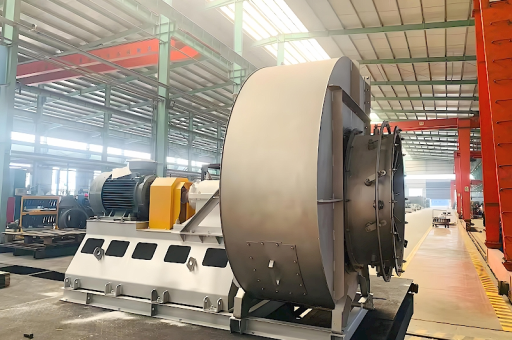
- For general electroplating (Ni, Cu, Zn, Alkaline): Buy a 316L stainless steel centrifugal fan with a belt drive, TEFC motor, and bottom drain.
- For chrome plating or HCl/HF fumes: Choose FRP (Fiberglass) or a 316L fan with a PTFE (Teflon) coating .
- For explosion-proof (hydrogen gas): Choose FRP (non-sparking) or a Certified Explosion-Proof SS fan (high cost).
Key Vendors: Look for industrial fan manufacturers specializing in chemical exhaust (e.g., New York Blower, Greenheck, Twin City Fan, Air Plastics). Specify "316L SS, Weldless Impeller, Acid Mist Duty."