This article's table of contents introduction:
- Table of Contents
- Introduction: Why Air Quality Matters in Aquaculture
- The Unique Environmental Challenges of Aquaculture Farms
- Why Stainless Steel? Material Science and Corrosion Resistance
- Key Features of High-Performance Stainless Steel Exhaust Fans
- Installation Best Practices for Maximum Airflow and Longevity
- Energy Efficiency and Operational Cost Savings
- Maintenance and Cleaning Protocols for Harsh Conditions
- Frequently Asked Questions (FAQ)
- Conclusion: Investing in Long-Term Farm Health
Table of Contents
- Introduction: Why Air Quality Matters in Aquaculture
- The Unique Environmental Challenges of Aquaculture Farms
- Why Stainless Steel? Material Science and Corrosion Resistance
- Key Features of High-Performance Stainless Steel Exhaust Fans
- Installation Best Practices for Maximum Airflow and Longevity
- Energy Efficiency and Operational Cost Savings
- Maintenance and Cleaning Protocols for Harsh Conditions
- Frequently Asked Questions (FAQ)
- Conclusion: Investing in Long-Term Farm Health
Introduction: Why Air Quality Matters in Aquaculture
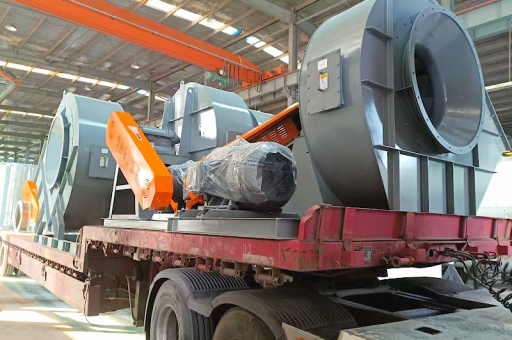
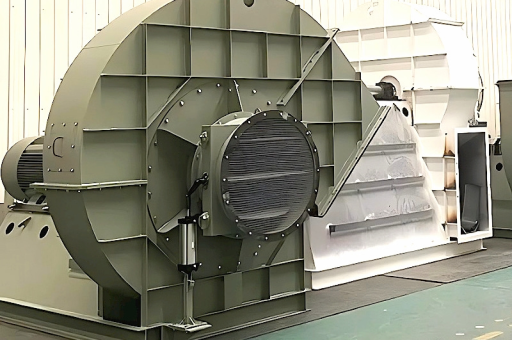
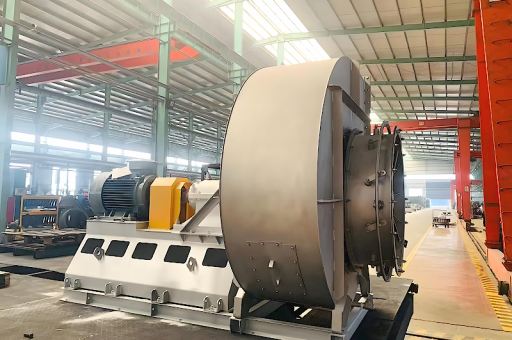
In intensive aquaculture operations—whether for shrimp, tilapia, salmon, or catfish—water quality receives most of the attention. However, air quality above the water surface is equally critical. High humidity, ammonia fumes from decomposing feed and waste, hydrogen sulfide, and carbon dioxide accumulation can stress fish, reduce growth rates, and increase mortality. Stainless steel exhaust fans for aquaculture farms have emerged as an essential solution to remove stale, contaminated air and bring in fresh oxygen. Unlike standard fans, these units are engineered to withstand the most aggressive corrosive environments while delivering consistent ventilation.
The Unique Environmental Challenges of Aquaculture Farms
Aquaculture facilities present a combination of stressors rarely seen in other industrial settings:
- Constant High Humidity: Relative humidity often exceeds 90%, leading to condensation on metal surfaces.
- Corrosive Gases: Ammonia (NH₃) and hydrogen sulfide (H₂S) are released from water and sludge. These gases rapidly attack standard galvanized steel.
- Salt or Brackish Water Aerosols: Many farms operate in coastal or saline environments where salt particulates accelerate rust.
- Temperature Fluctuations: Recirculating aquaculture systems (RAS) often maintain warm water (25–30°C), creating a warm, wet atmosphere ideal for microbial growth.
A standard fan with a painted or galvanized housing can fail within 6–12 months in such conditions. This is where stainless steel exhaust fans for aquaculture farms become a non-negotiable investment.
Why Stainless Steel? Material Science and Corrosion Resistance
Not all stainless steel is created equal. For aquaculture, the most common grades used are SS304 and SS316.
- SS304 (18/8 Stainless Steel): Offers good resistance to moisture and mild chemicals. Suitable for freshwater farms with moderate humidity.
- SS316 (Marine Grade): Contains molybdenum (2–3%) for superior resistance to chlorides and sulfuric compounds. Essential for saltwater, brackish water, or farms using ozone disinfection, which creates highly oxidizing conditions.
Stainless steel forms a passive chromium oxide layer that self-repairs when scratched, provided oxygen is present. This layer prevents pitting corrosion, crevice corrosion, and stress corrosion cracking—all common failure modes in aquaculture environments.
Real-world data: A study by the National Institute of Fisheries Science found that SS316 fan housings lasted 4.2 times longer than coated carbon steel equivalents in shrimp pond aeration houses.
Key Features of High-Performance Stainless Steel Exhaust Fans
When selecting stainless steel exhaust fans for aquaculture farms, look for these engineering specifications:
- Fully Welded Construction: Avoid fans with bolted or spot-welded joints where moisture can creep in. Continuous TIG welding eliminates crevices.
- Sealed Motor Enclosures: IP55 or IP66 rated motors prevent water ingress from washdowns and condensation.
- Belt-Driven vs. Direct-Drive: Belt-driven fans allow motor placement outside the airstream (in a dry zone), extending motor life significantly. Direct-drive is simpler but exposes the motor to corrosive air.
- Backward-Curved Impellers: These are self-cleaning and less prone to dust and salt buildup compared to forward-curved blades.
- Bird and Insect Screens: Stainless steel mesh on intake/exhaust prevents wildlife entry, which is critical for biosecurity.
Installation Best Practices for Maximum Airflow and Longevity
Even the best fan will underperform if installed incorrectly. Follow these guidelines:
- Mount on an Exterior Wall with a Rain Hood: Protect the fan from direct rain and sun exposure. Use a stainless steel weather louver.
- Create a Negative Pressure Gradient: Place exhaust fans near the ceiling (where hot, humid, and ammonia-rich air accumulates) and passive intake vents low on the opposite wall.
- Separate by Production Zone: Install independent fan zones for nursery, grow-out, and harvest areas to prevent cross‑contamination.
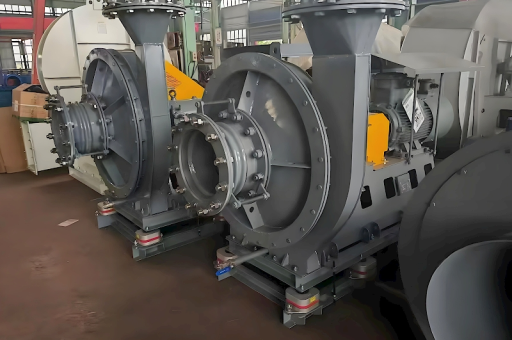
- Use Vibration Isolators: Stainless steel fans are heavy. Rubber or spring isolators reduce noise and prevent structural stress.
Pro Tip: In large RAS farms, pair your exhaust fans with a wind turbine on the roof. A wind turbine provides passive ventilation during power outages or low-demand periods, reducing reliance on electric fans and improving energy resilience.
Energy Efficiency and Operational Cost Savings
Modern stainless steel exhaust fans for aquaculture farms are designed for low energy consumption:
- EC Motors (Electronically Commutated): Deliver 30–50% higher efficiency than standard AC motors. They allow variable speed control based on real-time air quality sensors.
- High Static Pressure Capability: Aquaculture ducts often have long runs and filters. A fan that moves 10,000 CFM at 1.5 in. w.g. (inches water gauge) is ideal for ducted systems.
- Automatic Shutters: Motorized stainless steel shutters close when the fan is off, preventing backdrafts and heat loss.
A 2 HP stainless steel exhaust fan running 18 hours/day in a medium shrimp farm can save between $400 and $800 per year in electricity versus an older, inefficient standard fan.
Maintenance and Cleaning Protocols for Harsh Conditions
Stainless steel is durable, but it is not maintenance-free. Implement a cleaning schedule:
- Weekly: Spray fan blades and housing with fresh water to remove salt and dust. Use a non‑chloride cleaner (e.g., mild detergent).
- Monthly: Inspect the motor fan shroud and check bearing greasing. SS316 bearings with sealed housings reduce this frequency.
- Quarterly: Check V-belt tension and alignment if belt‑driven. Replace belts showing cracks or glazing.
- Annually: Perform full electrical insulation resistance testing. Tighten all mounting bolts. Remove the impeller and clean the hub.
Caution: Never use hydrochloric acid or bleach-based cleaners on stainless steel. They destroy the passivation layer. Use only products specifically labeled for stainless steel.
Frequently Asked Questions (FAQ)
Q1: Can I use a standard kitchen exhaust fan in my aquaculture farm?
No. Standard kitchen fans are not sealed against moisture and will corrode within weeks. You need an industrial-grade stainless steel exhaust fan with an IP55 motor and acid-resistant coatings.
Q2: How do I calculate the required CFM (cubic feet per minute) for my farm?
A common rule for aquaculture is 8–12 air changes per hour. Multiply your room volume (length × width × height) by 10, then divide by 60. For example, a 50’ × 20’ × 10’ room = 10,000 cu ft × 10 = 100,000 cu ft/hr ÷ 60 = ~1,667 CFM minimum.
Q3: Is SS304 good enough for saltwater shrimp farms?
SS304 can work if kept clean and not exposed to direct salt spray. However, SS316 is strongly recommended for any coastal farm or facility using ozone or chlorine disinfection.
Q4: How long should a stainless steel exhaust fan last?
With proper selection (SS316) and routine cleaning, the housing can last 15–20 years. Motors typically need replacement every 5–8 years depending on run time and environment.
Q5: Should I combine exhaust fans with a wind turbine?
Absolutely. A wind turbine on the roof provides continuous passive ventilation regardless of power availability. This reduces electrical load and ensures fresh air exchange even if the power goes out—critical for emergency oxygen management.
Conclusion: Investing in Long-Term Farm Health
Selecting stainless steel exhaust fans for aquaculture farms is not merely a purchasing decision; it is a strategic investment in biosecurity, animal welfare, and operational longevity. The combination of a well-designed SS316 fan system, proper installation, and complementary passive ventilation like a wind turbine creates a resilient environment where fish and shrimp can thrive. While the upfront cost is higher than standard alternatives, the 3–5x longer service life, reduced mortality rates, and lower energy consumption deliver a clear return on investment within the first two production cycles.
For farm managers serious about maximizing yields while minimizing equipment downtime, upgrading to industrial-grade, corrosion-proof ventilation is one of the most impactful steps you can take.