This article's table of contents introduction:
- What is it?
- Key Specifications (Typical for 5.5 kW model)
- Primary Applications (Boiler Exhaust)
- Critical Design Features for Boiler Duty
- Choosing / Buying Considerations
- Summary for a Purchaser
This appears to be a search query or a product description for a 5 kW Centrifugal Blower used as a Boiler Exhaust Fan.
Here is a detailed breakdown of what this equipment is, its likely specifications, applications, and key considerations.
What is it?
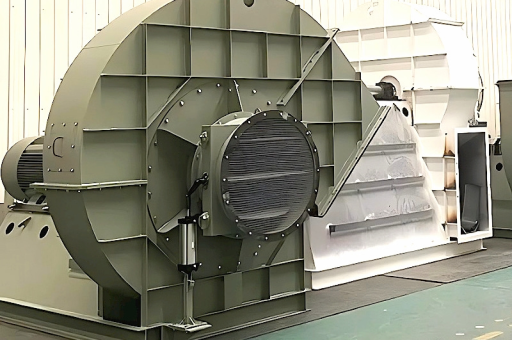
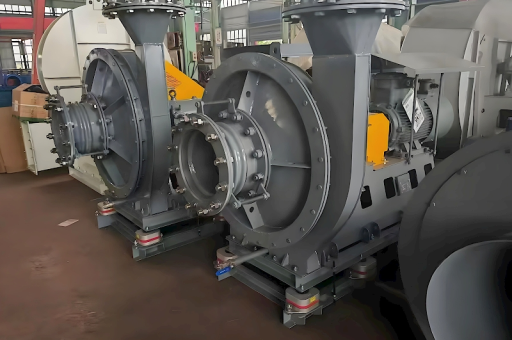
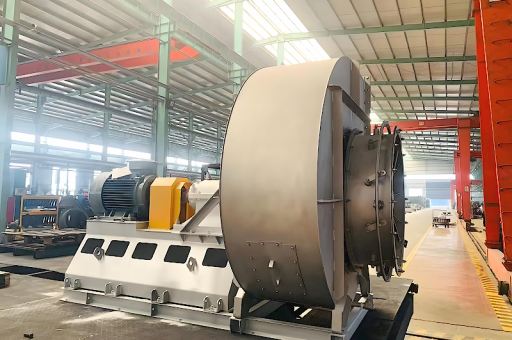
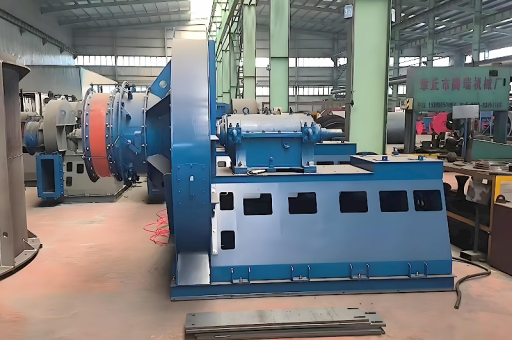
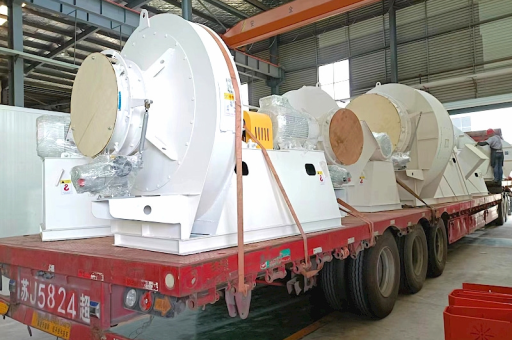
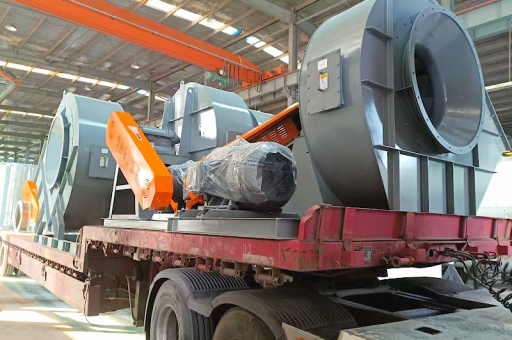
A Centrifugal Blower (or fan) uses a rotating impeller to increase the pressure and velocity of air or gas. When used as a Boiler Exhaust Fan (often called an Induced Draft Fan or ID Fan), its job is to suck hot flue gases out of the boiler and push them up the chimney or into an exhaust treatment system.
Key Specifications (Typical for 5.5 kW model)
- Power: 5.5 kW (Kilowatts) = ~7.5 HP (Horsepower).
- Voltage: Typically 3-Phase (415V in many regions), but single-phase options may exist for smaller units.
- Airflow (CFM/m³/hr): Highly variable based on fan design (impeller size, RPM). A 5.5 kW fan usually moves a significant volume, likely 8,000 – 15,000 m³/hr (4,700 – 8,800 CFM) or more, depending on static pressure.
- Static Pressure: High, designed to overcome resistance from the boiler, ductwork, and heat exchanger. Expect 100 – 300 mmWC (Water Column) or more.
- Impeller Type:
- Backward Curved: More efficient, non-overloading (safe for duct blockages).
- Radial (Paddle Wheel): Rugged, self-cleaning, ideal for dirty flue gas (ash/particles).
- Material: Often Carbon Steel or Stainless Steel (SS304/SS316) for high-temperature and corrosive gas resistance.
- Operating Temperature: Can handle 150°C to 300°C standard, with high-temperature versions using special bearings and shaft cooling.
Primary Applications (Boiler Exhaust)
- Industrial Boilers (2 – 10 Ton/hr): Drawing flue gas from the economizer or air preheater.
- Incinerators: Moving hot, corrosive exhaust.
- Furnaces & Kilns: Extracting hot air or combustion gases.
- Dust Collection: Removing particulate-laden air from industrial processes.
Critical Design Features for Boiler Duty
- Heat Slingers / Cooling Discs: Mounted on the shaft between the bearing and the housing to prevent heat transfer to the bearings.
- Bearing Type: High-temperature bearings (grease or oil-lubricated) with possible external cooling fins.
- VFD Compatibility: Variable Frequency Drive is highly recommended to control speed and match boiler load precisely, saving energy.
- Corrosion Protection: Acid-resistant coatings or SS construction if burning high-sulfur fuels (which create acidic condensation).
Choosing / Buying Considerations
- Is it Backward Curved or Radial? Radial (Paddle) is better for dirty gas. Backward Curved is better for energy efficiency.
- What is the Static Pressure (SP) required? A common mistake is buying a fan with enough airflow (m³/hr) but insufficient pressure to overcome the boiler's resistance.
- What is the gas temperature? Standard motors (IP55) cannot be in the direct airstream if the gas is above ~80°C. The motor must be mounted on a pedestal or have a heat slinger.
- What fuel is burned? Natural gas (cleaner), Oil, or Solid Fuel (Coal/Biomass)? Solid fuel requires a fan designed for abrasion and build-up.
- Compliance: Ensure it meets local standards (e.g., ISO, CE, AMCA).
Summary for a Purchaser
If you are looking for a 5 kW Centrifugal Blower Boiler Exhaust Fan, you need a medium-duty, high-pressure, heat-resistant fan. Ensure it matches your boiler's exhaust volume (in m³/hr) and draft requirement (in Pa or mmWC). Always specify the maximum gas temperature to the supplier.
Example supplier products you might search for: "Cousins 5.5kW ID Fan", "Ventax 5.5kW Boiler Exhaust Blower", or similar local manufacturers of industrial process fans.