This article's table of contents introduction:
- What is a 15 kW Centrifugal Blower (Boiler Exhaust Fan)?
- Typical Specifications (Approximate)
- Common Impeller Types for Boiler Exhaust
- Key Design Features for Boiler Exhaust
- Applications (Where you see this fan)
- Critical Considerations for Selection
- Typical Price Range (Indicative, 2024)
- Need a specific quote or more detail?
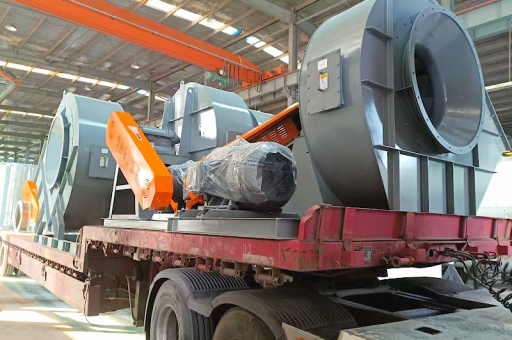
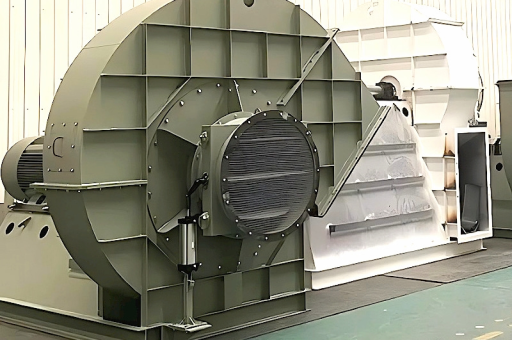
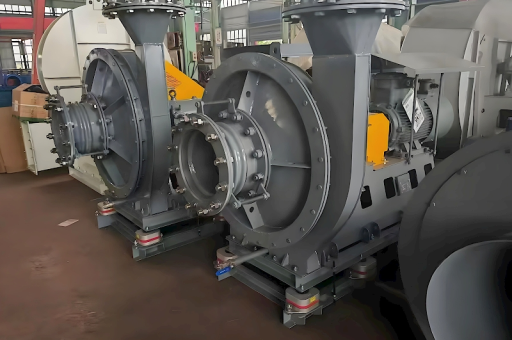
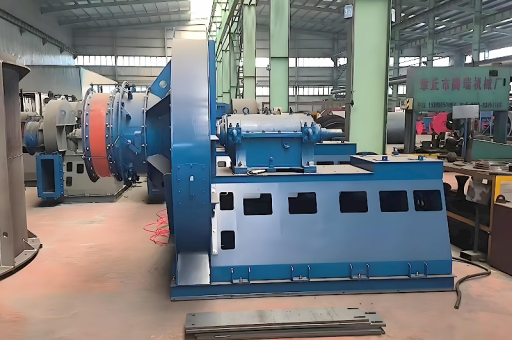
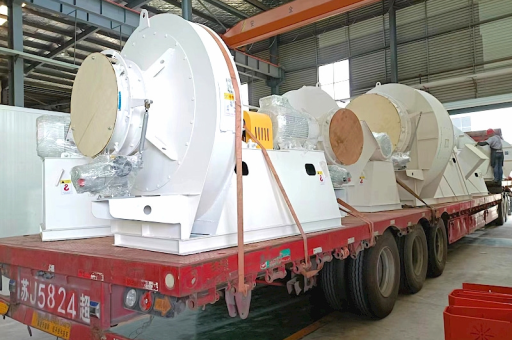
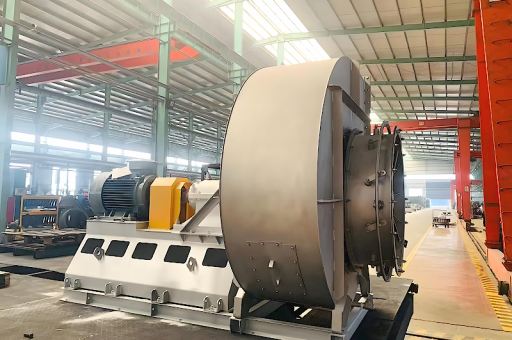
It sounds like you are looking for information or specifications on a 15 kW centrifugal blower used as a boiler exhaust fan (often called an ID Fan or Induced Draft Fan).
Here is a breakdown of what this typically entails, including typical specifications, applications, and important considerations.
What is a 15 kW Centrifugal Blower (Boiler Exhaust Fan)?
This is a medium-to-large industrial fan designed to pull flue gases (exhaust) from a boiler system and expel them through a chimney or stack. The "15 kW" refers to the motor power, which is significant (roughly 20 HP).
Typical Specifications (Approximate)
- Motor Power: 15 kW (20 HP)
- Motor Speed: 1450 RPM or 2900 RPM (4-pole vs. 2-pole motor). 4-pole (1450 RPM) is more common for heavy-duty exhaust.
- Airflow (CFM / m³/hr): Depends heavily on pressure, but a 15kW fan might move between 15,000 to 30,000 m³/hr (8,800 to 17,600 CFM) at medium pressure.
- Static Pressure: Typically 2,000 to 4,000 Pa (8 to 16 inches w.g.) for boiler applications.
- Impeller Type: Backward Curved (most efficient for clean gas) or Radial / Paddle Wheel (for dirty or particle-laden gas).
- Temperature Rating: 150°C to 250°C (standard), or 350°C+ (with special shaft cooling and high-temp bearings).
Common Impeller Types for Boiler Exhaust
- Backward Curved / Backward Inclined (BC/BI):
- Best for: Clean natural gas boilers.
- Pros: High efficiency, lower power consumption, non-overloading motor characteristic.
- Radial Tip / Paddle Wheel:
- Best for: Biomass, coal, or heavy oil boilers (where dust and particulate are present).
- Pros: Self-cleaning, handles sticky or abrasive materials, robust.
- Cons: Less efficient, louder, requires more motor power.
Key Design Features for Boiler Exhaust
- High-Temperature Bearings: Standard ball bearings fail above 80-100°C. For boiler exhaust, the fan needs:
- Shaft cooling fins (on the fan housing).
- High-temperature grease or oil lubrication.
- Ventilated bearing housing.
- Expansion Joints: To handle thermal expansion of the ductwork.
- Variable Speed Drive (VFD): Most modern boiler fans run on a VFD to modulate airflow based on boiler demand, saving significant energy.
- Material: Usually Carbon Steel (MS) for standard temps, or Corten Steel / Stainless Steel 304/316 for corrosive flue gas (e.g., from heavy fuel oil or high-sulfur coal).
Applications (Where you see this fan)
- Industrial Steam Boilers (10-30 ton/h range)
- Thermic Fluid Heaters
- Hot Air Generators
- Furnace Exhaust Systems
Critical Considerations for Selection
- Temperature: The fan must be rated for the continuous exhaust temperature of your boiler. Fan brakes often have a thermal limit of 80-90°C; if the gas is hotter, you need a shaft cooling fan.
- Dust Load: If the boiler burns solid fuel (wood chips, coal, pellets), you must use a radial blade fan to avoid clogging.
- Motor Protection: The motor must be sized to handle the cold air density (startup) – sometimes 20-30% higher power than the running load.
- Vibration Monitoring: Standard for fans >5 kW. The fan base should be heavy and rigid.
Typical Price Range (Indicative, 2024)
- New, Standard Model: $2,000 – $5,000 USD (fan + motor + base)
- Custom / High-Temp / Special Alloy: $5,000 – $12,000+ USD
Need a specific quote or more detail?
To give you a specific model or recommendation, I would need the following boiler data:
- Gas flow rate (m³/hr or CFM): _
- Temperature of exhaust gas at fan: _ °C
- Static pressure required (Pa or mmWC): _
- Fuel type (Gas, Oil, Biomass, Coal): _
- Altitude: _
Are you looking to:
- Buy a new fan?
- Troubleshoot an existing one (vibration, low flow, overheating motor)?
- Replace a motor on an existing fan?