The Ultimate Guide to Stainless Steel Corrosion-Resistant Axial Flow Fans: Applications, Benefits, and Selection
Table of Contents
- Introduction to Stainless Steel Corrosion-Resistant Axial Flow Fans
- Why Stainless Steel? Understanding Corrosion Resistance
- Key Applications Across Industries
- Design Features and Engineering Excellence
- How to Select the Right Fan for Your Environment
- Frequently Asked Questions (FAQ)
- Maintenance and Longevity Tips
- Future Trends and Innovations
Introduction to Stainless Steel Corrosion-Resistant Axial Flow Fans
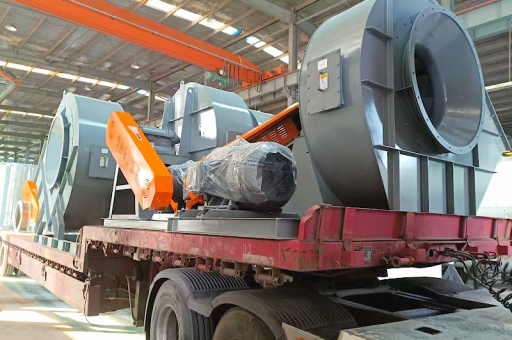
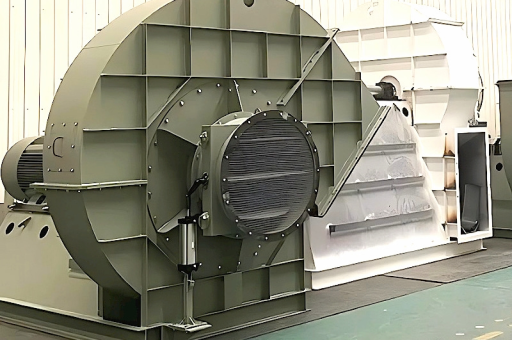
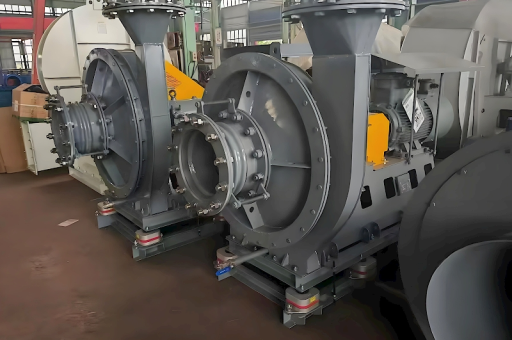
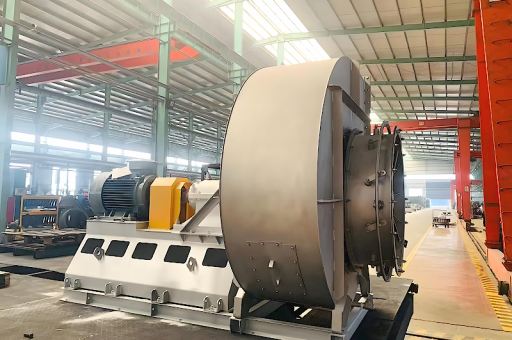
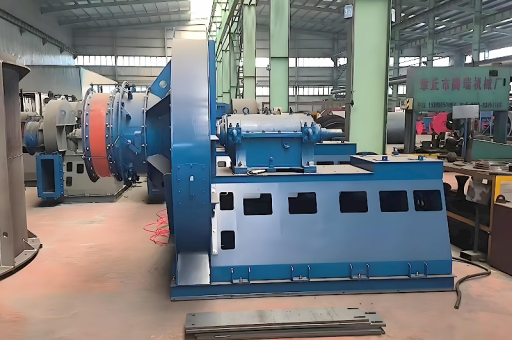
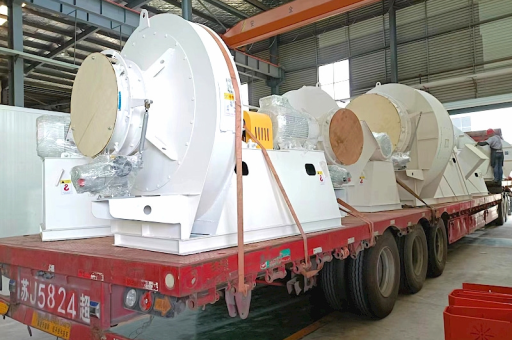
In industrial environments where air movement is critical but corrosive elements are present, standard ventilation equipment quickly fails. This is where stainless steel corrosion-resistant axial flow fans become indispensable. Unlike traditional carbon steel fans, these units are engineered to withstand moisture, chemicals, salt spray, and high humidity without rusting or degrading.
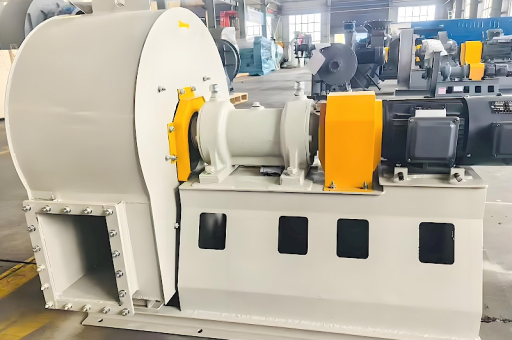
Axial flow fans work by moving air along the axis of the fan blades, creating high-volume airflow at relatively low pressure. When constructed from stainless steel—typically grades 304 or 316—they become durable workhorses for demanding settings such as chemical plants, marine facilities, wastewater treatment plants, and offshore wind turbines.
Why does this matter? Corrosion-related failures cause costly downtime, safety hazards, and frequent replacements. By investing in stainless steel axial fans, industries ensure continuous operation, lower maintenance costs, and compliance with strict hygiene or safety standards.
Why Stainless Steel? Understanding Corrosion Resistance
The core advantage of these fans lies in their material composition. Stainless steel contains chromium, which forms a passive oxide layer on the surface. This layer self-repairs when exposed to oxygen, preventing rust.
Common grades used:
- Stainless Steel 304 (SS304): Ideal for food processing, breweries, and mild chemical environments.
- Stainless Steel 316 (SS316): Contains molybdenum, offering superior resistance to chlorides, saltwater, and aggressive acids. Perfect for marine applications and wind turbine cooling systems.
Comparison with other materials: | Material | Corrosion Resistance | Cost | Typical Lifespan | |----------|----------------------|------|------------------| | Carbon Steel | Low | Low | 2–5 years in harsh environments | | Aluminum | Moderate | Medium | 5–8 years | | SS304 | High | Medium-High | 10–15 years | | SS316 | Very High | High | 15–20+ years |
Question: "Is stainless steel truly rust-proof?"
Answer: No material is 100% rust-proof, but stainless steel is rust-resistant. Under extreme conditions (e.g., concentrated hydrochloric acid), even SS316 may corrode. However, for most corrosive environments, it far outperforms alternatives.
Key Applications Across Industries
Stainless steel corrosion-resistant axial flow fans are not niche products—they power ventilation in critical sectors:
A. Chemical Processing Plants
- Challenge: Exposure to acid vapors, alkaline mist, and volatile organic compounds (VOCs).
- Solution: SS316 fans with explosion-proof motors move hazardous fumes away from workspaces.
B. Wastewater Treatment Facilities
- Challenge: High humidity, hydrogen sulfide (H₂S) gas, and chlorine.
- Solution: Axial fans with stainless steel housings and blades resist pitting and cracking.
C. Marine and Offshore Wind Turbines
- Challenge: Salt spray, high winds, and constant moisture.
- Solution: Compact SS316 axial fans cool generators and electronics inside wind turbine nacelles, preventing overheating and corrosion-induced failures.
D. Food & Beverage Industry
- Challenge: Washdown environments with cleaning chemicals and steam.
- Solution: SS304 fans with smooth surfaces resist bacterial growth and meet FDA standards.
E. Pharmaceutical and Clean Rooms
- Challenge: Strict hygiene and sterile airflow control.
- Solution: Stainless fans with sealed bearings prevent particle contamination.
Question: "Can these fans be used in a wind turbine?"
Answer: Absolutely. Many wind turbine designs incorporate stainless steel axial flow fans for cooling power converters and gearboxes. Their corrosion resistance is vital in coastal or offshore wind farms.
Design Features and Engineering Excellence
Modern stainless steel corrosion-resistant axial flow fans integrate several advanced features:
- Blade Design: Aerodynamically optimized blades (often computer-modeled) reduce noise and energy consumption by up to 30% compared to older designs.
- Sealed Bearings: Double-sealed stainless steel or ceramic bearings prevent lubricant washout and contamination.
- IP Ratings: Typical enclosures range from IP55 (dust and water jets) to IP66 (powerful water jets). For wind turbine use, IP66 is common.
- Weld Quality: All welds are ground smooth to eliminate crevice corrosion sites.
- Motor Protection: TEFC (Totally Enclosed Fan Cooled) motors with stainless steel frames.
Table: Comparison of Standard vs. Stainless Steel Axial Fans
| Feature | Standard Carbon Steel Fan | Stainless Steel Fan |
|---|---|---|
| Lifespan in corrosive area | 1–3 years | 10–15 years |
| Maintenance frequency | Quarterly | Annually |
| Noise level at 100 CFM | 65 dB | 55 dB |
| Weight | Heavy | Lighter (thin-wall stainless) |
How to Select the Right Fan for Your Environment
Choosing the correct stainless steel corrosion-resistant axial flow fan requires analyzing four factors:
- Corrosive Agents: Identify chemicals (e.g., chlorine, acids, salt). Use SS316 for chlorides; SS304 for mild acids.
- Temperature Range: Stainless steel handles temperatures from -40°F to +400°F. For extreme heat, request high-temperature seals.
- Airflow Requirements: Calculate CFM (cubic feet per minute) based on room volume and air changes per hour.
- Mounting Location: For wind turbine nacelles, choose compact, reversible-flow models that can operate in any orientation.
Question: "How do I know if I need an axial fan or a centrifugal fan?"
Answer: Axial fans move large air volumes at low pressure—ideal for general ventilation. Centrifugal fans generate higher pressure for ductwork. For cooling a wind turbine, axial fans are typically sufficient unless long ducts are involved.
Frequently Asked Questions (FAQ)
Q1: Are all stainless steel fans the same?
No. Differences include material grade (304 vs. 316), surface finish, bearing type, and motor certification. Always specify the exact environment.
Q2: Can I retroactively install a stainless steel fan in an existing wind turbine?
Yes, but ensure the mounting flange and electrical compatibility match. Many wind turbine upgrades replace carbon steel fans with SS316 versions.
Q3: How often should I clean these fans?
In non-coastal areas: annually. In coastal or chemical environments: every 6 months. Use a soft brush and mild detergent—avoid abrasive cleaners.
Q4: Do stainless steel fans reduce energy costs?
Yes. Higher-grade stainless allows thinner, lighter blades, reducing motor load. Premium motors (IE3 or NEMA Premium) further cut energy use by 15–25%.
Q5: What certifications matter?
Look for UL/CSA, ATEX for explosive environments, and IP66 for wind turbine exposure.
Maintenance and Longevity Tips
Even corrosion-resistant fans need care:
- Inspect blades monthly: Check for pitting, deposits, or imbalance.
- Lubricate bearings: Use high-temperature, waterproof grease every 5000 operating hours.
- Tighten bolts: Vibration loosens stainless hardware—use loctite for wind turbine installations.
- Replace gaskets: Aging gaskets allow moisture ingress. Use silicone or EPDM for chemical resistance.
Case example: A coastal wind turbine farm replaced carbon steel fans with SS316 axial units. Downtime dropped from 12 days/year to 1 day/year over three years.
Future Trends and Innovations
The market for stainless steel corrosion-resistant axial flow fans is evolving rapidly:
- Smart Fans: IoT-enabled sensors monitor vibration, temperature, and airflow in real-time, predictive maintenance reduces failures.
- Hybrid Materials: Some manufacturers combine stainless steel with composite blades for lighter weight and even better corrosion resistance.
- Energy Regeneration: Advanced fans capture kinetic energy from exhaust airflow to reduce total power draw.
- Wind turbine integration: As offshore wind expands, demand for compact, high-efficiency SS316 fans will triple by 2030.
Question: "Will these fans become cheaper in the future?"
Answer: Material costs for stainless steel are stable, but manufacturing automation may lower prices. However, demand for premium corrosion resistance will keep high-grade fans from falling significantly.
Conclusion
Stainless steel corrosion-resistant axial flow fans are not just a premium choice—they are a necessary investment for industries facing corrosive challenges. From chemical plants to offshore wind turbines, these fans deliver reliable, long-lasting performance that standard equipment cannot match. By understanding material grades, design features, and maintenance needs, you can select the ideal fan for your unique environment.
Whether you are upgrading a wind turbine cooling system or building a new chemical facility, prioritize stainless steel. The upfront cost is quickly recouped through reduced downtime, lower energy bills, and extended equipment life.
Ready to explore options? Consult with a ventilation engineer who specializes in her important to match the fan’s IP rating, material grade, and airflow capacity to your specific corrosive load.