This article's table of contents introduction:
- Key Operational Challenges (Why they are "Special")
- Critical Design & Material Considerations
- Common Types of Chemical Waste Gas Fans
- Regulatory & Industry Standards
- Selection & Specification Checklist
- Key Manufacturers
- Common Failure Modes & Prevention
- Summary
Here is a comprehensive overview of chemical waste gas treatment fans, covering their purpose, key considerations, selection criteria, and common types.
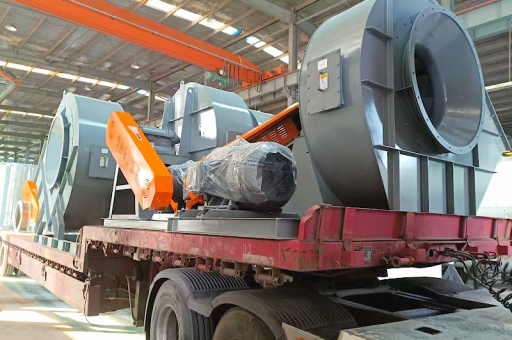
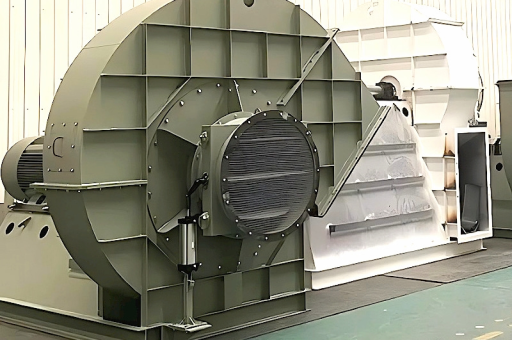
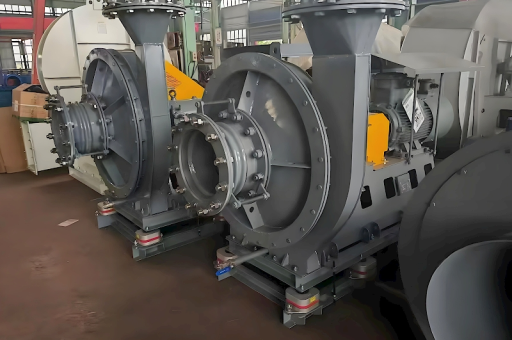
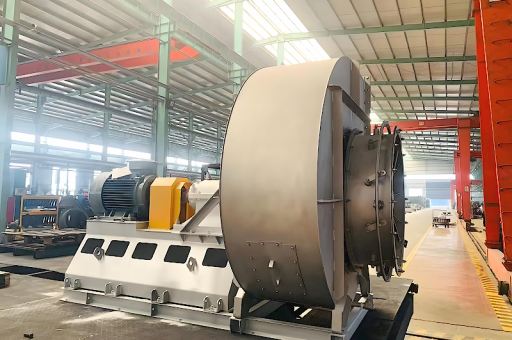
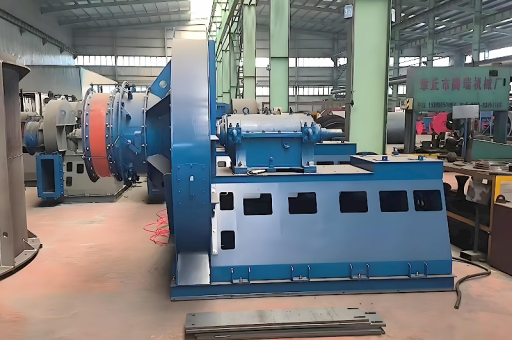
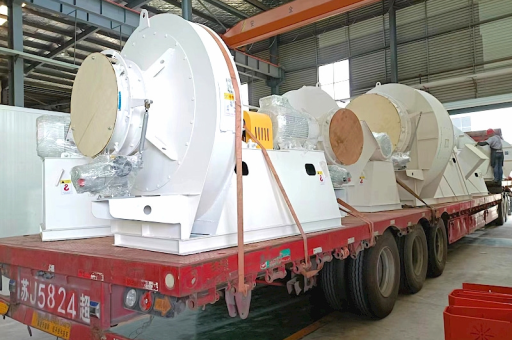
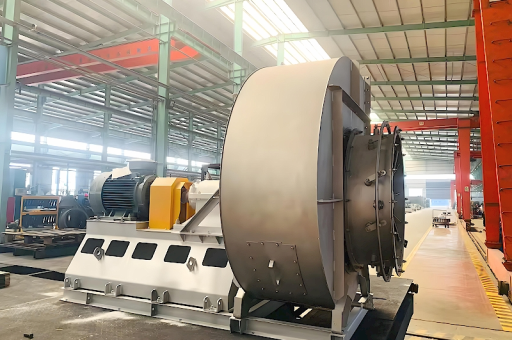
Chemical waste gas treatment fans are specialized industrial fans designed to move corrosive, toxic, flammable, or otherwise hazardous air streams through pollution control systems (scrubbers, thermal oxidizers, carbon adsorbers, etc.). They are the "lungs" of a chemical processing plant, responsible for maintaining negative pressure in fume hoods and ductwork, and for pushing gases through treatment media.
Key Operational Challenges (Why they are "Special")
Unlike standard HVAC fans, these units must withstand extreme conditions:
- Corrosion: The primary challenge. Gases may contain acids (HCl, H₂SO₄, HF), alkalis, or organic solvents.
- High Temperatures: Process gases can be hot (e.g., exhaust from reactors or dryers). In thermal oxidizer systems, fans may handle gases up to 500°C (932°F) or higher.
- Explosion/Flammability: Many VOCs (Volatile Organic Compounds) and solvents (e.g., acetone, toluene, hydrogen) are explosive. Fans must be spark-resistant (ATEX/IECEx rated).
- Stickiness & Fouling: Some exhaust streams contain sticky particulates, resins, or condensable vapors that can build up on the impeller, causing imbalance and vibration.
- Variable Flow & Pressure: The system may need to handle fluctuating process conditions, requiring a fan with a stable performance curve and good turndown ratio.
Critical Design & Material Considerations
Choosing the right fan requires a detailed understanding of the gas stream:
| Factor | Consideration |
|---|---|
| Gas Composition | Identify all components (acids, bases, solvents, water vapor, particulates, moisture). A single ppm of an aggressive gas can destroy a standard fan. |
| Temperature | Determine continuous operating temperature, peak temperature, and ambient conditions. Affects material choice and thermal expansion. |
| Corrosion Resistance | FRP (Fiberglass Reinforced Plastic): Excellent for wet, acidic gases (e.g., HCl scrubbers). Lightweight but limited temperature (~100-120°C). PP (Polypropylene) & PVC: Good for low-temperature, highly corrosive fumes. Limited strength. Stainless Steel (316L, 904L, Duplex): For high-temperature or mildly corrosive environments. 316L is common; higher alloys for stronger acids. Hastelloy / Titanium: For extreme corrosion (e.g., wet chlorine, hot concentrated acids) and high temperatures. Very expensive. Coated Steel (Rubber/Phenolic Lined): Lower cost option for high structural strength with corrosion resistance. |
| Spark Resistance | Design A (Non-Sparking): Impeller of non-ferrous material (aluminum bronze) & housing lined with non-ferrous. Design B: All components non-ferrous (e.g., FRP impeller & housing). Design C: Conductive materials to prevent static buildup (e.g., carbon black added to plastic). Requires grounding. ATEX/IECEx Classification: Required for explosive atmospheres (zones 0, 1, 2). |
| Seal & Bearing Protection | Corrosive gases and moisture can destroy bearings. Use: Labyrinth seals (basic protection) Purging seals (air or inert gas to keep gas out) Magnetic drive (hermetic sealing for highly toxic or valuable gases - no shaft seal at all) V-ring or split labyrinth seals |
| Airstream Contamination | For pharmaceutical or high-purity applications, the fan must not introduce lubricants or wear particles into the gas stream. |
Common Types of Chemical Waste Gas Fans
-
Centrifugal (Radial) Fans:
- Most common type for chemical exhaust.
- Backward Curved / Backward Inclined (BC/BI): High efficiency, non-overloading power curve (won't burn out motor if duct is blocked). Best for clean or slightly dusty gases.
- Forward Curved (FC): Lower speed, higher volume for given size, but overloads easily. Used for low-pressure, clean fume hood exhaust.
- Radial (Paddlewheel): Rugged, simple design. Can handle sticky, particulate-laden, or high-temperature gases. Materials of construction (e.g., stainless steel, Hastelloy) are critical.
-
Axial Fans:
- Tubeaxial / Vaneaxial: Sometimes used for duct-mounted fume exhaust systems where space is limited.
- Limitation: Lower pressure capability than centrifugal. Impellers are more directly exposed to the gas stream, making corrosion protection more complex. Less common for harsh chemical service.
-
High-Temperature Fans:
- Required for thermal oxidizers, dryers, and reactors.
- Features: Heat-resistant shaft and bearings (often water-cooled or remote-mounted), specialized impeller designs (stress-relieved), high-temperature seals (e.g., carbon ring), and materials like Inconel, Hastelloy X, or even ceramic coatings.
-
Explosion-Proof Fans:
Constructed entirely of non-sparking materials (e.g., aluminum bronze impeller, cast iron housing with non-sparking lining, FRP). Motor must also be explosion-proof and rated for the specific gas group and temperature class.
Regulatory & Industry Standards
- ATEX (ATmosphères EXplosibles) / IECEx: European / International standard for equipment in explosive atmospheres. Defines zones (0, 1, 2 for gas/vapor), gas groups (IIA, IIB, IIC), and temperature classes (T1-T6).
- NEC (National Electrical Code) / NFPA 70 (US): Uses Class/Division/Group system for hazardous locations.
- API 673: American Petroleum Institute standard for centrifugal fans for refinery/critical service (high reliability, heavy-duty construction).
- ISO 1940: Balance quality grade for rotors (G2.5 or G1.0 typical for high-speed chemical fans).
- OSHPD (California): Seismic certification for fans in critical facilities (hospitals, labs).
Selection & Specification Checklist
When specifying a chemical waste gas fan, you must provide the manufacturer with:
- Flow Rate (CFM or m³/hr) - at operating conditions (actual, not standard).
- Static Pressure (SP) - total system resistance (ductwork, scrubber, filters, dampers).
- Gas Composition - complete breakdown including moisture, temperature, and specific contaminants.
- Operating Temperature - (normal, minimum, maximum, and design margin).
- Ambient Conditions - temperature, humidity, altitude, corrosive environment.
- Site Classification - (ATEX zone/group/class or NEC class/div/group). Explosion-proof requirements.
- Noise Limit - (dBA at a specified distance).
- Power Supply - voltage, frequency, phase.
- Installation Location - indoor / outdoor, roof-top, seismic zone.
- Desired Material of Construction - or let the manufacturer recommend based on gas data.
- Accessories Required - inlet/outlet dampers, vibration isolators, access doors, drains, temperature/pressure sensors, silencers.
Key Manufacturers
- The New York Blower Company (NYB) - Highly engineered, corrosive/high-temp fans.
- Howden / Roots - Heavy-duty industrial fans, compression equipment.
- Greenheck - Wide range of laboratory and general industrial fans.
- Robinson Fans - Field service and large custom centrifugal fans.
- Twin City Fan & Blower - Broad selection of industrial fans.
- Plastic Fans (e.g., Tri-Mer, Fab-Tech, Air Plastics, Plastifab****) - Specialized in FRP/PVC/Polypropylene fans for wet corrosive applications.
- Ziehl-Abegg - High-efficiency fans, often used in Europe.
Common Failure Modes & Prevention
- Impeller Erosion: Caused by particulates. Solution: Wear liners, harder coatings (tungsten carbide), or thicker material.
- Corrosion Cracking: Especially in stress points (impeller blades, housing joints). Solution: Correct material selection, post-weld heat treatment (PWHT).
- Vibration: From imbalance due to buildup on the impeller. Solution: Clean-in-place (CIP) nozzles, regular maintenance, vibration monitoring.
- Bearing Failure: From moisture ingress or high temperatures. Solution: Proper shaft seals, air purging, water-cooled bearing housing, or remote-mounted bearings with belt drive.
- Motor Overload: From running at too high flow (forward-curve fans) or from excessive system pressure. Solution: Correct fan curve selection, VFD control.
Summary
Chemical waste gas fans are not off-the-shelf products. They are a critical, engineered component of the plant's safety and emission control system. The most important step is to provide the fan manufacturer with a complete and accurate gas analysis, including temperature, moisture, and trace contaminants. Cutting corners on materials or explosion-proofing will lead to premature failure, safety hazards, and costly production downtime.