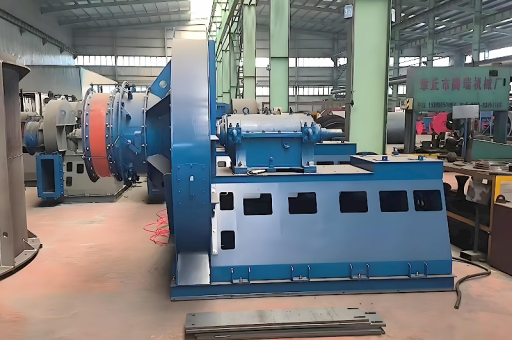
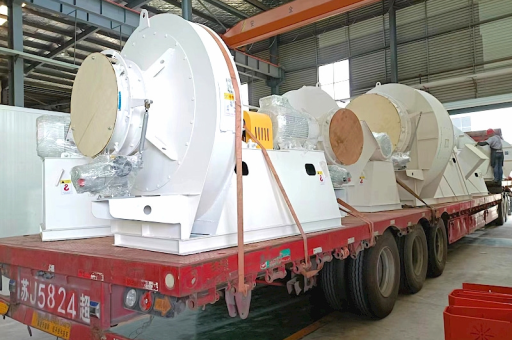
This article's table of contents introduction:
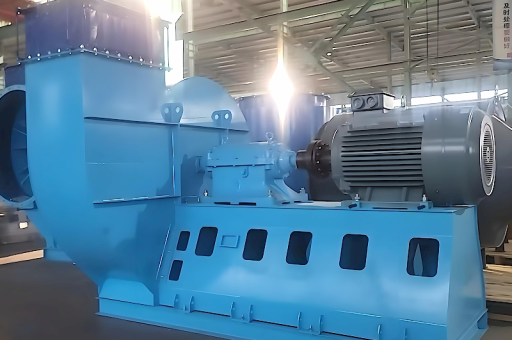
- Table of Contents
- Introduction: Why Corrosion Resistance Matters in Sewage Treatment
- The Harsh Environment: Chemical and Biological Aggressors
- Core Materials and Manufacturing Processes for Corrosion-Resistant Fans
- Key Applications: Aeration, Odor Control, and Exhaust Systems
- Case Study: A High-Performance Corrosion-Resistant Fan in a Municipal Plant
- Common Failure Points and How to Avoid Them
- Maintenance Best Practices for Longevity
- Frequently Asked Questions (FAQ)
- Conclusion: Future Trends and Industry Standards
** The Critical Role of Corrosion-Resistant Fans in Sewage Treatment: Design, Applications, and Maintenance
Table of Contents
- Introduction: Why Corrosion Resistance Matters in Sewage Treatment
- The Harsh Environment: Chemical and Biological Aggressors
- Core Materials and Manufacturing Processes for Corrosion-Resistant Fans
- Key Applications: Aeration, Odor Control, and Exhaust Systems
- Case Study: A High-Performance Corrosion-Resistant Fan in a Municipal Plant
- Common Failure Points and How to Avoid Them
- Maintenance Best Practices for Longevity
- Frequently Asked Questions (FAQ)
- Conclusion: Future Trends and Industry Standards
Introduction: Why Corrosion Resistance Matters in Sewage Treatment
Sewage treatment facilities are among the most chemically aggressive environments in the industrial world. Every day, millions of liters of wastewater carry hydrogen sulfide (H₂S), ammonia, methane, and a cocktail of organic acids. These compounds, combined with high humidity and fluctuating temperatures, create a perfect storm for metal degradation. Standard industrial fans, when deployed in such settings, often fail within months due to pitting, stress corrosion cracking, or coating delamination.
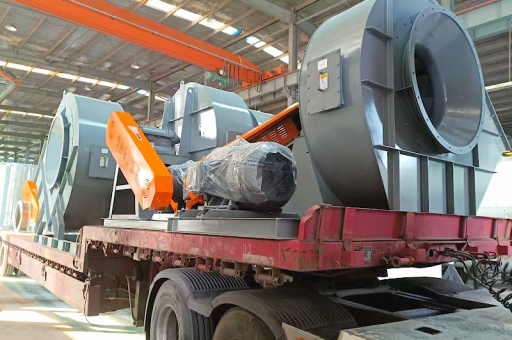
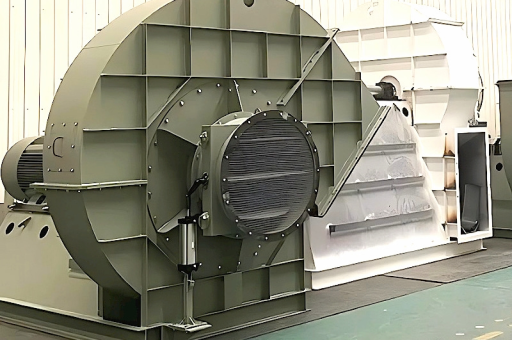
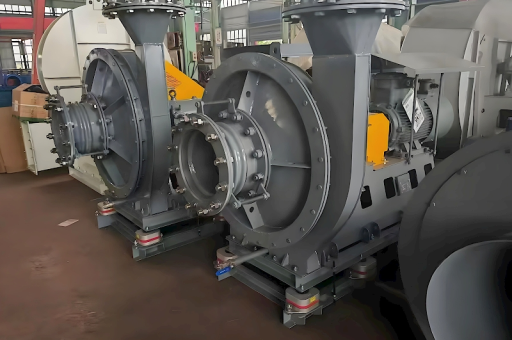
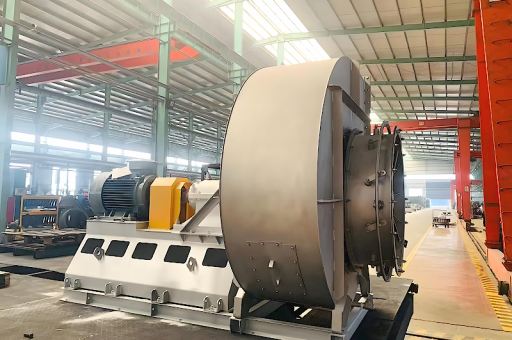
This is where sewage treatment corrosion-resistant fans become indispensable. Engineered from advanced polymers, fiberglass (FRP), or specialty alloys, these fans are designed to withstand continuous exposure to corrosive gases and moisture. They ensure that critical processes—such as aeration, sludge digestion, and odor containment—run reliably without unplanned downtime. In this article, we will dissect the materials, engineering, and operational strategies that make these fans a cornerstone of modern wastewater management.
The Harsh Environment: Chemical and Biological Aggressors
Before selecting a fan, one must understand the specific threats present in a sewage treatment plant (STP).
- Hydrogen Sulfide (H₂S): Produced by anaerobic bacteria, H₂S combines with moisture to form sulfuric acid. This acid attacks carbon steel, aluminum, and even some stainless steels.
- Ammonia (NH₃): Common in sludge handling areas, ammonia can cause stress corrosion cracking in copper alloys.
- Chlorine Compounds: Used for disinfection, chlorine gas and hypochlorite solutions are highly oxidizing and degrade most metals.
- High Humidity and Temperature Swings: Condensation cycles accelerate corrosion by keeping surfaces wet and promoting electrochemical reactions.
In addition to chemical attacks, biological fouling—such as biofilm accumulation—can alter local pH levels, further accelerating material erosion. A corrosion-resistant fan must therefore possess both chemical inertness and a smooth, non-porous surface to prevent biological adhesion.
Core Materials and Manufacturing Processes for Corrosion-Resistant Fans
Three primary material categories dominate the market for sewage treatment corrosion-resistant fans:
| Material Class | Examples | Key Advantages | Typical Application Area |
|---|---|---|---|
| Fiberglass (FRP) | Vinyl ester, polyester resin | High strength-to-weight, non-conductive, UV stable | Aeration, large exhaust ducts |
| Engineering Polymers | Polypropylene (PP), PVDF | Excellent chemical resistance, low cost, lightweight | Odor scrubbing, duct booster fans |
| Specialty Alloys | Hastelloy, titanium, 316L SS | Extreme temperature and pressure capability | Digester gas handling, high-temp stacks |
Manufacturing processes have also evolved. For example, FRP fan impellers are now produced using closed-mold RTM (Resin Transfer Molding) , which ensures void-free laminates and consistent fiber orientation. PVDF fans are often welded or machined from solid blocks to avoid stress points at joints. A well-designed fan will also feature encapsulated stainless steel hubs—where the metal core is fully encased in polymer—to eliminate direct metal-to-gas contact.
Key Applications: Aeration, Odor Control, and Exhaust Systems
Corrosion-resistant fans serve three critical roles in sewage treatment:
1 Aeration Systems
In biological treatment (activated sludge process), oxygen must be continuously supplied to aerobic bacteria. Corrosion-resistant centrifugal fans deliver air through fine-bubble diffusers. Since the air is often saturated with moisture and trace H₂S, FRP or polypropylene fans are standard.
2 Odor Control Systems
H₂S and volatile organic compounds are captured by carbon filters or chemical scrubbers. Exhaust fans in these systems must endure acidic fumes at low pressures. Axial fans made from PVDF or FRP are common.
3 Enclosed Exhaust and Digester Gas Handling
In covered sludge digesters, biogas (60% methane, 40% CO₂ with H₂S) must be safely extracted. Fans in this service require spark-resistant construction and explosion-proof motors in addition to corrosion resistance—often using aluminum-bronze impellers in stainless casings, or all-FRP construction.
Case Study: A High-Performance Corrosion-Resistant Fan in a Municipal Plant
Consider a mid-sized municipal STP in the southeastern United States. The facility had been replacing standard carbon steel centrifugal fans every 18 months due to H₂S attack on the impeller and housing. Switching to a FRP fan with a vinyl ester resin—featuring a 45% glass fiber loading—extended service life to over 7 years. The fan’s drip-proof housing and sealed bearing assembly prevented moisture ingress. Performance testing showed no significant drop in airflow capacity after 5 years of continuous operation.
This example highlights the core principle: initial capital expenditure for a corrosion-resistant fan is 30–50% higher than a standard carbon steel fan, but total cost of ownership (including maintenance, replacement parts, and downtime) drops by up to 60% over a 10-year period.
Common Failure Points and How to Avoid Them
Even the best corrosion-resistant fans can fail if not properly specified. Common failure modes include:
- Bearing contamination: Corrosive dust and moisture penetrate bearing seals. Solution: Use isolated bearing housings with purgeable grease fittings and labyrinth seals.
- Impeller imbalance: Buildup of biological slime or chemical deposits changes dynamics. Solution: Apply non-stick PTFE-based coatings on impeller blades.
- Shaft corrosion at the seal area: Even stainless steel shafts can suffer crevice corrosion under O-rings. Solution: Specify titanium or Hastelloy shafts in the seal area.
- Motor burnout: Humid, corrosive air can short motor windings. Solution: Use TEBC (totally enclosed blower-cooled) or TENV (totally enclosed non-ventilated) motors with epoxy varnish treatment.
Maintenance Best Practices for Longevity
To maximize the lifespan of a sewage treatment corrosion-resistant fan, follow these steps:
- Weekly inspection – Check for unusual vibration, noise, or visible deposit buildup on the impeller.
- Monthly greasing – Use synthetic polyurea grease for high-temperature and moisture resistance. Do not over-grease, as excess grease can trap contaminants.
- Quarterly coating inspection – Look for blistering, cracking, or delamination of protective coatings. For FRP fans, check for stress cracks near bolt holes.
- Annual balancing – Send the fan rotor for dynamic balancing if vibration levels exceed 2.5 mm/s RMS.
- Spare parts strategy – Keep a spare impeller and bearing cartridge on site. Ensure the spare is stored in a dry, temperature-controlled area to prevent material degradation.
Frequently Asked Questions (FAQ)
Q1: Can a standard stainless steel fan be used in a sewage treatment plant?
No, not reliably. Standard 304 stainless steel will still suffer pitting from chloride and H₂S. Even 316L can fail in high-chlorine environments. For wet, acidic gas streams, FRP or polypropylene is preferred.
Q2: What is the typical lifespan of a corrosion-resistant fan in a wastewater plant?
With proper material selection and maintenance, a high-quality FRP fan can last 10–15 years. PVDF fans can exceed 20 years in low-temperature scrubber service. Alloy fans (Hastelloy) can last the life of the plant (30+ years) but require high initial investment.
Q3: Are explosion-proof corrosion-resistant fans available?
Yes. Many manufacturers offer ATEX or IECEx certified fans for digester gas and flammable vapor zones. These fans use non-sparking materials (e.g., aluminum-bronze impellers) and are designed to prevent static charge buildup.
Q4: How do I calculate the correct fan pressure for aeration?
You need to account for static pressure from diffuser submergence (approx. 1 psi per 2.3 ft of water depth), plus friction losses in pipework and diffuser head loss. Most aeration fans operate between 3–8 psi.
Q5: Can a corrosion-resistant fan be retrofitted into an existing duct system?
Typically, yes. Most fan suppliers provide davit installation kits and flexible connectors to adapt to existing flanges. However, you must ensure the existing duct material is also corrosion-resistant, otherwise the fan will be the weak link.
Q6: What is the best material for an H₂S-laden biogas exhaust fan?
For biogas, FRP is not recommended at temperatures above 80°C due to resin softening. Instead, use a 316L stainless steel fan with a PTFE-lined impeller or an all-Hastelloy fan for high-temperature digestion.
Q7: What certifications should I look for when purchasing?
Look for ISO 9001 for quality management, ISO 21940 for fan balance grade, and AMCA (Air Movement and Control Association) certification for performance testing. For hazardous areas, request ATEX 2014/34/EU or IECEx documentation.
Q8: How often should the fan be cleaned for biological deposit control?
Frequency depends on humidity and bacterial load. In warm climates, monthly cleaning with a mild acid solution (e.g., citric acid at pH 3) may be needed. In colder climates, quarterly cleaning suffices.
Conclusion: Future Trends and Industry Standards
The market for sewage treatment corrosion-resistant fans is evolving rapidly. Polymer composite fans are becoming lighter and stronger thanks to nano-silica reinforcement. Internet of Things (IoT) integration now allows remote monitoring of vibration, temperature, and current draw, enabling predictive maintenance rather than reactive repairs. Meanwhile, global standards—such as EN 12101 for smoke extraction and ISO 16084 for fan performance—are pushing manufacturers to achieve higher energy efficiencies (e.g., up to 85% static efficiency in high-flow designs).
As municipal and industrial wastewater volumes grow worldwide, the demand for reliable, long-lasting corrosion-resistant fans will only intensify. The key takeaway for engineers and plant managers: invest in the right materials upfront, adhere to a rigorous maintenance schedule, and always prioritize total cost of ownership over first cost.
By understanding the unique demands of sewage treatment environments and selecting fans engineered specifically for corrosion resistance, facilities can achieve uninterrupted operation, lower lifecycle costs, and a safer working environment for maintenance personnel.