This article's table of contents introduction:
- Introduction: What Are Dry Gas Seal Fans?
- Fundamental Working Principle of Dry Gas Seals
- Why a Dedicated Fan System? The Cooling and Pressurization Imperative
- Key Components of a Dry Gas Seal Fan Unit
- Operational Parameters and Performance Metrics
- Common Failure Modes and Diagnostic Techniques
- Best Practices for Maintenance and Condition Monitoring
- Frequently Asked Questions (FAQ)
- Conclusion: Future Trends in Seal Gas Management
** The Critical Role of Dry Gas Seal Fans in Modern Turbomachinery: Design, Function, and Maintenance Optimization
Table of Contents
- Introduction: What Are Dry Gas Seal Fans?
- Fundamental Working Principle of Dry Gas Seals
- Why a Dedicated Fan System? The Cooling and Pressurization Imperative
- Key Components of a Dry Gas Seal Fan Unit
- Operational Parameters and Performance Metrics
- Common Failure Modes and Diagnostic Techniques
- Best Practices for Maintenance and Condition Monitoring
- Frequently Asked Questions (FAQ)
- Conclusion: Future Trends in Seal Gas Management
Introduction: What Are Dry Gas Seal Fans?
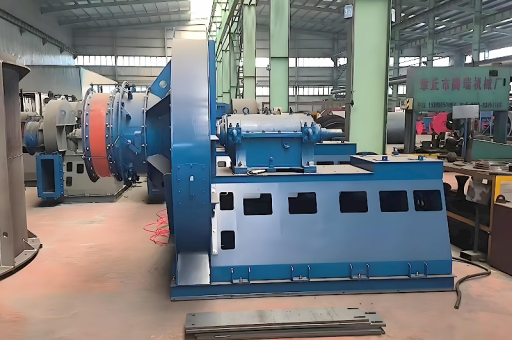
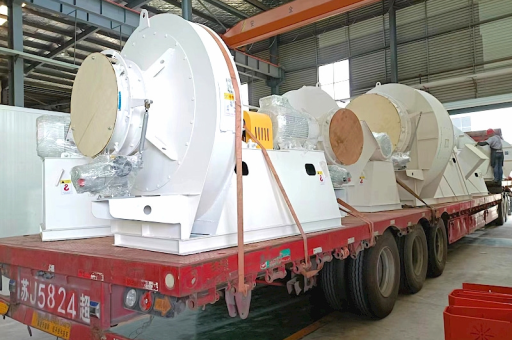
In the world of high-speed rotating equipment—such as centrifugal compressors, gas turbines, and steam turbines—maintaining a reliable seal between rotating shafts and stationary housings is paramount. Among the most advanced sealing technologies is the dry gas seal (DGS) , a non-contacting mechanical seal that uses a thin film of gas to prevent process leakage. However, the performance of a DGS is highly dependent on the quality, pressure, and temperature of the seal gas supplied to it. This is where the dry gas seal fan—also often referred to as a seal gas booster fan or seal gas system fan—enters the picture.
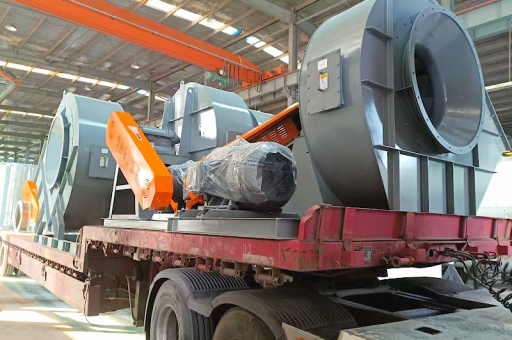
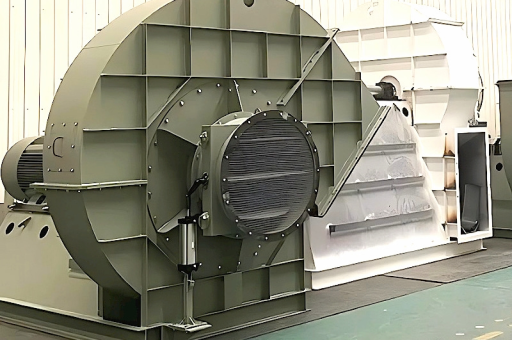
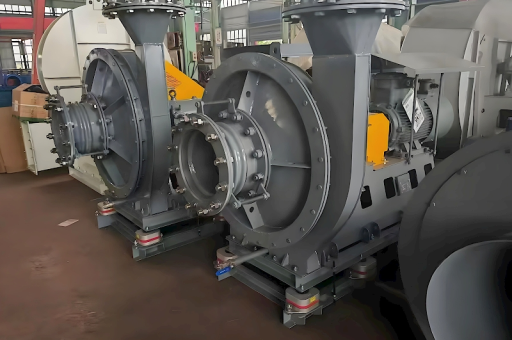
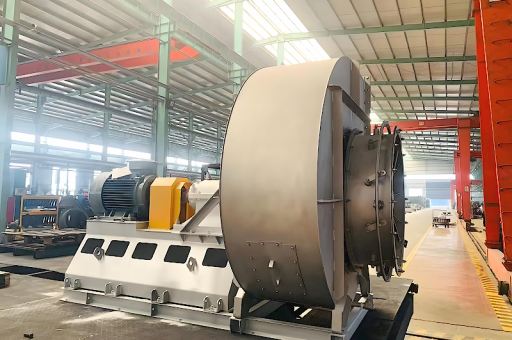
The dry gas seal fan is not a fan in the traditional ventilation sense. It is a specialized, low-pressure-ratio blower or compressor component designed to boost the pressure of a clean, dry, inert gas (typically nitrogen or instrument air) to meet the specific requirements of the dry gas seal system. Without this dedicated fan, the seal would fail, leading to catastrophic process gas leakage, environmental hazards, and unscheduled downtime. In wind turbine applications, while not directly a seal fan, the concept of auxiliary lubrication and cooling systems mirrors the criticality of seal gas fans in industrial turbomachinery.
Fundamental Working Principle of Dry Gas Seals
To appreciate the fan’s role, it is essential to understand the DGS itself. A dry gas seal comprises two ultra-flat rings: a rotating primary ring (mounted on the shaft) and a stationary mating ring. During operation, microscopic spiral grooves machined into the rotating ring generate a hydrodynamic pressure gradient. This pressure lift separates the faces by a few microns (typically 2–5 µm), creating a non-contacting gap.
The gas that enters this gap serves three functions:
- Separation: Prevents mechanical wear.
- Cooling: Carries away frictional heat.
- Barrier: Blocks process gas from escaping to the atmosphere.
Any interruption in the supply of clean, dry seal gas can cause face contact, rapid wear, and seal failure within seconds. Therefore, the gas delivered to the seal must be filtered to 3 microns or less, completely dry (dew point below -20°C), and at a pressure typically 1.5–3 bar higher than the process gas pressure inside the compressor.
Why a Dedicated Fan System? The Cooling and Pressurization Imperative
In many installations, the primary seal gas is taken directly from the compressor discharge—a technique known as self-supply. However, this approach has limitations:
- Insufficient pressure during startup: When the compressor is not yet producing full discharge pressure, there is no gas to pressurize the seals.
- Contamination risk: Process gas may contain hydrocarbons, moisture, or particulates that damage the seal faces.
- Heat buildup: During idle or low-load periods, the seal faces can overheat without forced gas circulation.
A dry gas seal fan solves these problems by providing a dedicated, independent, and conditioned gas supply. The fan draws gas from a clean external source (e.g., nitrogen bottle bank or instrument air system) and boosts its pressure to the required level. It also facilitates continuous flow through the seal chambers, which is critical for heat removal. In some large compressor trains, multiple seal gas fans are arranged in a 2×100% or 2×50% redundant configuration, ensuring that if one fan fails, the other automatically starts without any pressure dip. This reliability principle is analogous to the emergency pitch control and cooling fans in a wind turbine nacelle.
Key Components of a Dry Gas Seal Fan Unit
A typical dry gas seal fan skid includes the following elements:
| Component | Function |
|---|---|
| Fan (Blower) | A low-pressure-ratio centrifugal or regenerative blower that increases gas pressure by 0.5–2 bar. |
| Motor | Typically an explosion-proof electric motor (Ex d or Ex e) with variable frequency drive (VFD) for flow control. |
| Inlet Filter | A high-efficiency coalescing filter (0.01–3 micron rating) to remove liquids and solids. |
| Check Valves & Isolation Valves | Prevent reverse flow during fan changeover or shutdown. |
| Pressure Transmitters & Switches | Monitor discharge pressure to ensure it exceeds the reference (process) pressure by a set margin (ΔP). |
| Flow Orifice & Flow Meter | Precisely regulate and measure the gas flow rate (usually 5–50 Nm³/h). |
| Heater (Optional) | Prevents condensation or hydrate formation in cold climates. |
| Return Line Filter | Filters gas returning from the primary seal vent. |
Operational Parameters and Performance Metrics
Engineers and maintenance teams must track several key performance indicators (KPIs) for dry gas seal fans:
- ΔP (Differential Pressure): The difference between the fan discharge pressure and the process gas pressure inside the compressor. Typically must exceed 1.5 bar.
- Flow Rate: Measured in standard cubic meters per hour (Nm³/h) or standard cubic feet per minute (SCFM). Insufficient flow leads to inadequate cooling.
- Gas Temperature: The fan’s adiabatic compression heats the gas. Discharge temperatures should be monitored to avoid exceeding 80–90°C, which could degrade seal elastomers.
- Vibration & Noise: Unusual fan vibration can indicate bearing wear or impeller imbalance.
- Power Consumption: An unexpected increase in motor current may signal a blockage or internal leak.
Common Failure Modes and Diagnostic Techniques
Despite high reliability, dry gas seal fans can fail. The most common failures include:
A. Bearing Failure
- Cause: Over-lubrication, misalignment, or fatigue.
- Detection: Increased vibration (horizontal and vertical) and elevated bearing temperature.
- Mitigation: Use of premium sealed bearings and scheduled greasing based on hours run.
B. Filter Clogging
- Cause: Dirty intake air or degraded coalescing elements.
- Detection: Rising differential pressure across the filter. If ΔP exceeds 0.5 bar, the filter must be replaced.
- Mitigation: Install a differential pressure gauge with alarm.
C. Motor Overload / Thermal Trip
- Cause: Blocked discharge line or incorrect VFD settings.
- Detection: Frequent motor trips or excessive current draw.
- Mitigation: Verify VFD parameters against fan curve; ensure discharge valves are fully open.
D. Reverse Flow (during switchover)
- Cause: Check valve failure or slow isolation valve activation.
- Detection: Sudden drop in seal gas pressure.
- Mitigation: Implement a fast-acting check valve and test automatic changeover logic quarterly.
Best Practices for Maintenance and Condition Monitoring
To maximize the service life of dry gas seal fans, adopt the following strategies:
- Implement a Proactive Replacement Schedule: Replace inlet filter elements every 6 months or at 0.5 bar ΔP, whichever comes first.
- Vibration Analysis: Sample accelerometer data monthly. Track overall RMS velocity; any increase >25% over baseline signals a need for inspection.
- Lubrication Discipline: For grease-lubricated bearings, use a calibrated grease gun. Over-greasing (the most common mistake) causes heat buildup.
- Incorporate a Redundant System: For critical compressor trains in refineries or gas processing plants, always run with 2×100% fan units to allow online maintenance.
- Monitor Seal Gas Return Temperature: If the temperature of gas returning from the seal exceeds the inlet temperature by more than 15°C, the seal gap may be too small or the fan flow insufficient.
In wind turbine operations, while dedicated dry gas seal fans are not common (turbines use pressurized oil lubrication), the same condition monitoring philosophy—vibration, temperature, and lubrication tracking—applies to pitch control motors and cooling fans.
Frequently Asked Questions (FAQ)
Q1: Can I use the compressor’s process gas directly for the dry gas seal instead of a fan? Yes, this is called “self-contained” sealing. It works well during normal full-load operation. However, during startup, shut down, or low-load conditions, the discharge pressure is insufficient. A dedicated seal gas fan ensures sealing integrity 100% of the time.
Q2: How often should I replace the dry gas seal fan’s filter? It depends on the ambient air quality. In clean environments, every 6–12 months. In dirty or oily atmospheres, every 3 months. Always replace when the differential pressure across the filter reaches 0.5 bar.
Q3: What happens if the entire seal gas fan system fails? Most dry gas seal systems have an emergency backup: either a second fan that starts automatically or a high-pressure nitrogen buffer that can maintain seal support for a short duration (usually 30–60 minutes). In the event of complete failure, the compressor must be shut down immediately to prevent seal damage.
Q4: Can a dry gas seal fan be overhauled on-site? Yes, most fans are designed for modular maintenance. The motor, impeller, and bearings can be replaced in the field. However, impeller balancing must be performed in a certified shop. Always keep a spare fan cartridge or complete unit in storage.
Q5: How does a dry gas seal fan differ from a cooling fan in a wind turbine? A wind turbine cooling fan moves ambient air over a heat exchanger or generator to dissipate heat. It operates at near-atmospheric pressure. A dry gas seal fan, in contrast, boosts the pressure of a gas to overcome process pressure and forces it through a precise, micron-sized seal gap. The functional demands—pressure, cleanliness, and flow control—are far more stringent.
Conclusion: Future Trends in Seal Gas Management
The dry gas seal fan is an unsung hero of modern turbomachinery. It ensures that the dry gas seal receives a continuous, clean, and pressure-boosted gas supply, which in turn prevents leakage, reduces emissions, and maximizes equipment uptime. As the industry moves toward digitalization and predictive maintenance, dry gas seal fans are being equipped with IoT sensors that transmit real-time pressure, vibration, and temperature data to cloud-based analytics platforms. These systems can predict a fan failure 2–4 weeks before it occurs, enabling proactive replacement and eliminating unplanned shutdowns.
For plant operators, the lesson is clear: invest in robust seal gas fan systems, train technicians on the specific failure modes of these units, and treat them with the same criticality as the main compressor. In the world of rotating machinery, a failing seal gas fan is often the first domino that leads to a catastrophic seal failure. Conversely, a well-maintained fan ensures years of uninterrupted, emission-free operation. Whether in a refinery, a gas pipeline compressor station, or a large wind turbine’s hydraulic system, the principle remains the same: reliable auxiliary systems are the backbone of main equipment performance.