This article's table of contents introduction:
- The Core Function: "Sealing"
- Key Design Features
- Why "Sealing" is Critical (The Risks)
- Common Applications
- How to Specify or Identify One
- Alternatives or Related Concepts
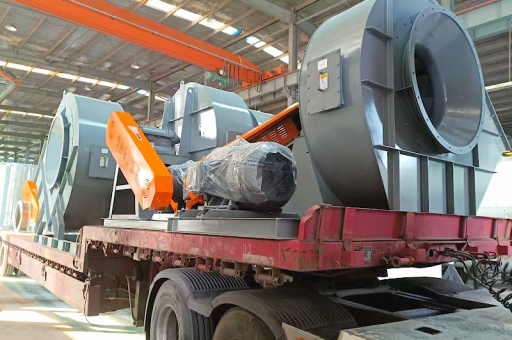
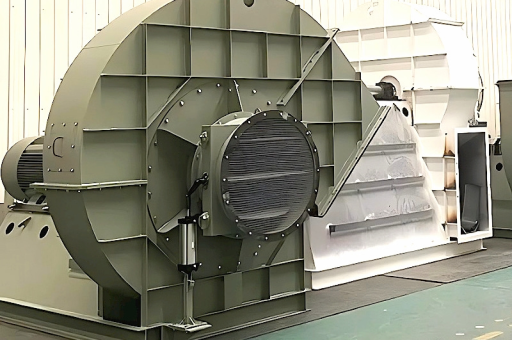
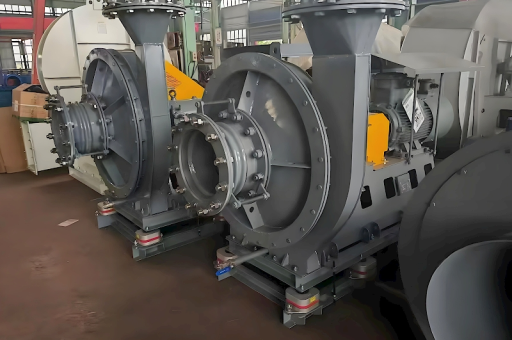
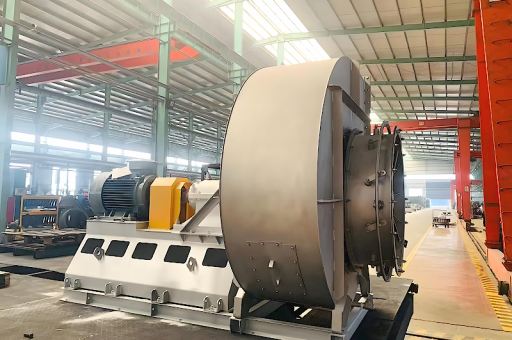
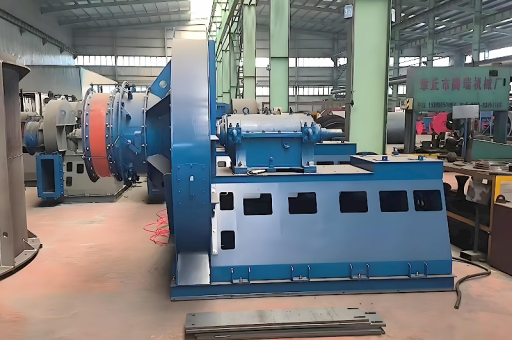
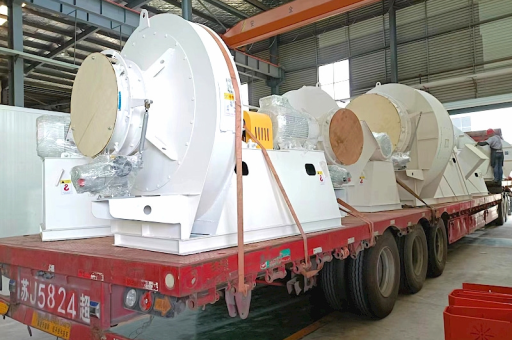
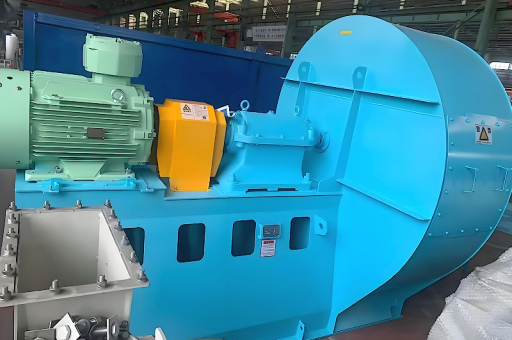
The term "Toxic Gas Sealing Fans" typically refers to specialized ventilation or exhaust fans designed to handle, contain, or prevent the escape of hazardous, toxic, or flammable gases in industrial, chemical, or laboratory environments.
These fans are not just standard fans with a filter; they are engineered systems built to specific safety standards (like ATEX, IECEx, or UL). Here is a breakdown of what they are, how they work, and where they are used.
The Core Function: "Sealing"
The "sealing" aspect is the most critical feature. It refers to preventing the toxic gas from leaking out of the fan housing and into the surrounding atmosphere or motor area. This is achieved through several methods:
- Gasketed & Bolted Housings: High-quality, chemically resistant gaskets (like Viton, EPDM, or PTFE) between the fan housing, inlet, and outlet flanges.
- Shaft Seals & Mechanical Seals: A dynamic seal around the rotating fan shaft where it exits the housing. This prevents gas from traveling along the shaft into the motor area or the atmosphere.
- Double-Walled Construction: Some systems have a double wall to contain leaks and provide an inert gas purge zone.
- Welded Construction: Instead of riveted or spot-welded housings, housing is fully continuously welded to eliminate potential leak paths.
Key Design Features
- Spark-Resistant Construction: Because many toxic gases are also flammable (e.g., hydrogen sulfide, methane, solvents), fans must be constructed from non-sparking materials (aluminum, bronze, special plastics) or have a special spark-resistant coating. A "rubber lined" impeller is common.
- Explosion-Proof (ATEX/IECEx Certified): The entire assembly (motor, wiring, housing) is designed so that any internal explosion (from flammable gas) is contained within the housing and cannot ignite the external atmosphere.
- Corrosion-Resistant Materials: Fans handle aggressive chemicals. Common materials include:
- Fiberglass Reinforced Plastic (FRP): Excellent for acids.
- Stainless Steel (304, 316, or 316L): For halogens and some organics.
- Polypropylene (PP) or PVDF: For highly corrosive gases.
- Purged Systems: In some designs (like for hydrogen), an inert gas (Nitrogen) is continuously purged through the fan housing to prevent the accumulation of explosive concentrations.
Why "Sealing" is Critical (The Risks)
- Operator Safety: Preventing toxic gas from leaking into the workspace. Common toxic gases include: H₂S (hydrogen sulfide), Cl₂ (chlorine), SO₂ (sulfur dioxide), CO (carbon monoxide), NH₃ (ammonia), benzene.
- Environmental Compliance: Preventing fugitive emissions of VOCs (Volatile Organic Compounds) or other regulated gases.
- Explosion Prevention: Many toxic gases are also flammable (e.g., hydrogen, ethylene oxide). Sealing prevents the gas from reaching an ignition source (the motor).
- Process Integrity: In fume hoods or glove boxes, the fan must maintain a specific negative pressure. A leak would compromise the capture efficiency.
Common Applications
- Chemical Processing Plants: Exhausting reactors, storage tanks, and loading stations where toxic chemicals are handled.
- Wastewater Treatment Plants: Scrubbing or exhausting hydrogen sulfide (H₂S) or methane from digesters and lift stations.
- Laboratory Fume Hoods: Especially in labs handling highly toxic or radioactive materials where a leak is unacceptable.
- Pharmaceutical Manufacturing: Handling potent compounds (APIs) in isolator systems.
- Semiconductor Manufacturing: Exhausting toxic or pyrophoric gases (e.g., arsine, phosphine, silane) from process tools.
- Mines & Tunnels: For ventilation of toxic or explosive gases.
How to Specify or Identify One
When looking for or specifying a "toxic gas sealing fan," key parameters include:
- Gas Type & Concentration: (e.g., 5% H₂S in air, 100% Chlorine).
- Temperature & Humidity of the Gas Stream.
- Flow Rate (CFM/m³/hr): How much gas needs to be moved.
- Static Pressure (in. w.g./Pa): The resistance the fan must overcome.
- Explosion-Proof Rating (Class/Division or Zone): e.g., Class I, Division 1, Group B (Hydrogen) or Zone 1, IIB+H2.
- Seal Type: (e.g., "Double mechanical seal with buffer fluid" or "Single mechanical seal with PTFE bellows").
- Material of Construction: (e.g., "FRP with a fire-retardant resin" or "304L Stainless Steel with electropolished finish").
Alternatives or Related Concepts
- Gas-Tight Fans: A more specific term for a fan that has been leak-tested (e.g., to 0.5% leakage at a specific pressure).
- Fume Exhaust Fans: A broader category; a standard fume exhaust fan may not have the high-integrity sealing required for toxic gases.
- Explosion-Proof Blowers: Focused on preventing ignition, but they may not necessarily have the dynamic shaft seal required for gas containment.
- Inert Gas Purged Fans: A specific sub-type used when the toxic gas is also explosive (e.g., in a hydrogen environment).
In summary: A toxic gas sealing fan is a critical safety component in any environment where hazardous gases are handled. Its "sealing" feature is the primary defense against workplace exposure and environmental release. It is not an off-the-shelf item and must be carefully engineered for the specific chemical and safety requirements of the application.