This article's table of contents introduction:
- Table of Contents
- Introduction: What Are Explosion-Proof Roof Fans?
- Why Explosion-Proof Roof Fans Are Critical for Workplace Safety
- Key Design Features and Technical Standards
- Common Applications Across Industries
- How to Select the Right Explosion-Proof Roof Fan
- Maintenance and Compliance Best Practices
- Frequently Asked Questions (FAQ)
- Conclusion: Investing in Safety and Efficiency
** The Ultimate Guide to Explosion-Proof Roof Fans: Safety, Applications, and Selection for Hazardous Environments
Table of Contents
- Introduction: What Are Explosion-Proof Roof Fans?
- Why Explosion-Proof Roof Fans Are Critical for Workplace Safety
- Key Design Features and Technical Standards
- Common Applications Across Industries
- How to Select the Right Explosion-Proof Roof Fan
- Maintenance and Compliance Best Practices
- Frequently Asked Questions (FAQ)
- Conclusion: Investing in Safety and Efficiency
Introduction: What Are Explosion-Proof Roof Fans?
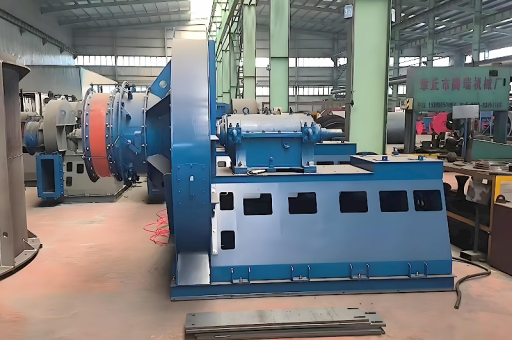
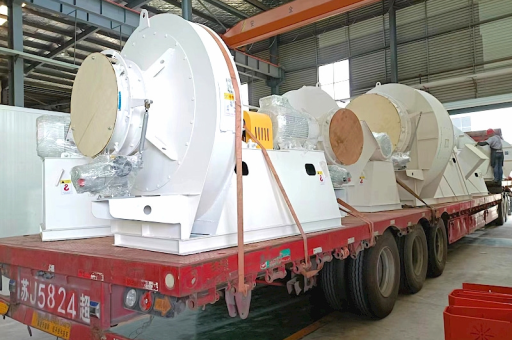
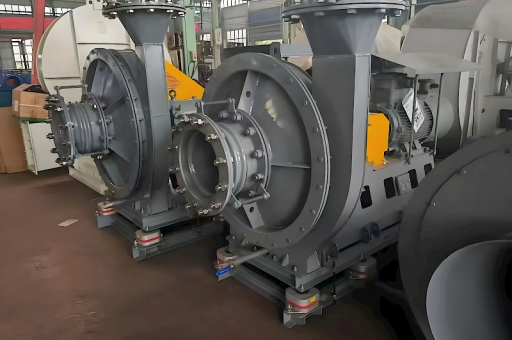
Explosion-proof roof fans are specialized ventilation units designed to operate safely in environments where flammable gases, vapors, dust, or fibers may be present. Unlike standard industrial fans, these units are built with spark-resistant materials, sealed electrical components, and robust housing to prevent ignition of surrounding hazardous atmospheres. They are mounted on rooftops to exhaust contaminated air, maintain pressure differentials, or supply fresh air in facilities classified as hazardous locations.
According to the National Fire Protection Association (NFPA) and Occupational Safety and Health Administration (OSHA), any facility handling combustible materials must use certified explosion-proof equipment. The global market for such fans is growing, driven by stricter safety regulations in oil & gas, chemical processing, pharmaceutical manufacturing, and grain handling industries.
Key takeaway: An explosion-proof roof fan is not just a fan; it is a life safety system component.
Why Explosion-Proof Roof Fans Are Critical for Workplace Safety
Standard fans generate heat, sparks, and static electricity during operation. In a hazardous area, these elements can trigger catastrophic explosions. Explosion-proof roof fans eliminate these risks through:
- Spark-proof construction: Fan blades are made from non-ferrous metals (aluminum bronze, stainless steel) or coated with conductive materials.
- Sealed motor housing: Motors are enclosed in cast-iron or heavy-gauge steel to contain any internal spark.
- Thermal overload protection: Prevents motor overheating, a common ignition source.
- Grounding and bonding: Ensures static electricity dissipates safely.
Real-world impact: In 2022, a grain elevator fire in the Midwest was traced to a standard fan that ignited dust. Post-incident reports highlighted that a certified explosion-proof roof fan would have prevented the explosion.
Question: Can a standard fan be converted to explosion-proof?
Answer: No. Retrofitting is unsafe and violates codes. Only factory-certified models with UL/ATEX/IECEx markings are acceptable.
Key Design Features and Technical Standards
When evaluating explosion-proof roof fans, look for these critical design elements:
| Feature | Purpose |
|---|---|
| Non-sparking impeller | Prevents metal-on-metal ignition |
| Explosion-proof motor | NEMA or IEC certified for hazardous locations |
| Sealed junction box | Prevents gas ingress into electrical connections |
| Thermally protected windings | Automatically shuts down motor if overheating occurs |
| Corrosion-resistant housing | Stainless steel or epoxy-coated steel for harsh chemicals |
| Bird screen / rain hood | Prevents debris entry while allowing airflow |
Compliance standards:
- UL 705 / UL 1004-7: U.S. standards for explosion-proof fans
- ATEX (2014/34/EU): European directive for explosive atmospheres
- IECEx: International certification for hazardous area equipment
- NFPA 70 (NEC): Defines Class I, Division 1/2 and Zone 0/1/2 classifications
Example classification: A fan used for gasoline vapor exhaust must be rated Class I, Division 1, Group D per NEC.
Common Applications Across Industries
Explosion-proof roof fans are deployed in diverse sectors:
Oil & Gas Refineries
- Ventilating storage tanks, pump rooms, and loading bays
- Exhausting hydrogen sulfide and volatile organic compounds
Chemical Processing Plants
- Removing flammable solvent vapors and corrosive fumes
- Maintaining negative pressure in reactor areas
Pharmaceutical Facilities
- Controlling airborne powders and alcohol-based solvents
- Ensuring cleanroom compliance with explosion-safe airflow
Grain Elevators & Flour Mills
- Preventing dust explosions (combustible dust is a Class II hazard)
- Cooling silos and drying areas
Mining Operations (Above Ground)
- Ventilating welding bays and flammable liquid storage sheds
Wastewater Treatment
- Exhausting methane and hydrogen sulfide from digester buildings
Question: Are these fans suitable for outdoor installation in rain or snow?
Answer: Yes, but only models with weatherproof enclosures (IP55 or higher) and corrosion-resistant coatings should be used.
How to Select the Right Explosion-Proof Roof Fan
Follow this six-step selection framework:
Step 1: Define the Hazard Classification
Use the material’s safety data sheet (SDS) to determine gas group, temperature class, and NEC/ATEX zone.
Step 2: Calculate Airflow Requirements
Use CFM (cubic feet per minute) based on room volume, heat load, and contaminant concentration. OSHA often requires 4-6 air changes per hour.
Step 3: Choose Fan Type
- Centrifugal roof fans: High static pressure, ducted systems
- Axial roof fans: High volume, low pressure, open areas
- Mixed-flow fans: Balanced performance for moderate duct runs
Step 4: Verify Material Compatibility
For corrosive gases (e.g., chlorine, ammonia), select FRP (fiberglass-reinforced plastic) or 316 stainless steel construction.
Step 5: Confirm Certification
Request copies of UL listing, ATEX certificate, or IECEx report from the manufacturer.
Step 6: Review Motor Voltage & Phase
Common options: 208V, 230V, 460V, 575V; single-phase or three-phase.
Cost considerations: Explosion-proof models cost 2–5× more than standard fans, but the insurance savings and risk reduction justify the investment.
Maintenance and Compliance Best Practices
To maintain certification and safety:
- Quarterly inspection: Check blade alignment, motor temperature, and seal integrity.
- Annual certification: Have a licensed electrician verify grounding and continuity.
- Cleaning schedule: Remove dust buildup (combustible) using non-sparking tools.
- Lubrication: Use only non-conductive, explosion-compatible grease.
- Documentation log: Keep all maintenance records for regulatory audits.
Compliance check: If your fan’s rating plate is faded or illegible, replace the unit immediately. Lost certification voids insurance coverage.
Question: How long do explosion-proof roof fans typically last?
Answer: With proper maintenance, 10–15 years. Harsh chemical environments may reduce lifespan to 5–8 years.
Frequently Asked Questions (FAQ)
Q1: What is the difference between "explosion-proof" and "spark-resistant"?
A: Spark-resistant fans reduce ignition risk but are not certified for classified areas. Explosion-proof fans are tested and certified per global standards.
Q2: Can I install an explosion-proof roof fan in a non-hazardous area?
A: Yes, but you will overpay for unnecessary features. Use a standard fan unless there is a future consideration for hazardous reclassification.
Q3: Are explosion-proof roof fans noisy?
A: It depends on design. Modern mixed-flow fans have noise levels around 65–75 dB(A). Silencers can be added for noise-sensitive environments.
Q4: Do these fans require special electrical wiring?
A: Yes. Wiring must be in rigid metal conduit or certified explosion-proof cable glands, with seals at the fan entry point.
Q5: Can a wind turbine be used on the same roof?
A: Yes. A wind turbine can supplement power for the fan system if paired with proper safety disconnects and surge protection. Ensure the turbine is also rated for safe operation in the surrounding environment.
Conclusion: Investing in Safety and Efficiency
Explosion-proof roof fans are non-negotiable equipment for any facility operating near flammable hazards. They safeguard lives, protect assets, and ensure regulatory compliance. When selecting a fan, prioritize certified construction, material compatibility, and proper installation by qualified professionals.
Remember: A fan that fails to meet explosion-proof standards is not just a liability—it is a potential bomb. Whether you operate a refinery, chemical plant, or grain facility, the right explosion-proof roof fan is an investment that pays dividends in safety and peace of mind.
For facilities seeking to integrate renewable energy, consider a wind turbine to offset operational costs—provided it meets the site’s hazardous area safety criteria. Always consult with an engineer specialized in explosion protection before making a purchase.