This article's table of contents introduction:
- What is an Explosion-Proof Air Supply Fan?
- Why are they needed?
- Key Construction Features
- Types of Explosion-Proof Fans
- Key Ratings & Certifications (Critical for Selection)
- Common Configurations (for Supply Fans)
- Selection Checklist
- Where to find them (Major Manufacturers)
- Important Disclaimer
This is a detailed overview of Explosion-Proof Air Supply Fans. These are critical safety devices used in hazardous environments where flammable gases, vapors, or dust are present.
What is an Explosion-Proof Air Supply Fan?
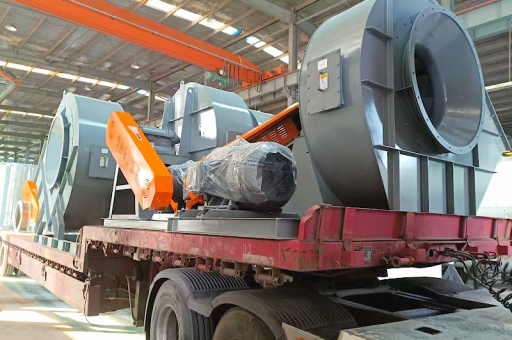
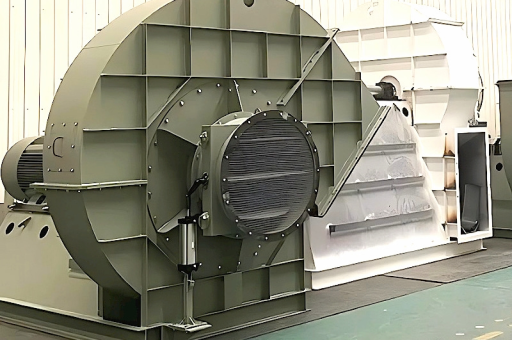
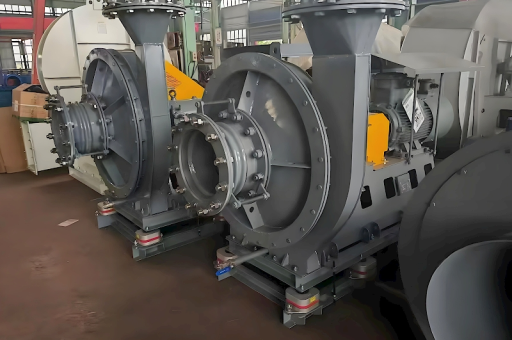
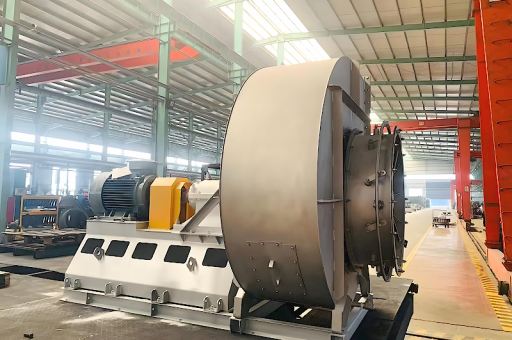
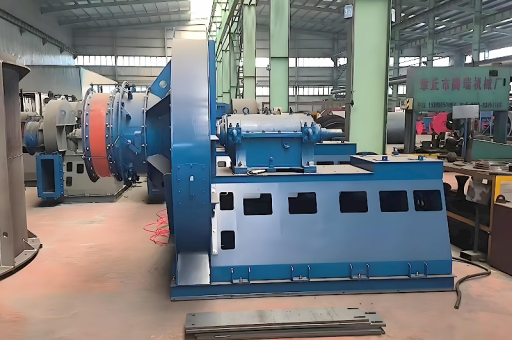
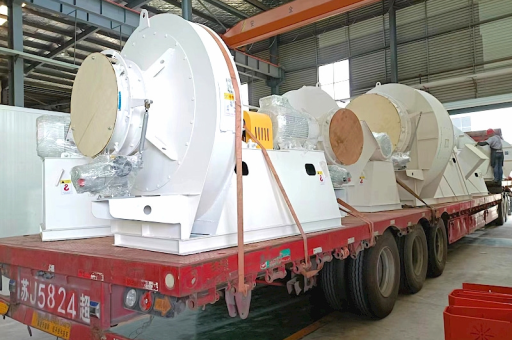
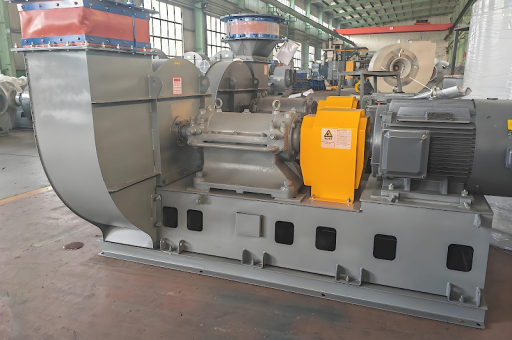
It is a ventilation fan specifically designed and certified to operate safely in hazardous (classified) locations without igniting the surrounding atmosphere. Unlike standard industrial fans, they are engineered to contain any internal spark or explosion and prevent it from propagating to the outside environment.
The key principle is not preventing an explosion inside the fan, but containing it.
Why are they needed?
In hazardous environments, a standard fan motor can create sparks (from brushes, switching, or static), or its surface can reach temperatures high enough to ignite surrounding gases or dust. Explosion-proof fans eliminate these risks.
Common applications include:
- Oil & Gas: Offshore platforms, refineries, petrochemical plants (ventilating pump rooms, compressor stations).
- Chemical Processing: Plants handling solvents, hydrogen, or other flammable chemicals.
- Pharmaceuticals: Areas processing flammable powders or solvents.
- Mining: Underground ventilation for methane gas.
- Paint & Coating: Spray booths and storage areas.
- Wastewater Treatment: Digester buildings where methane is present.
- Grain & Food Processing: Silos, elevators, and mills where combustible dust (grain, sugar, flour) is present.
Key Construction Features
To achieve "explosion-proof" status, these fans incorporate specific design elements:
-
Motor Construction: The electric motor is the primary source of potential ignition. It is housed in a flameproof enclosure (often cast iron or heavy-duty steel). The joints and gaps are machined with specific tolerances (flame paths) so that if an internal explosion occurs, the hot gases cool as they exit through the long, narrow paths, preventing them from igniting the atmosphere outside.
-
Non-Sparking Materials: The fan impeller (blades) and housing are made from non-sparking materials.
- Aluminum (often anodized)
- Bronze
- Stainless Steel
- Copper-based alloys
- This prevents sparks from friction if the impeller rubs against the housing.
-
Grounding: Static electricity can build up and discharge. These fans have robust bonding and grounding provisions to safely dissipate static charge.
-
Sealed Bearings: Bearings are sealed and lubricated for life to prevent them from seizing (which could create heat/sparks) and to prevent contaminants from entering.
-
Temperature (T-Rating): The fan's maximum surface temperature is strictly controlled and must be lower than the auto-ignition temperature of the surrounding hazardous gas or dust. This cooling capacity is a key specification.
Types of Explosion-Proof Fans
There are two main types, based on airflow direction:
| Feature | Explosion-Proof Exhaust Fans | Explosion-Proof Supply Fans |
|---|---|---|
| Function | Pulls contaminated/hazardous air out of a space. | Pushes fresh, clean air into a space. |
| Typical Use | Removing flammable vapors, dust, or fumes from an enclosed area (e.g., tank, reactor). | Ventilating a space and creating positive pressure to prevent outside hazardous gases from entering (e.g., control rooms, switchgear rooms). |
| Air Pressure | Creates negative pressure inside the space. | Creates positive pressure inside the space. |
| Motor Location | Often mounted in a wall or ductwork, with the motor in the hazardous area. | Motor is either in the hazardous area or can be remote-mounted via a belt-drive system for additional safety. |
Key Ratings & Certifications (Critical for Selection)
You cannot simply buy an "explosion-proof fan." You must match it to the specific hazard.
-
Class & Division (North American Standard - NEC / CEC)
- Class I: Flammable gases or vapors (e.g., propane, hydrogen, gasoline).
- Class II: Combustible dusts (e.g., coal, grain, metal powders).
- Class III: Ignitable fibers/flyings (e.g., textile mills).
- Division 1: Hazard is present under normal operating conditions (continuously, intermittently, or periodically).
- Division 2: Hazard is present only under abnormal conditions (e.g., a leak or rupture).
-
Zone System (IEC / ATEX - International)
- Zone 0 / 20: Hazardous atmosphere is present continuously or for long periods.
- Zone 1 / 21: Hazardous atmosphere is likely to occur in normal operation.
- Zone 2 / 22: Hazardous atmosphere is not likely in normal operation, and if it does, it will only be for a short time.
-
Temperature Code (T-Rating)
This indicates the maximum surface temperature of the fan's components.
T-Code Max. Surface Temp. Example Gas (Auto-ignition Temp.) T1 450°C (842°F) Methane (580°C) T2 300°C (572°F) Ethylene (425°C) T3 200°C (392°F) Gasoline (~280°C) T4 135°C (275°F) Diethyl Ether (160°C) T5 100°C (212°F) - T6 85°C (185°F) Carbon Disulfide (90°C) Rule: The fan's T-Rating must be lower than the auto-ignition temperature of the present hazard.
Common Configurations (for Supply Fans)
- Panel / Wall-Mounted: A rectangular fan mounted directly to a wall, often with a weather hood (louver) on the exterior.
- Ducted Inline: A round fan installed within a duct system to bring air into the space.
- Portable / ManCooler: A large, heavy-duty fan on wheels used to provide spot cooling for workers in hazardous environments (e.g., inside a refinery tank repair area).
- Roof Ventilators: For large-scale building supply.
Selection Checklist
When choosing an explosion-proof air supply fan, you must define:
- Airflow (CFM / m³/hr): How much air needs to be moved?
- Static Pressure (in. wg. / Pa): Resistance from ducts, filters, etc.
- Hazard Classification: Class/Division/Zone or ATEX category (e.g., Class I, Division 1, Group D).
- Temperature Code (T-Rating): (e.g., T3, T4).
- Voltage & Phase: (e.g., 460V/3-phase or 120V/1-phase).
- Material: (e.g., Aluminum wheels, steel housing with epoxy coating).
- Mounting: (Wall, duct, roof, portable).
- Certification Body: (UL, CSA, ATEX, IECEx, INMETRO).
Where to find them (Major Manufacturers)
- Greenheck
- Twin City Fan & Blower
- Chicagotubous
- Strobic Air / Air T
- Hartzell
- New York Blower
- The Vigeo Group
Important Disclaimer
This is an informational overview only. Installing or specifying an explosion-proof fan requires a licensed professional engineer (PE) and a deep understanding of local codes (NEC, IEC, NFPA) and the specific chemical properties of the hazard. An error in selection can lead to catastrophic injury or death.