This article's table of contents introduction:
- What does "Ex tD" mean?
- How does the "tD" protection work?
- Key Construction Features
- Typical Applications (Where you find them)
- Common Zones for Ex tD Equipment
- Ex tD vs. Ex d (Gas) vs. General Fans
- Important Safety Note:
- Summary
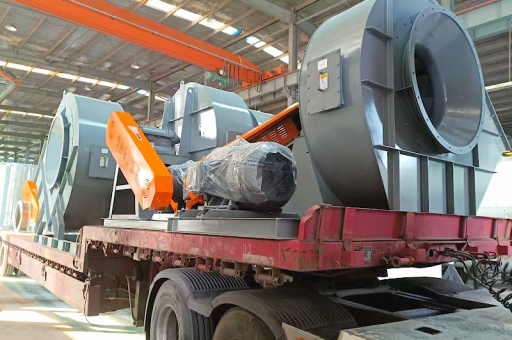
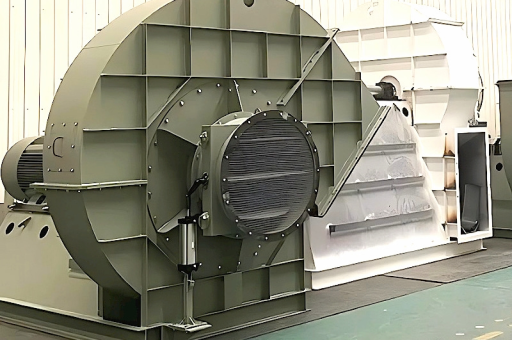
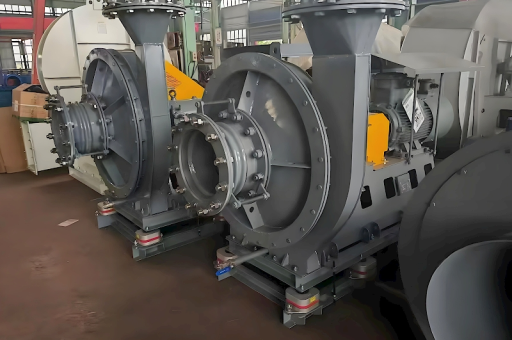
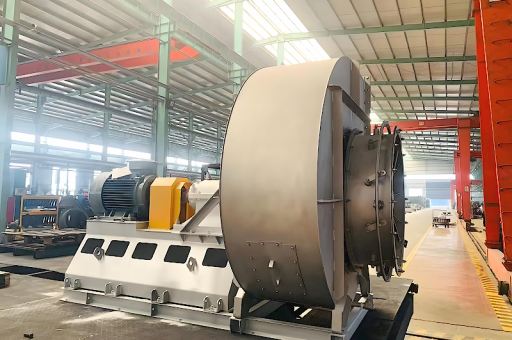
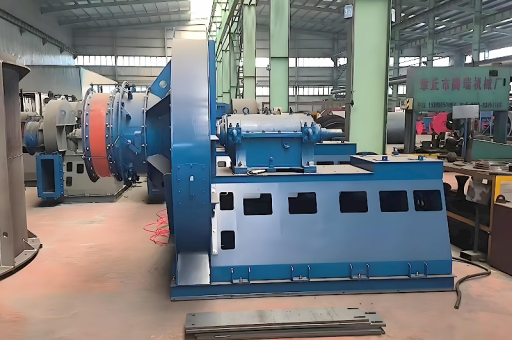
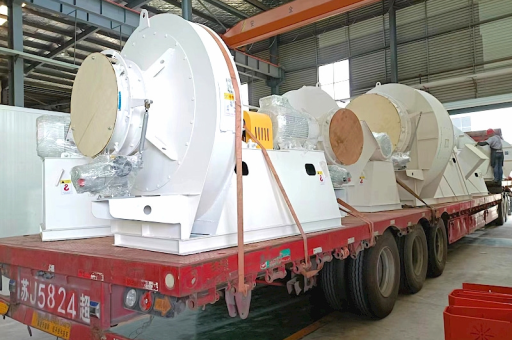
This is a very specific piece of industrial equipment. The term "Ex tD" refers to an explosion protection method for combustible dust.
Here is a detailed breakdown of what an Ex tD dust explosion-proof fan is, where it is used, and what makes it different from other explosion-proof fans.
What does "Ex tD" mean?
This is a code defined by the IECEx (International Electrotechnical Commission System for Certification to Standards Relating to Equipment for Use in Explosive Atmospheres) and the ATEX (European Union) directives.
- Ex: Denotes the equipment is certified for use in explosive atmospheres.
- t: Indicates the protection method is "Protection by Enclosure" (often called "dust-tight" or "sand-tight"). The fan's housing and motor enclosure are designed to prevent dust from entering and to contain any potential internal explosion without igniting the external atmosphere.
- D: Stands for Dust (specifically combustible dust atmospheres).
In short: An Ex tD fan is designed to operate in areas where clouds of combustible dust (like coal, grain, sugar, metal powders, or chemicals) are present.
How does the "tD" protection work?
Unlike gas explosion-proof fans (Ex d or Ex e), which rely on flame paths or increased safety to prevent ignition, the Ex tD method relies on two key principles:
- Ingress Protection (IP): The fan housing and motor must have a minimum of IP6X (totally dust-tight). This prevents dust from entering the motor or bearings where it could be ignited by a spark or hot surface.
- Temperature Control: The maximum surface temperature of the fan (including the motor, blades, and housing) is strictly limited. This temperature must be lower than the ignition temperature of the specific dust cloud present. This is divided into T classes (e.g., T85°C, T100°C, T125°C, T200°C).
Key Construction Features
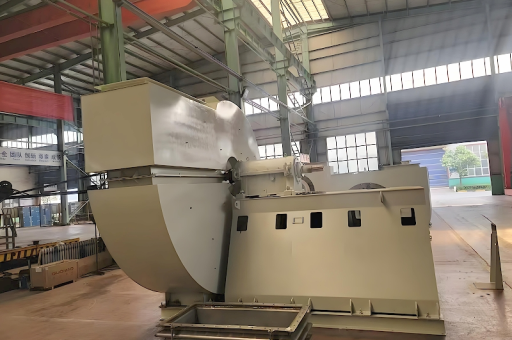
A quality Ex tD fan will have specific design choices:
- Motor: Explosion-proof motor certified for Zone 21 or Zone 22. Often has IP66 or IP67 protection. The motor is usually not "Ex d" (flameproof) but rather a specially designed "Ex t" motor with a very smooth surface to prevent dust accumulation.
- Housing: Heavy-gauge steel or cast iron. No sharp internal edges where dust could accumulate and restrict airflow.
- Bearings: Sealed for life or special shielded bearings to prevent dust ingress.
- Blades: Typically backward-curved or radial blades made of steel. For abrasive dust, the blades may be coated or made of stainless steel.
- Cables/Glands: Must have certified explosion-proof cable glands (Ex e or Ex d) to seal the entry point.
- Earthing: All conductive parts must be bonded to prevent static electricity build-up.
Typical Applications (Where you find them)
- Grain Handling: Silos, flour mills, feed mills.
- Pharmaceuticals: Powder blending, tablet pressing, milling.
- Woodworking: Sawdust collection, sanding booths.
- Coal & Mining: Coal processing plants, conveyor transfer points.
- Chemical Production: Handling of fine chemical powders (e.g., sulfur, aluminum powder).
- Paper/Recycling: Dust extraction from paper shredding or recycling lines.
Common Zones for Ex tD Equipment
- Zone 20: Area where a combustible dust cloud is present continuously or frequently (inside a silo or mill).
- Zone 21: Area where a combustible dust cloud is likely to occur in normal operation (near a filling point or discharge chute).
- Zone 22: Area where a combustible dust cloud is not likely to occur in normal operation, but if it does, it will exist for a short time (maintenance area near a dust filter).
Ex tD vs. Ex d (Gas) vs. General Fans
| Feature | General Fan | Ex d (Gas) Fan | Ex tD (Dust) Fan |
|---|---|---|---|
| Protection Against | None | Gases / Vapors | Combustible Dust |
| Housing Sealing | Basic | Flame paths (gaps) | IP6X (Dust-tight) |
| Motor Type | Standard | Flameproof (Ex d) | Dust-tight (Ex t) |
| Surface Temp. Max | Uncontrolled | Controlled (T class) | Controlled (T class, usually lower) |
| Static Discharge | Not required | Often required | Critical - must be bonded |
Important Safety Note:
- Certification is critical. Never use a standard fan or even a "gas" explosion-proof fan in a dust environment.
- Dust accumulation kills. Even a certified Ex tD fan can become a hazard if it is coated in a thick layer of dust because the insulation layer can cause the motor to overheat. Regular cleaning is mandatory.
- ATEX / IECEx Label: The fan must have a certification label showing:
- Its specific Ex marking (e.g.,
Ex tD A21 IP65 T125°C). - The certificate number.
- The manufacturer's name.
- Its specific Ex marking (e.g.,
Summary
An Ex tD dust explosion-proof fan is a heavy-duty, fully sealed, temperature-controlled fan specifically engineered to prevent the ignition of a dust cloud. It uses a completely dust-tight enclosure (IP6X) and has a strictly limited surface temperature to ensure it cannot become an ignition source. It is essential for safety in industries handling flammable powders and dusts.