This article's table of contents introduction:
- What is a Heat-Resistant Fan?
- Where are they used?
- Key Features to Look For
- The Best Types for Specific Situations
- Buying Advice (Heat-Resistant vs. Standard)
- Top Recommended Models (For Home Use Near Heat Sources)
- Safety Warnings
Here is a comprehensive guide to Heat-Resistant Fans, covering what they are, where they are used, and what to look for when buying one.
What is a Heat-Resistant Fan?
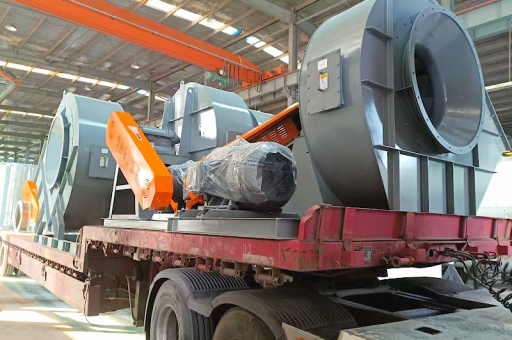
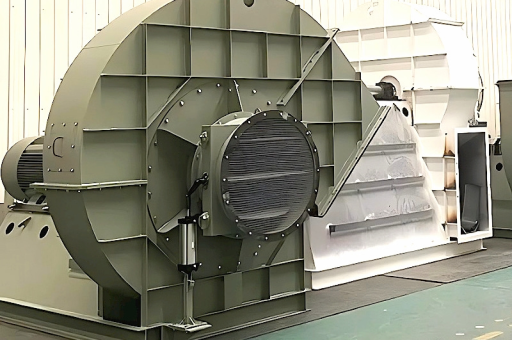
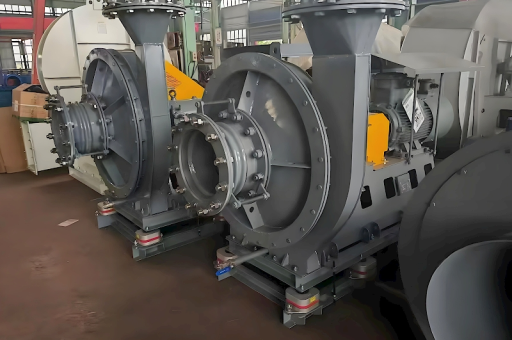
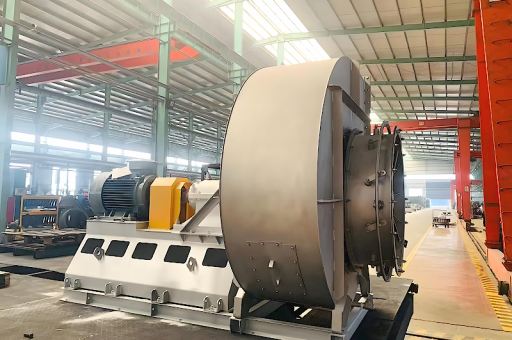
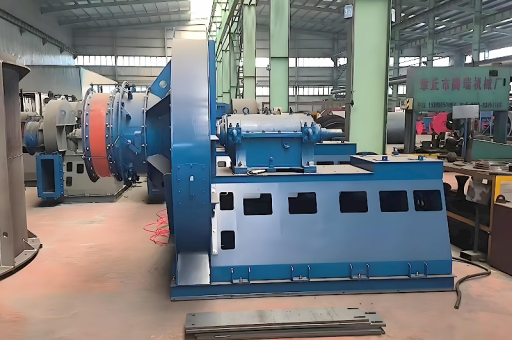
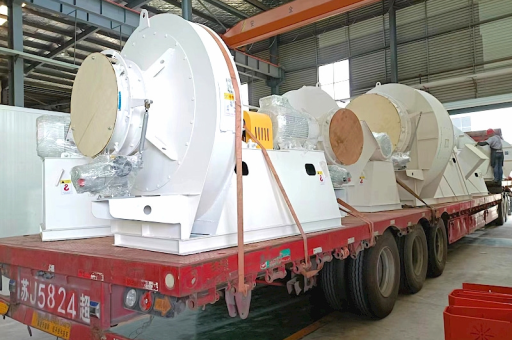
A heat-resistant fan (often called a high-temperature fan or industrial exhaust fan) is specifically designed to operate safely and effectively in environments with elevated ambient temperatures. Unlike standard household fans, which have plastic components and motors that can melt, warp, or fail in high heat, these fans are built with:
- Metal Construction: Stainless steel or aluminum blades and housings (no plastic components).
- High-Temp Motors: Motors with special insulation (Class H or C) that can withstand continuous heat.
- Thermal Protection: Internal cut-offs that prevent the motor from burning out.
- Sealed Bearings: High-temperature grease that doesn't liquefy and run out.
Where are they used?
-
Industrial Settings:
- Greenhouses: Circulating hot air from heaters to prevent cold spots.
- Bakeries & Kitchens: Exhausting steam, heat, and smoke from ovens, fryers, and dishwashers.
- Manufacturing Plants: Cooling machinery, ovens, or dryers.
- Foundries & Forges: Removing ambient heat near molten metal or furnaces.
-
Residential Fixes:
- Close to Wood/Pellet Stoves or Fireplaces: Pushing warm air from the stove into adjacent rooms (crucial for not overheating the fan itself).
- Attics: High-temp rated fans for attic ventilation on extreme summer days.
- Behind Refrigerators or Freezers: To improve airflow in tight spaces.
Key Features to Look For
| Feature | Why It Matters |
|---|---|
| All-Metal Body | Plastic melts or deforms at high temps (e.g., >140°F / 60°C). Metal handles 200°F+. |
| Motor Insulation Class | Class H (392°F / 200°C) is standard. Class C is even higher (428°F / 220°C). |
| Sealed Bearings | Standard oil-lubricated bearings will dry up. Sealed ball bearings with high-temp grease last much longer. |
| Thermal Fuse / Cut-off | Automatically shuts the fan off if the motor gets dangerously hot, preventing a fire. |
| Dual-Capacitor Motor | More starting torque than a standard fan, crucial for pushing heavy hot air. |
| Speed Control | Variable speed allows you to dial in the airflow without overworking the motor. |
The Best Types for Specific Situations
For a Wood Stove / Fireplace (Best Option)
Type: Industrial "Air Circulator" (e.g., the Lasko High Velocity Floor Fan or MaxxAir variants)
- Why it works: These have fully enclosed metal cages and motors that can withstand the radiant heat from a stove.
- Placement: Do not point it directly at the stove. Place it across the room, pointing towards the stove. This pushes cold air towards the stove, forcing the hot air to circulate back.
- Best brands: Lasko, Air King, Hurricane, MaxxAir.
For Attics (High Ambient Temp)
Type: Gable Mount Exhaust Fan or Attic Ventilator
- Why it works: These are built to operate in 140°F+ attics without seizing. They have tough motors.
- Key Feature: Look for one with a thermostat built-in so it only runs when it's hot.
- Best brands: QuietCool, Solar Star, Air Vent.
For Greenhouses / Industrial (Hot & Humid)
Type: Wall-Mounted Exhaust Fan (e.g., Greenhouse Exhaust Fan)
- Why it works: These are low-RPM, high-volume fans that move massive amounts of air. They are corrosion-resistant (stainless steel).
- Key Feature: Belt-driven (motor is outside the airstream, keeping it cooler).
- Best brands: Schaefer, Gasho.
Buying Advice (Heat-Resistant vs. Standard)
Don't buy: A cheap $15 plastic desk fan for use near a wood stove. The plastic will warp, the motor will burn out, and it could cause a fire.
Do buy: An all-metal "pedestal" or "floor" fan. Look for the following label on the box:
- "Industrial Duty"
- "High Velocity"
- "All Metal Construction"
- "Class H Motor"
Top Recommended Models (For Home Use Near Heat Sources)
- Lasko 2265QM High Velocity Floor Fan (20-inch): The gold standard. All metal. Good for stoves and garages.
- Air King 20" High Velocity Floor Fan: Very rugged. US- or Canada-made. Excellent motor.
- MaxxAir HV20-W High Velocity Floor Fan: Cheaper than Air King but still all metal; good for the money.
- Hurricane Classic Series 20" High Velocity Floor Fan: Very well-reviewed for greenhouses and industrial heat.
Safety Warnings
- Never block the fan's intake or exhaust.
- Keep the power cord away from the heat source. (Use an extension cord rated for high temp if needed).
- Clean the fan regularly. Dust accumulation on the motor can cause overheating.
- Do NOT use a heat-resistant fan to cool an oven directly. That is a different purpose (cooling equipment).
- Check the ambient temperature rating. Most fans are rated for up to 120-130°F (50°C). For extreme heat (200°F+), you need a specialized "High Temp" fan (like those from Schaefer or Soler & Palau).
Bottom Line: For a wood stove, get a Lasko 20" High Velocity Floor Fan (all metal). For an attic, get a dedicated Attic Exhaust Fan with a thermostat. For an industrial setting, get a Class H motor from Air King or Schaefer.