This article's table of contents introduction:
- What Defines an 800°C Fan?
- Key Construction Features for 800°C Operation
- Operating Principle at 800°C
- Common Applications
- Critical Selection & Safety Considerations
- Rough Cost vs. Standard Fan
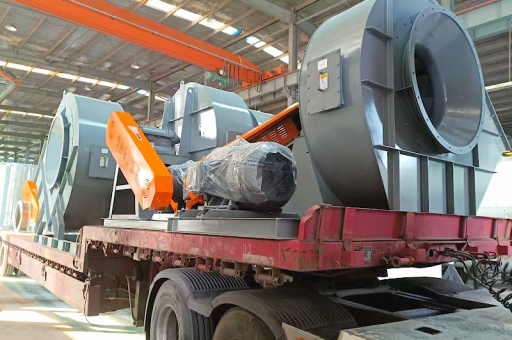
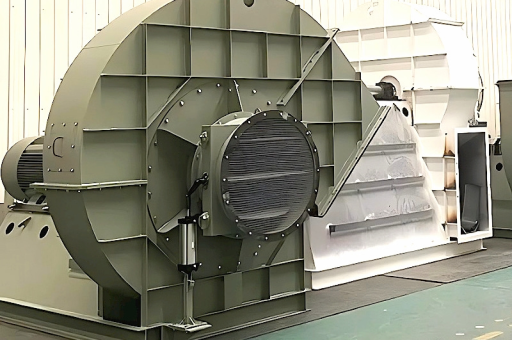
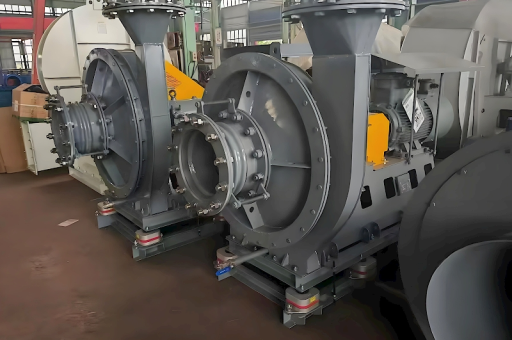
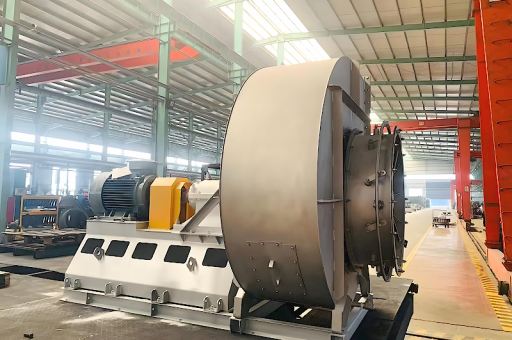
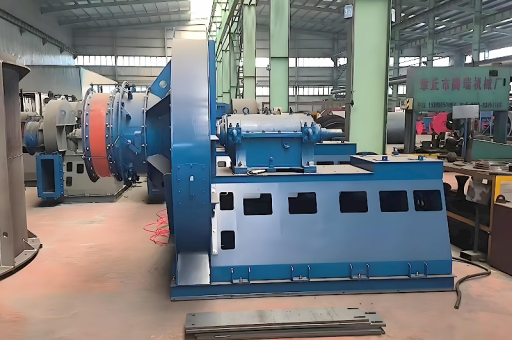
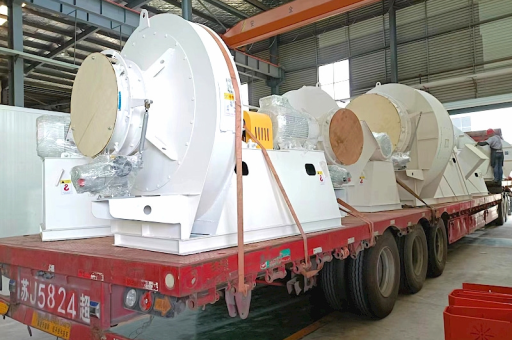
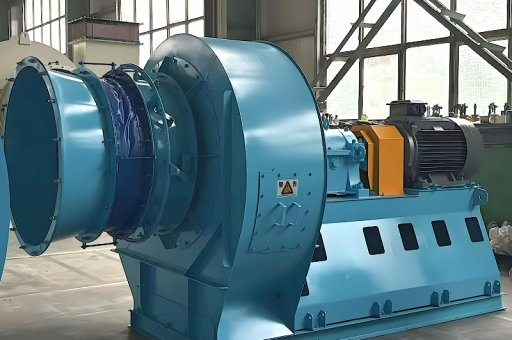
“800°C High-Temperature Fans” are specialized industrial ventilation devices designed to operate in extreme thermal environments where standard fans would fail. They are critical for processes involving furnaces, kilns, exhaust gas handling, and heat treatment.
Here is a detailed breakdown of what these fans are, their construction, applications, and key considerations.
What Defines an 800°C Fan?
A fan rated for continuous operation at 800°C (1472°F) is at the very high end of industrial fan capabilities. Most "high-temp" fans operate up to 400-600°C. Reaching 800°C requires exceptional engineering and materials. These fans can typically handle peak temperatures up to 850°C or 900°C but have a continuous rated duty of 800°C.
The critical difference is the gas temperature moving through the fan, not just the ambient air around the motor. The fan's internal components must withstand this direct heat.
Key Construction Features for 800°C Operation
| Feature | Standard Fan | 800°C High-Temperature Fan |
|---|---|---|
| Material | Mild Steel, Aluminum | High-Nickel Alloys (e.g., Inconel 600/601, Hastelloy X, SS 310S) |
| Impeller Design | Welded steel, backward curved | Cast or fabricated from superalloys, often with a radial or radial-tip blade design for strength. |
| Shaft & Bearings | Standard steel, sealed bearings | Alloy steel shaft with a cooling air gap or water-cooled bearing housing. Bearings are mounted outside the hot gas stream. |
| Motor | Direct-drive, close-coupled | Remote-mounted via a belt drive or long shaft with a cooling tunnel/ventilation wheel to keep the motor at <80°C. |
| Insulation | None | Mineral wool or ceramic fiber on the fan housing to reduce heat radiation and protect surrounding equipment. |
| Shaft Seal | Simple felt or lip seal | High-temperature labyrinth seal or purged seal with inert gas to prevent hot gas leakage. |
| Cooling System | None | Mandatory. Usually a forced air cooling fan on the shaft (like a secondary impeller) or a water jacket around the bearing housing. |
Operating Principle at 800°C
- Thermal Expansion: The fan housing and impeller are designed with substantial gaps (diametrical clearance) to allow for expansion. The housing expands at a different rate than the impeller, so they are calculated so the impeller does not seize at operating temperature.
- Strength Retention: At 800°C, standard steel loses 80-90% of its tensile strength. Superalloys like Inconel 601 retain a significant portion of their strength (e.g., 30-50% of room temperature strength), resisting creep and deformation.
- Oxidation and Corrosion: The high-nickel and chromium content in these alloys form a stable, protective oxide layer (Cr2O3 or Al2O3) that prevents scaling and chemical attack from hot gases (often containing sulfur, chlorine, or other corrosive compounds).
Common Applications
These fans are not found in general building HVAC. They are specific to industrial process environments:
- Industrial Furnaces: Recirculation of hot air for uniform heating (e.g., in heat treatment, annealing, brazing).
- Kilns: Cement, lime, and ceramic kilns for exhaust gas handling.
- Power Generation: Flue gas recirculation (FGR) and induced draft (ID) fans for boilers and incinerators.
- Metal Processing: Fume extraction from foundries, smelters, and galvanizing lines.
- Chemical Processing: Handling hot process air or gases in reactors and dryers.
- Waste-to-Energy Plants: Exhaust fans for incinerator systems.
Critical Selection & Safety Considerations
Choosing and installing an 800°C fan is a high-stakes decision. Mistakes can lead to catastrophic failure, fire, or toxic gas leaks.
- Specific Material Certification: Do not rely on "stainless steel." You need a material certificate (e.g., EN 10204 3.1) for the specific superalloy used in the impeller and housing.
- Bearing Life & Cooling: The bearings are the most common failure point. Options include:
- Air Cooling: A secondary fan wheel on the shaft pulls cool ambient air over the bearing housing and shaft seal.
- Water Cooling: Circulating water around the bearing housing is more effective for 800°C but requires a reliable water source and treatment to prevent scaling.
- Critical Speed Calculation: The fan's operating speed (RPM) must be well below its first critical speed (natural frequency). At 800°C, material stiffness decreases, lowering the critical speed. The manufacturer must verify this.
- Start-Up and Shutdown Procedures: Fans handling hot gases must be started and stopped according to a strict protocol (e.g., pre-heating the fan casing to avoid thermal shock, or purging with cold air before shutdown to prevent heat soak through the shaft to the bearings).
- Vibration Monitoring: Continuous vibration monitoring is highly recommended. An increase in vibration is the first sign of thermal distortion, bearing wear, or impeller cracking.
- Manufacturer Expertise: Do not buy these from a general fan supplier. Purchase from a reputable manufacturer specializing in high-temperature process fans (e.g., companies like Howden, New York Blower, Loren Cook (industrial), or equivalent specialists in your region).
Rough Cost vs. Standard Fan
- A standard industrial 24" fan might cost $2,000 - $5,000.
- An 800°C rated fan of the same size, made from Inconel with a water-cooled bearing system and remote motor drive, will typically cost $20,000 - $80,000+, depending on size, flow, and pressure requirements.
In summary: An 800°C high-temperature fan is a heavy-duty, specialty piece of equipment defined by its use of superalloys, forced cooling systems, and remote motor mounting. It is not a standard product and demands careful engineering, material verification, and thermal system integration.