** The Ultimate Guide to 900°C High-Temperature Fans: Design, Applications, and Industry Insights
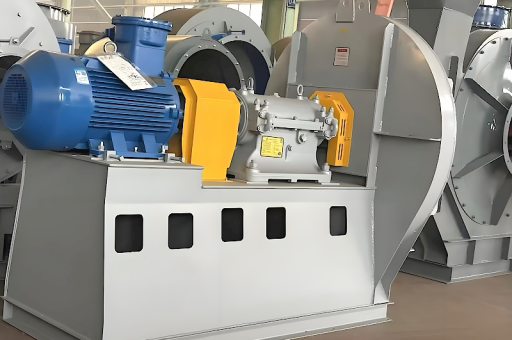
Table of Contents
- Introduction: Why 900°C High-Temperature Fans Matter
- Core Engineering Challenges at 900°C
- Key Materials and Manufacturing Innovations
- Primary Industrial Applications
- Common Questions (FAQ)
- Future Trends and Sustainability
- Conclusion
Introduction: Why 900°C High‑Temperature Fans Matter
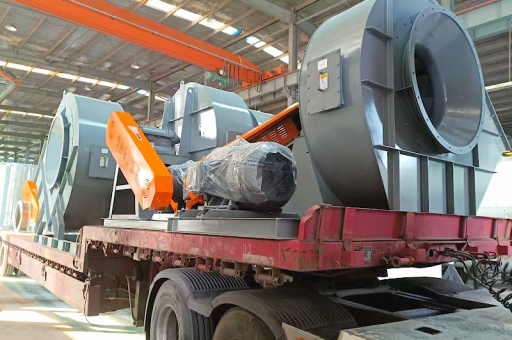
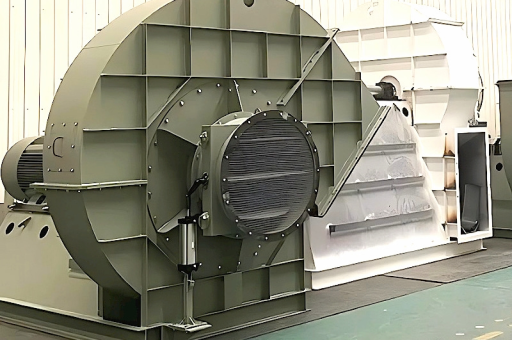
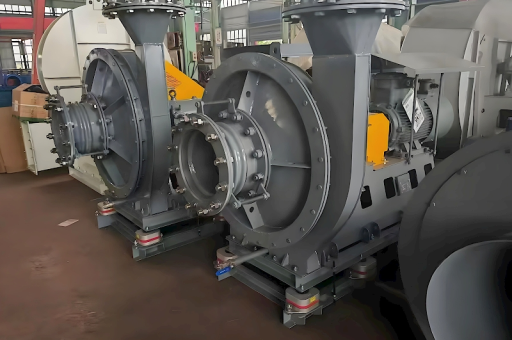
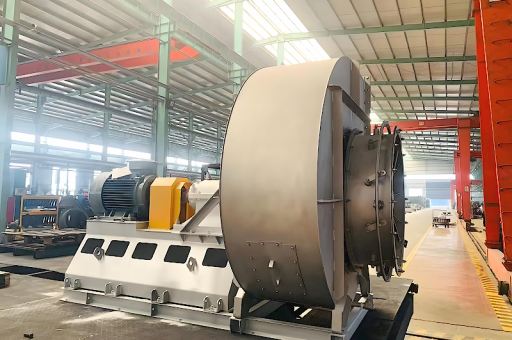
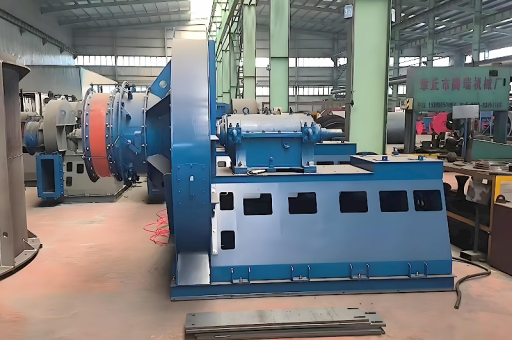
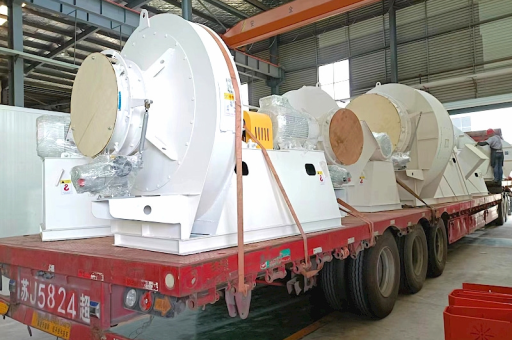
In heavy industries where process temperatures exceed the melting point of most conventional alloys, standard ventilation equipment fails within minutes. A 900°C high-temperature fan is a specialized air movement device engineered to operate continuously in environments where temperatures reach 900 degrees Celsius (1,652°F). These fans are not just "heat-resistant"—they are precision machines built with advanced metallurgy, thermal barrier coatings, and specialized motor cooling systems to maintain structural integrity and performance under extreme thermal stress.
Industries such as glass manufacturing, cement production, metal heat treatment, and waste‑to‑energy plants rely on these fans to convey combustion air, extract flue gases, and control furnace pressure. Without them, production lines would shut down, and safety risks would escalate dramatically. As global energy efficiency regulations tighten, the demand for reliable 900°C fans continues to grow. This article provides a comprehensive analysis of their design, materials, applications, and future trends.
Core Engineering Challenges at 900°C
Designing a fan that survives 900°C involves overcoming four critical hurdles:
- Thermal Expansion: At 900°C, steel expands significantly—often by 1.5% to 2% of its original length. Engineers must incorporate expansion joints and floating shaft designs to prevent binding or seizure.
- Creep and Yield Strength: Most metals lose 70–90% of their tensile strength at 900°C. Components like impellers and shafts require alloys with high creep resistance.
- Oxidation and Corrosion: Hot air accelerates oxidation. Without protective coatings, even stainless steel will scale and flake within hundreds of hours.
- Motor and Bearing Protection: Electrical motors cannot tolerate 900°C ambient temperatures. Direct‑drive fans use heat shields, forced air cooling, or remote motor mounting with extended shafts.
Manufacturers solve these issues through a combination of material science and mechanical design—topics covered in the next section.
Key Materials and Manufacturing Innovations
A. Impeller and Housing Alloys
- Inconel 600/601: Nickel‑chromium alloys that retain strength up to 1,000°C. They offer excellent oxidation resistance but are expensive.
- Hastelloy X: Superior creep‑rupture strength above 900°C, commonly used in gas turbine and industrial fan blades.
- Stainless Steel 310S: A cost‑effective option for applications under 900°C; it begins to degrade above 920°C.
B. Thermal Barrier Coatings (TBCs) Ceramic coatings such as yttria‑stabilized zirconia (YSZ) are plasma‑sprayed onto fan surfaces. These TBCs reduce metal temperature by 100–200°C, extending service life.
C. Cooling Systems for Motors
- Fan‑Cooled Motors: A separate small fan mounted outside the hot zone blows ambient air across the motor housing.
- Isolated Shaft Design: The motor is mounted on a pedestal with a long shaft connecting through a insulated penetration. This keeps the motor below 40°C even when the fan inlet is at 900°C.
D. Welding and Fabrication All seams are welded using automated processes with matching filler metals. Post‑weld heat treatment (PWHT) is mandatory to relieve thermal stresses.
Primary Industrial Applications
A. Glass Manufacturing In float glass and container glass lines, 900°C fans deliver combustion air to furnaces and extract hot gases from regenerators. Failure of these fans can cause catastrophic glass quality defects.
B. Cement and Lime Kilns Cement plants use these fans for preheater tower exhaust and clinker cooler ventilation. The dust‑laden, highly corrosive atmosphere demands abrasion‑resistant impellers.
C. Metal Heat Treatment Annealing, galvanizing, and forging furnaces require precise atmosphere control. High‑temperature fans circulate protective gases such as nitrogen or hydrogen at 900°C to prevent oxidation of steel parts.
D. Waste‑to‑Energy (WtE) Plants Incinerators operate between 850°C and 1,000°C to destroy dioxins. Fans must handle acidic flue gases containing HCl, SO₂, and fly ash.
E. Wind Turbine Manufacturing (Relevant Note) While wind turbines themselves operate at ambient temperatures, the production of turbine nacelle components—such as cast iron hubs and steel gearboxes—requires 900°C fans in foundries and heat‑treatment facilities. Therefore, the reliability of these fans indirectly supports the renewable energy supply chain.
Common Questions (FAQ)
Q1: Can a standard industrial fan be modified to handle 900°C? No. Standard fans use carbon steel or low‑grade stainless steel that loses structural integrity above 500°C. Attempting to modify them risks catastrophic failure, fire, or explosion.
Q2: How long does a 900°C high‑temperature fan typically last? With proper material selection and maintenance, a well‑designed fan can operate for 15,000–30,000 hours. Factors such as corrosive contaminants, thermal cycling, and vibration accelerate wear.
Q3: What maintenance is required?
- Weekly: Check bearings lubrication (high‑temperature grease) and vibration levels.
- Monthly: Inspect impeller for cracks and erosion; clean coating surfaces.
- Annually: Perform thermographic scans and replace seals.
Q4: Are there energy‑efficient designs for 900°C fans? Yes. Modern designs use aerodynamic impellers (backward‑curved blades) to reduce turbulence and power consumption. Variable frequency drives (VFDs) allow speed control to match process demand.
Q5: What safety standards apply? Key standards include ISO 1940 (balance quality), API 610 (for refinery applications), and ATEX (for explosive atmospheres). Certification bodies like TÜV and UL test fans for thermal runaway resistance.
Q6: How do 900°C fans support sustainable industries? By enabling higher furnace efficiency and reducing fuel consumption, these fans lower CO₂ emissions. In waste‑to‑energy plants, they help recover energy from garbage, reducing landfill reliance.
Future Trends and Sustainability
A. Additive Manufacturing (3D Printing) Laser‑powder‑bed fusion of Inconel or Hastelloy allows complex impeller geometries that improve airflow efficiency by up to 12%. This also reduces material waste compared to traditional casting.
B. Smart Monitoring and IoT Embedded sensors measure temperature, vibration, and shaft deflection in real‑time. Machine learning algorithms predict remaining useful life and schedule maintenance before failure occurs.
C. Green Hydrogen Compatibility As industries shift to hydrogen as a fuel source, fans must handle H₂O vapor and higher flame temperatures. New coatings and alloys are being developed for 950°C+ hydrogen combustion environments.
D. Lightweight wind turbine Components The growing wind energy sector requires 900°C fans for casting and heat‑treating large parts like turbine hubs and generator shafts. Manufacturers are investing in modular fan designs to support decentralized production of wind turbine components.
E. Circular Economy Fans are now designed for easier disassembly and refurbishment. Old impellers can be recoated and rebalanced, extending life and reducing landfill waste.
Conclusion
The 900°C high-temperature fan is a marvel of engineering that bridges the gap between raw thermal energy and controlled industrial processes. From glass furnaces to waste‑to‑energy plants and even the production of wind turbine parts, these fans ensure safety, efficiency, and reliability in the most demanding environments on Earth.
Selecting the right fan requires a deep understanding of material science, fluid dynamics, and thermal management—and working with reputable manufacturers who adhere to global standards. As industries push toward higher temperatures, lower emissions, and greater sustainability, the role of 900°C fans will only become more critical.
For engineers, plant managers, and procurement specialists, investing in a high‑quality fan is not a cost—it is a safeguard against downtime and a step toward operational excellence.