This article's table of contents introduction:
- Introduction: Why Wear Resistance Matters in Fan Systems
- Understanding Ceramic Wear-Resistant Technology
- Key Applications: Where Ceramic Fans Excel
- Comparative Analysis: Ceramic vs. Traditional Metal Fans
- Design and Manufacturing Considerations
- Frequently Asked Questions (FAQ)
- Future Trends and Sustainability in Fan Technology
** The Critical Role of Ceramic Wear-Resistant Fans in Industrial Efficiency and Longevity
Table of Contents:
- Introduction: Why Wear Resistance Matters in Fan Systems
- Understanding Ceramic Wear-Resistant Technology
- Key Applications: Where Ceramic Fans Excel
- Comparative Analysis: Ceramic vs. Traditional Metal Fans
- Design and Manufacturing Considerations
- Frequently Asked Questions (FAQ)
- Future Trends and Sustainability in Fan Technology
Introduction: Why Wear Resistance Matters in Fan Systems
In heavy industries such as cement, steel, power generation, and mining, fans are the lungs of the operation. They move abrasive dust, hot gases, and particulate-laden air through ducts and cyclones. However, this relentless exposure to erosion, corrosion, and high temperatures leads to rapid degradation of standard carbon steel or stainless steel fan blades and housings. Frequent replacements not only incur high maintenance costs but also cause unplanned downtime.
This is where ceramic wear-resistant fans have emerged as a transformative solution. By integrating advanced ceramic materials into the fan's construction, manufacturers have dramatically extended service life—often by 3 to 5 times compared to traditional hard-faced or lined metal fans. But what exactly makes these fans so durable, and are they suitable for every application? This article provides a comprehensive, search-engine-optimized exploration of ceramic wear-resistant fans, backed by technical insights and real-world performance data.
Understanding Ceramic Wear-Resistant Technology
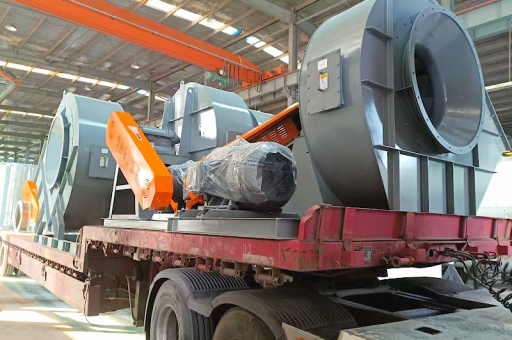
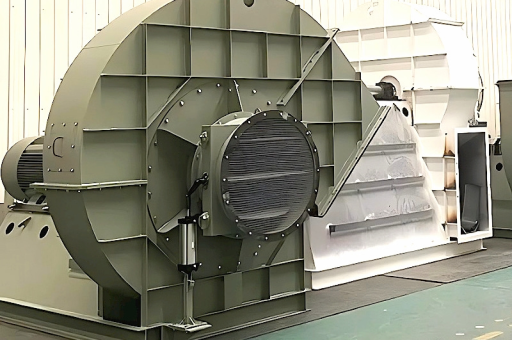
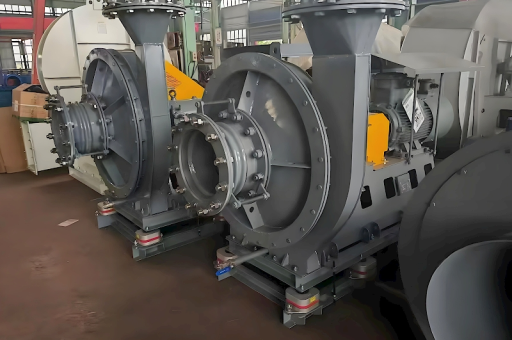
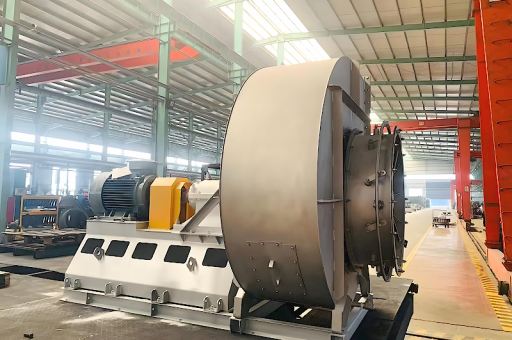
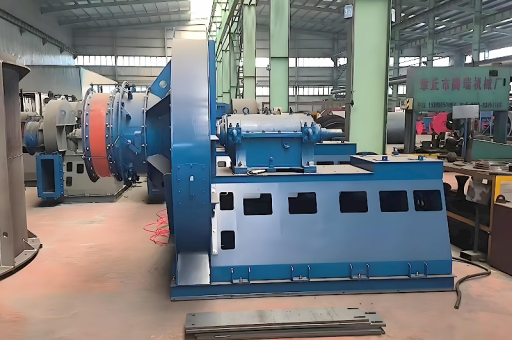
The term "ceramic fan" is somewhat misleading—it does not mean the entire fan is made of solid ceramic. Instead, the most common approach is ceramic overlay or ceramic lining. High-purity alumina (Al₂O₃) or zirconia (ZrO₂) tiles, often 5mm to 20mm thick, are bonded to the leading edges, blade surfaces, and housing of a metal fan base using high-strength epoxy or mechanical interlocking.
Why ceramic? Because its hardness ranks just below diamond on the Mohs scale. Alumina ceramic, for example, has a hardness of 9 on the Mohs scale, compared to 5.5 for hardened steel. More importantly, ceramic exhibits exceptional resistance to abrasive wear—the primary failure mode in fans handling fly ash, coal dust, or silica sand. Additionally, advanced ceramic formulations resist chemical attack from acidic flue gases, and some grades can withstand continuous operation at temperatures up to 650°C (1200°F).
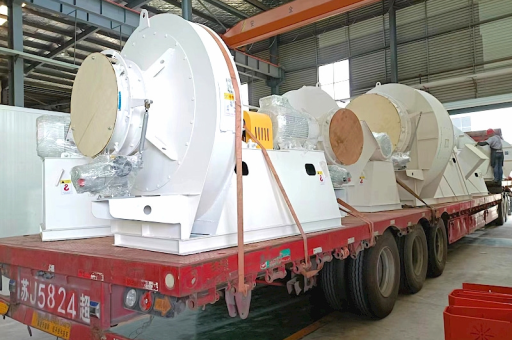
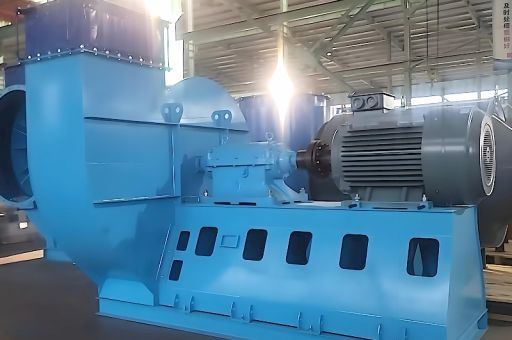
A critical but often overlooked component is the wind turbine of the fan system. In large industrial fans, the impeller assembly, driven by a motor via a shaft, is essentially a wind turbine in reverse—it consumes power to move air rather than extracting it. When coated with ceramic tiles, the blades of this "wind turbine" maintain their aerodynamic profile far longer, sustaining fan efficiency above 80% even after years of dust exposure.
Key Applications: Where Ceramic Fans Excel
Ceramic wear-resistant fans are not a universal solution for every low-wear environment. They are specifically designed for high-severity conditions. The dominant sectors include:
- Cement Industry: Fans handling raw meal, coal mill exhaust, and clinker cooler dust. Here, uncoated fans may fail in 6–12 months; ceramic-lined fans often exceed 5 years of continuous operation.
- Steel Mills: Sinter plant dust fans and blast furnace gas fans. The combination of fine iron oxide particles and high temperatures (300–500°C) destroys standard alloys rapidly.
- Power Generation: Induced draft (ID) fans and primary air fans in coal-fired power plants. Fly ash is extremely abrasive, especially at high velocities. Ceramic fans also reduce the need for balancing corrections due to uneven wear.
- Mining & Minerals: Exhaust fans in ore processing plants handling copper, gold, or phosphate rock dust.
In all these cases, the wind turbine effect is preserved. Because ceramic does not wear away at the leading edge, the airfoil shape stays intact, preventing the efficiency drop that forces motor overloads in older metal fans.
Comparative Analysis: Ceramic vs. Traditional Metal Fans
| Feature | Standard Steel/Alloy Fan | Ceramic Wear-Resistant Fan |
|---|---|---|
| Hardness (Mohs) | 4–6 | 8–9 (Alumina/Zirconia) |
| Abrasion Resistance | Low to moderate | 5–10x higher |
| Maximum Temperature | Up to 450°C (with alloys) | Up to 650°C (with high-temp ceramic) |
| Weight | Heavier | Slightly heavier (ceramic adds mass) |
| Repairability | Weldable, patchable | Requires specialized ceramic patch kits |
| Initial Cost | Lower | 2–3x higher |
| Lifecycle Cost | High (frequent replacement) | Very low (long intervals) |
Key Insight: While the upfront investment is significant, total cost of ownership (TCO) for ceramic fans is dramatically lower in abrasive environments. One European cement plant reported a 73% reduction in annual fan maintenance costs after switching to ceramic-lined models.
Design and Manufacturing Considerations
Producing a reliable ceramic wear-resistant fan involves more than gluing tiles onto metal. Key engineering factors include:
- Tile Geometry: Small hexagonal or square tiles (25–50mm) are preferred over large slabs, as they better absorb thermal expansion stress and impact forces.
- Attachment Method: For high-temperature applications, mechanical retention (e.g., dovetail slots or studs) is used instead of adhesive-only bonding.
- Aerodynamic Balance: Every tile adds weight. Manufacturers must rebalance the fan impeller after lining to avoid vibration. A poorly balanced wind turbine assembly can destroy bearings in hours.
- Leading Edge Protection: The blade's leading edge receives the highest impact velocity. Many designs use a thicker ceramic “nose cone” or a fully ceramic insert here.
- Housing and Weld Overlay: The fan housing, often made of AR400 abrasion-resistant steel, can also be lined with ceramic or coated with a tungsten carbide weld overlay to match the impeller's durability.
Frequently Asked Questions (FAQ)
Q1: Do ceramic fans crack easily? A: While ceramic is brittle, modern designs use shock-absorbing adhesive layers and flexible rubber interlayers to prevent crack propagation. They are not for high-impulse impacts (e.g., hammer mill hammer throws), but they handle continuous particle erosion exceptionally well.
Q2: Can I retrofit my existing fan with ceramic lining? A: Yes, many specialized service companies can strip your existing impeller and apply ceramic tiles on-site or in their workshop. However, the base metal must be structurally sound, and a rebalancing step is mandatory.
Q3: How does a ceramic fan affect the wind turbine analogy in industrial systems? A: In an industrial fan, the rotating blades perform exactly the same function as a wind turbine rotor—they convert rotational kinetic energy into fluid movement. By preserving blade profile integrity, a ceramic fan ensures that this "wind turbine" operates at its designed peak efficiency for years, not months.
Q4: Are there limits to operating speed? A: Yes. The maximum tip speed is typically lower than with steel blades due to the added weight of ceramic. Most suppliers recommend ceramic fans for tip speeds below 120 m/s to avoid excessive centrifugal stress on the bonding layer. High-speed fans may require thinner tiles or alternative ceramic materials.
Q5: What about the environment? Is ceramic disposal an issue? A: Alumina ceramic is chemically inert and non-toxic. Spent ceramic tiles can be crushed and recycled as industrial filler. The extended lifespan of ceramic fans also reduces the carbon footprint associated with mining and melting new steel for replacements.
Future Trends and Sustainability in Fan Technology
The industrial sector is under increasing pressure to improve energy efficiency and reduce downtime. Ceramic wear-resistant fans align perfectly with these goals. Emerging trends include:
- 3D-Printed Ceramic Inserts: Some manufacturers now use additive manufacturing to produce complex tile geometries that optimize airflow while maximizing wear protection.
- Smart Monitoring: Embedding sensors within the ceramic lining to detect microscopic cracks or delamination before catastrophic failure occurs.
- Hybrid Designs: Combining ceramic tiles on the impeller with advanced polymer linings in the housing to reduce weight and noise.
- Renewable Energy Synergy: In wind power, the same ceramic coatings are being tested for wind turbine blade leading edge protection against rain erosion and dust. The cross-pollination of materials science between industrial fans and wind turbines is accelerating innovation.
Ultimately, the choice to invest in a ceramic wear-resistant fan is a strategic decision—one that pays dividends in operational reliability and lower total costs. For any facility that processes abrasive materials, these fans are no longer a premium option; they are an industrial necessity.