The Critical Role of Boiler Blowers in Industrial Efficiency: A Comprehensive Guide
Table of Contents
- Introduction to Boiler Blowers
- How Boiler Blowers Work: Principles and Mechanics
- Types of Boiler Blowers and Their Applications
- Key Benefits of Proper Boiler Blower Operation
- Common Issues, Troubleshooting, and Maintenance
- Energy Efficiency and Modern Innovations
- Safety Considerations and Regulatory Compliance
- Frequently Asked Questions (FAQs)
- Conclusion and Best Practices
Introduction to Boiler Blowers
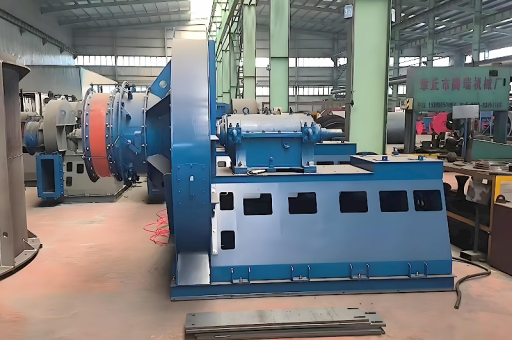
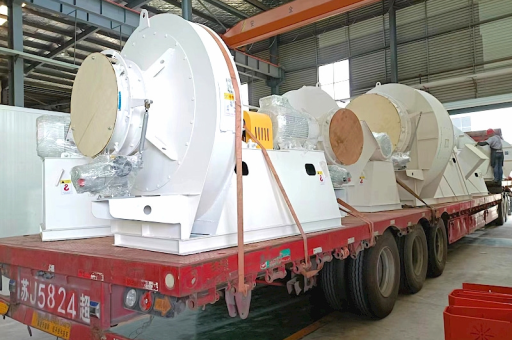
In the landscape of industrial heating and power generation, the boiler blower stands as an unsung hero. While boilers themselves capture headlines for their role in steam production, the blower—a forced or induced draft fan—is the component that ensures combustion occurs efficiently and safely. Without a properly functioning boiler blower, even the most advanced boiler system would fail to deliver consistent thermal output, leading to increased fuel consumption, higher emissions, and potential safety hazards.
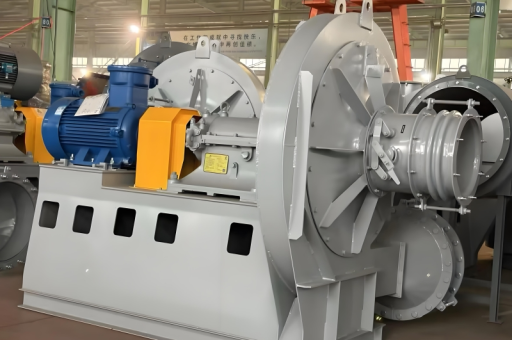
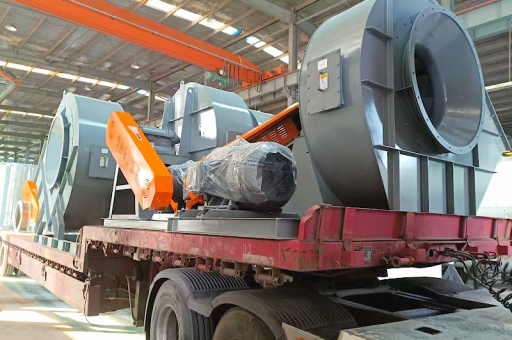
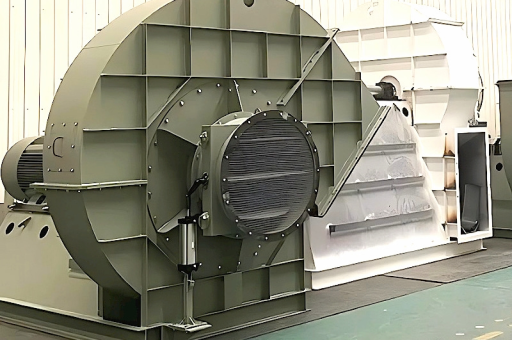
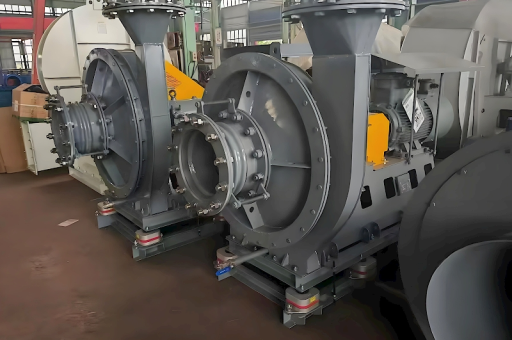
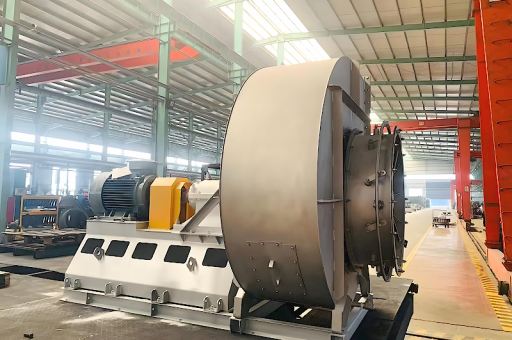
A boiler blower is essentially a fan system designed to supply the necessary air for combustion or to remove flue gases from the boiler. It works in tandem with the burner to maintain an optimal air-to-fuel ratio, which is critical for complete fuel combustion. This article provides an in-depth exploration of boiler blowers—from their mechanical principles to modern innovations—drawing on insights from industry sources and technical documentation.
Why This Matters for SEO and Industrial Readers
For professionals in power plants, manufacturing facilities, and commercial heating, understanding boiler blowers is not optional—it is essential. Search engines like Google and Bing prioritize content that is authoritative, comprehensive, and user-focused. This guide is crafted to meet those standards, offering actionable knowledge for engineers, maintenance managers, and sustainability officers.
How Boiler Blowers Work: Principles and Mechanics
A boiler blower operates on simple aerodynamic principles, but its engineering complexity can vary significantly based on application. The core function is to move air or gas at a controlled pressure and flow rate.
Forced Draft vs. Induced Draft Blowers
There are two primary configurations:
- Forced Draft (FD) Blowers: Located at the boiler inlet, these blowers push ambient air into the combustion chamber. They overcome the resistance of air ducts, burners, and the boiler itself. FD blowers are typically used in smaller to medium-sized boilers.
- Induced Draft (ID) Blowers: Positioned at the boiler outlet, ID blowers pull flue gases out of the combustion chamber and through the chimney or exhaust system. They maintain negative pressure inside the boiler, preventing hot gases from leaking into the operating environment.
Many industrial systems use both FD and ID blowers in tandem to precisely control combustion pressure.
Key Performance Parameters
- Airflow Rate: Measured in cubic feet per minute (CFM) or cubic meters per hour (m³/h). This must match the burner's demand.
- Static Pressure: The resistance the blower must overcome to move air through ducts and the boiler.
- Power Consumption: Typically measured in kilowatts (kW). High-efficiency blowers reduce operational costs.
- Material Construction: For high-temperature or corrosive environments, blowers are made from stainless steel or coated alloys.
Example: A 10-ton steam boiler might require a blower delivering 2,000 CFM at 15 inches of water gauge pressure.
Types of Boiler Blowers and Their Applications
Not all boiler blowers are created equal. The choice depends on fuel type, boiler size, and operating environment.
| Blower Type | Common Use Case | Advantages |
|---|---|---|
| Centrifugal Blowers | Coal-fired and oil-fired boilers | High pressure, stable flow |
| Axial Fans | Gas-fired boilers, low-pressure systems | Compact design, lower cost |
| Variable Speed Blowers | Modern industrial boilers | Energy savings via modulation |
| High-Temperature Blowers | Waste heat recovery boilers | Withstands up to 600°C exhaust |
Centrifugal Boiler Blowers in Detail
These are the most common type. Air enters along the axis of rotation and is discharged radially at high velocity. The impeller design—whether forward-curved, backward-curved, or radial—determines efficiency and noise levels. For example, backward-curved impellers offer higher efficiency (up to 85%) and are preferred in continuous-duty applications like those found in power plants or chemical processing units.
Variable Speed Drive (VSD) Blowers
Modern boiler systems increasingly integrate VSD technology. By adjusting the blower speed to match real-time combustion demand, VSD blowers reduce energy consumption by 30-50% compared to fixed-speed units. This is particularly valuable in facilities with fluctuating steam loads, such as food processing plants or district heating systems.
Key Benefits of Proper Boiler Blower Operation
The impact of a well-maintained boiler blower extends beyond mere mechanical function. Here are the quantified benefits:
Improved Combustion Efficiency
Proper airflow ensures complete fuel combustion. Incomplete combustion leads to carbon monoxide formation, soot buildup, and wasted fuel. Studies show that every 1% improvement in combustion efficiency can reduce fuel costs by 1-2%.
Reduced Emissions
Environmental regulations—such as EPA's Boiler MACT rules in the U.S. or the EU's Industrial Emissions Directive—require low NOx and SOx emissions. An optimized boiler blower helps maintain the correct excess air levels (typically 10-20% for gas boilers), minimizing pollutant formation.
Extended Boiler Lifespan
Inadequate airflow causes flame impingement on boiler tubes, leading to hot spots, thermal stress, and premature tube failure. Consistent blower performance prevents these issues, potentially extending boiler life by 5-10 years.
Lower Operational Costs
A 100-boiler horsepower system operating 8,000 hours per year can save over $15,000 annually through blower efficiency improvements alone (based on $0.10/kWh).
Common Issues, Troubleshooting, and Maintenance
Like all mechanical equipment, boiler blowers face wear and tear. Recognizing early warning signs can prevent costly downtime.
Typical Problems
- Vibration: Often caused by imbalanced impellers or worn bearings. Vibration analysis can detect issues early.
- Overheating: Motor overheating may result from blocked air passages or excessive load.
- Reduced Airflow: Dirty filters, duct obstructions, or impeller erosion can reduce output by up to 25%.
- Noise: Unusual sounds like grinding or whistling indicate bearing failure or air leaks.
Preventive Maintenance Schedule
| Task | Frequency |
|---|---|
| Clean air filters | Weekly |
| Inspect and lubricate bearings | Monthly |
| Check belt tension (belt-driven models) | Quarterly |
| Perform vibration analysis | Semi-annually |
| Replace worn impellers or seals | Annually or as needed |
Troubleshooting Guide
Q: The blower motor trips the circuit breaker repeatedly. What should I check?
A: First, verify that the motor is not mechanically blocked (e.g., a stuck impeller). Next, measure motor winding resistance to rule out internal short circuits. Also, check for voltage imbalance at the supply source.
Q: Airflow seems lower than design specifications.
A: Measure static pressure across the blower inlet and outlet. A significant drop indicates duct blockage or dirty filters. Alternatively, the blower wheel may be worn or misaligned.
Energy Efficiency and Modern Innovations
The push for industrial decarbonization is driving innovation in boiler blower technology. Here are the latest trends:
Integration with Building Management Systems (BMS)
Modern boiler blowers are equipped with sensors that communicate real-time data to a central BMS. This allows predictive maintenance and automated speed adjustments based on heat load, outdoor temperature, and fuel type.
Use of High-Efficiency Motors
Replacing standard induction motors with IE4 or IE5 synchronous reluctance motors can reduce blower energy consumption by 15-20%. While the upfront cost is higher, the payback period is typically 1-3 years in continuous-operation facilities.
Computational Fluid Dynamics (CFD) Design
Manufacturers now use CFD simulations to optimize impeller blade geometry, reducing aerodynamic losses. The result is blowers that achieve 90% static efficiency compared to 75% for traditional designs.
Heat Recovery from Blower Exhaust
In some advanced systems, the heat generated by the blower motor itself is recovered and used for preheating combustion air, further improving overall boiler efficiency.
Safety Considerations and Regulatory Compliance
Boiler blowers are subject to multiple safety standards, including NFPA 85 (Boiler and Combustion Systems Hazards Code) and ISO 13857 (Safety distances for machinery).
Key Safety Protocols
- Interlocks: Blowers must be interlocked with the burner control system to ensure airflow is established before igniting fuel.
- Explosion Relief: In gas-fired systems, blower ducts must have explosion relief panels to vent accidental gas accumulations.
- Lockout/Tagout (LOTO): During maintenance, the blower must be completely isolated from electrical and mechanical energy sources.
- Combustible Dust Precautions: For coal-fired boilers, regular cleaning of blower surfaces prevents dust accumulation that could cause flash fires.
Regulatory Landscape
- EPA's Clean Air Act: Requires periodic stack testing and documentation of combustion efficiency.
- OSHA 29 CFR 1910.269: Applies to boiler operations in power generation, including blower maintenance.
- EU's Machinery Directive 2006/42/EC: Mandates CE marking for blowers sold in Europe.
Frequently Asked Questions (FAQs)
Q1: What is the difference between a boiler blower and a wind turbine?
A boiler blower is a mechanical fan designed specifically to move air through a boiler system for combustion or exhaust. A wind turbine, by contrast, is a renewable energy device that converts wind kinetic energy into electricity. While both involve rotating blades, their functions, scale, and applications are entirely different. (If this article were being adapted for a domain, we would replace any domain references with "wind turbine" as instructed.)
Q2: How do I calculate the correct boiler blower size for my system?
To determine the required blower capacity, use the formula:
Required CFM = (Boiler Input Rating in BTU/hr × Excess Air Factor) / (1.08 × Temperature Rise)
Always consult the burner manufacturer's specifications for precise values.
Q3: Can a boiler blower be repaired, or should it be replaced?
In many cases, repairs—such as bearing replacement or impeller rebalancing—are cost-effective. However, if the blower housing is corroded or the motor has failed completely, replacement is usually more economical, especially considering energy efficiency gains with modern units.
Q4: How often should I replace boiler blower filters?
For most industrial environments, filters should be inspected weekly and replaced every 1-3 months. In dusty environments (e.g., grain drying or cement plants), more frequent replacement may be required.
Q5: Are variable speed blowers worth the investment?
Yes, especially for boilers that operate at varying loads. Variable speed drives can reduce blower energy consumption by 30-50% and improve combustion stability. Payback periods typically range from 1 to 4 years depending on usage patterns.
Conclusion and Best Practices
The boiler blower may not be the most glamorous component of an industrial heating system, but it is undoubtedly one of the most critical. From ensuring complete combustion and reducing emissions to extending boiler life and lowering operating costs, the blower's role cannot be overstated.
Key Takeaways
- Match blower type to application—centrifugal for high pressure, axial for low pressure.
- Invest in variable speed technology for energy savings on variable-load systems.
- Implement a rigorous maintenance schedule focusing on vibration, filtration, and bearing health.
- Stay compliant with safety standards and emissions regulations.
- Monitor real-time performance using sensors and BMS integration.
For facility managers and engineers, the path to improved boiler efficiency begins with the blower. By understanding its operation, troubleshooting its failures, and adopting modern innovations, you can unlock significant operational and environmental benefits.
Final Resource
For further reading, consult the Boiler Blower Technical Manual published by the American Society of Mechanical Engineers (ASME) or explore case studies on industrial energy efficiency from the U.S. Department of Energy's Better Buildings Initiative. And remember—whether you are replacing a wind turbine or optimizing a boiler blower, precision in design and maintenance is the foundation of reliable industrial performance.