This article's table of contents introduction:
- Table of Contents
- Introduction: The Role of the 4-79-12D Centrifugal Fan in Modern Industry
- Technical Specifications: Understanding the 4-79-12D Design and Performance
- Core Advantages: Why the 4-79-12D Stands Out in Air Handling
- Common Applications: From HVAC to Dust Collection
- Installation & Maintenance Best Practices for Longevity
- Performance Optimization: Matching Fan Curves to System Resistance
- Frequently Asked Questions (FAQ)
- Conclusion: The Future of Centrifugal Fan Technology
*Optimizing Industrial Ventilation: A Comprehensive Guide to the 4-79-12D Centrifugal Fan for High-Efficiency Airflow Systems*
Table of Contents
- Introduction: The Role of the 4-79-12D Centrifugal Fan in Modern Industry
- Technical Specifications: Understanding the 4-79-12D Design and Performance
- Core Advantages: Why the 4-79-12D Stands Out in Air Handling
- Common Applications: From HVAC to Dust Collection
- Installation & Maintenance Best Practices for Longevity
- Performance Optimization: Matching Fan Curves to System Resistance
- Frequently Asked Questions (FAQ)
- Conclusion: The Future of Centrifugal Fan Technology
Introduction: The Role of the 4-79-12D Centrifugal Fan in Modern Industry
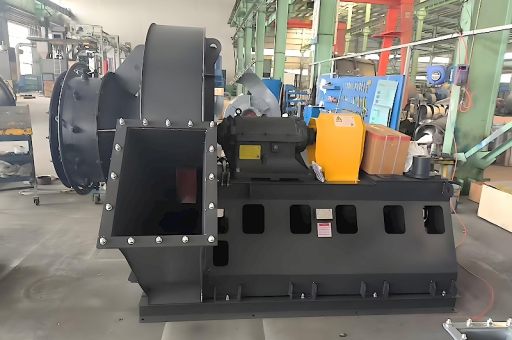
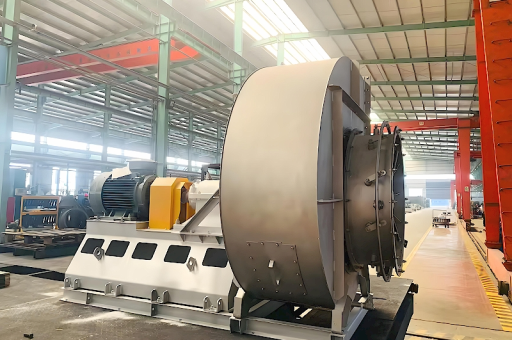
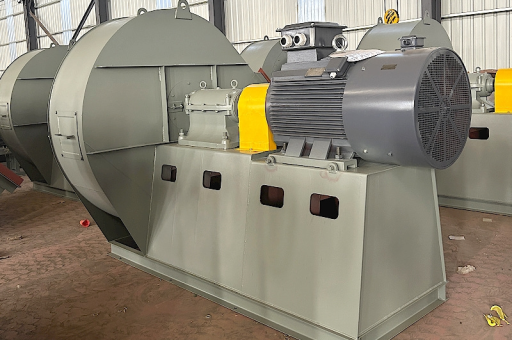
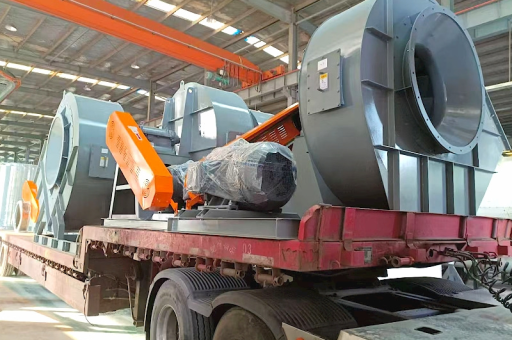
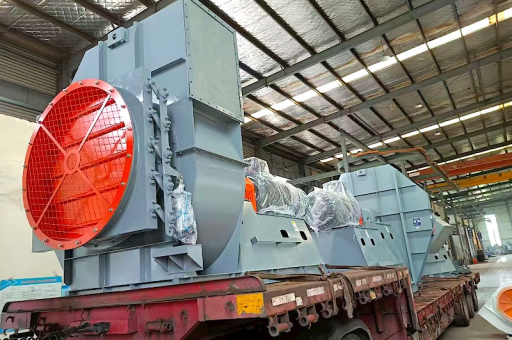
In the landscape of industrial ventilation, the 4-79-12D centrifugal fan has emerged as a workhorse for heavy-duty air movement. Whether you are managing a chemical plant, a power generation facility, or a commercial HVAC system, selecting the right fan is critical to energy efficiency, safety, and operational uptime. This fan model, often referenced in engineering catalogs, represents a balanced blend of backward-curved blade aerodynamics, robust construction, and scalable performance.
This article provides an in-depth analysis of the 4-79-12D, drawing on technical literature, industry case studies, and manufacturer specifications. We will cover its unique characteristics, installation pitfalls, and how to maximize its return on investment through proper sizing and maintenance.
Technical Specifications: Understanding the 4-79-12D Design and Performance
The "4-79-12D" nomenclature is not arbitrary. It follows a standardized coding system used by many industrial fan manufacturers to define the wheel diameter, blade configuration, and bearing arrangement.
-
Breaking Down the Code:
- 4: Indicates the series or lineage of the fan. The "4" series typically denotes backward-curved, airfoil blades designed for high efficiency and non-stalling operation.
- 79: This number refers to the wheel diameter in inches (approx. 2,006 mm). It is a large-format wheel, suitable for moving high volumes of air against moderate to high static pressures.
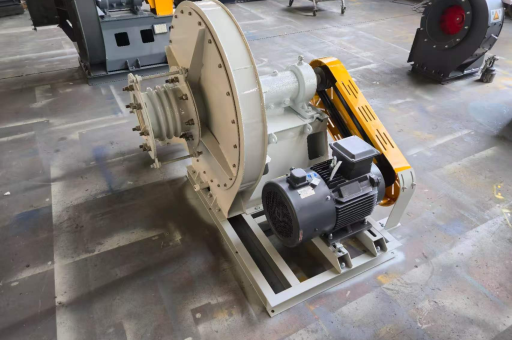
- 12: The bearing and drive arrangement code. "12" usually signifies an arrangement with two pedestal bearings mounted on a common base, supporting a single-width, single-inlet (SWSI) configuration.
- D: Often indicates a direct drive connection, meaning the fan wheel is mounted directly onto the motor shaft, eliminating belt slippage and reducing maintenance. However, in some contexts, it may refer to the rotation (clockwise or counterclockwise) or a specific outlet position.
-
Performance Metrics:
- Airflow (CFM): Depending on the operating point, the 4-79-12D can handle between 30,000 CFM and over 80,000 CFM.
- Static Pressure (inches w.g.): Typical operating range falls between 5" and 20" w.g., making it ideal for ducted systems with filters, coils, and dampers.
- Efficiency: Backward-curved blades (airfoil profile) achieve peak efficiencies of 82% to 88%, significantly reducing energy consumption compared to radial or forward-curved designs.
Core Advantages: Why the 4-79-12D Stands Out in Air Handling
When comparing centrifugal fans, the 4-79-12D offers several distinct advantages that make it a preferred choice for engineers and facility managers.
- Non-Overloading Power Curve: Unlike forward-curved fans, the backward-curved blade design of the 4-79-12D ensures that the motor horsepower requirement peaks near the mid-range of the flow curve. This means that if the system resistance unexpectedly drops (e.g., a filter blows out), the fan motor will not overload and trip a breaker.
- High Static Pressure Capability: The large diameter (79") and airfoil blades allow the fan to maintain high efficiency even in systems with dense ductwork, lengthy runs, or high-pressure drops.
- Low Noise Generation: Backward-curved blades generate less turbulence than radial-blade fans, resulting in lower sound levels. This is critical in environments near office spaces or residential areas.
- Robust Construction: Typical construction includes heavy-gauge steel housings, reinforced wheel hubs, and shaft seals designed for temperatures up to 250°F (120°C). Optionally, coatings for corrosive or explosive environments are available.
Common Applications: From HVAC to Dust Collection
The 4-79-12D centrifugal fan is not a one-size-fits-all device, but its versatility covers a wide range of demanding sectors.
- Industrial HVAC: Used in large assembly plants, warehouses, and convention centers to move heated or cooled air through extensive duct networks.
- Dust Collection & Pneumatic Conveying: In woodworking mills, grain elevators, and cement plants, the fan handles abrasive particulate matter. The backward-curved blades reduce material buildup compared to radial designs.
- Fume Extraction: Chemical processing and welding shops rely on the 4-79-12D to exhaust hazardous fumes, often constructed with stainless steel or fiberglass-reinforced plastic (FRP) for corrosion resistance.
- Boiler & Kiln Air Supply: Power plants use this fan for forced draft (FD) or induced draft (ID) applications, providing combustion air or exhausting flue gases.
Installation & Maintenance Best Practices for Longevity
A common pitfall with large centrifugal fans is improper installation, which leads to premature bearing failure or vibration issues. Follow these guidelines for the 4-79-12D.
- Foundation & Alignment: The fan base must be installed on a rigid concrete foundation that is level within 0.002 inches per foot. Use a laser alignment tool to check the motor-to-fan shaft coupling (if direct drive) or the motor pulley alignment (if belt drive).
- Inlet & Duct Connections: Ensure that the inlet ductwork is straight for at least 2.5 times the inlet diameter before the fan bell mouth. A curved or obstructed inlet creates pre-rotation, significantly reducing performance and increasing noise.
- Vibration Monitoring: Install accelerometers on the bearing housings. Baseline vibration levels should be below 0.15 in/s (RMS) at operating speed. Schedule monthly readings; an increase of 0.05 in/s warrants inspection.
- Bearing Lubrication: Use a high-quality NLGI #2 grease (e.g., Mobil Polyrex EM). For the 4-79-12D's pedestal bearings, apply 1-2 pumps of grease every 500 operating hours. Do not over-grease, as this can cause overheating.
- Wheel Cleaning: For dusty applications, schedule quarterly inspections. Use compressed air or soft brushes to remove any accumulated material from the concave side of the blades. An imbalance of just a few grams can cause rapid bearing wear.
Performance Optimization: Matching Fan Curves to System Resistance
Selecting the correct operating point is the single most impactful action for energy savings. The 4-79-12D is most efficient when the system curve is accurately calculated.
- System Curve Analysis: Calculate the total static pressure at the desired CFM, including losses from filters, dampers, coils, and duct friction. Plot this on the fan performance curve.
- Variable Speed Drives (VFDs): Use a VFD to control the fan speed rather than dampers or inlet vanes. The affinity laws dictate that reducing speed by 20% reduces power consumption by almost 50%. For the 4-79-12D, a VFD is the most cost-effective upgrade.
- Avoid Over-Sizing: Many operators spec a fan larger than necessary to have a "safety margin." This forces the fan to run at a lower efficiency point on its curve (often to the left of peak). Instead, choose a fan that operates within the green band (70-90% of the wide-open flow) to maximize efficiency and minimize sound.
Frequently Asked Questions (FAQ)
Q: What is the typical lifespan of a 4-79-12D centrifugal fan? A: With proper maintenance (bearings lubricated, wheel balanced, and clean), the mechanical lifespan can exceed 25 years. Motors may need rewinding or replacement after 10–15 years based on usage.
Q: Can the 4-79-12D be used for explosion-proof applications? A: Yes. It can be manufactured with non-sparking materials (e.g., aluminum impeller, copper insert in the housing). Additionally, the motor must be rated for the specific Class/Division group. Always consult with the manufacturer.
Q: How do I determine if my fan is running in the "stall" region? A: Stall is characterized by unstable airflow, pulsing noise, and rapid fluctuations in current draw. If your static pressure is near the high end of the curve (left side) and the airflow drops erratically, reduce the system resistance or slow the fan. Running in stall for extended periods can damage the blades.
Q: What is the price range for a new 4-79-12D? A: Depending on material (carbon steel vs. stainless), accessories (VFD, inlet box, outlet damper), and motor, prices typically range from $18,000 to $45,000 USD. Used or refurbished units are available at 50-60% of new cost.
Q: Is a belt drive version better than the "D" direct drive? A: Belt drives offer flexibility (change sheaves to adjust speed) and isolate motor vibration. Direct drives, like the 4-79-12D, offer higher efficiency (no belt losses), quieter operation, and less maintenance. The choice depends on your speed control needs.
Conclusion: The Future of Centrifugal Fan Technology
The 4-79-12D centrifugal fan remains a benchmark for efficiency, reliability, and raw air-moving capability in industrial environments. As regulations tighten on energy consumption and noise pollution, the backward-curved blade design of this fan will continue to be a gold standard.
Investing in a properly sized, installed, and maintained 4-79-12D ensures that your facility benefits from the lowest total cost of ownership over its life cycle. Whether you are retrofitting an older system or building a new plant, this fan deserves a top spot in your engineering specifications. For further technical data or to request a selection report for your specific application, consult an authorized fan manufacturer or distribution partner.