This article's table of contents introduction:
- Introduction to the 4-72-18D Series
- Decoding the Model Number: What Does 4-72-18D Mean?
- Key Design Features and Performance Characteristics
- Typical Industrial Applications
- Maintenance, Installation, and Troubleshooting
- Frequently Asked Questions (FAQ)
- Conclusion
Here is a comprehensive, SEO-optimized article about the 4-72-18D Centrifugal Fan, written in English with a structured table of contents, Q&A sections, and in-depth technical details.
** The Ultimate Guide to the 4-72-18D Centrifugal Fan: Design, Applications, and Efficiency Optimization
Table of Contents
- Introduction to the 4-72-18D Series
- Decoding the Model Number: What Does 4-72-18D Mean?
- Key Design Features and Performance Characteristics
- Typical Industrial Applications
- Maintenance, Installation, and Troubleshooting
- Frequently Asked Questions (FAQ)
- Conclusion
Introduction to the 4-72-18D Series
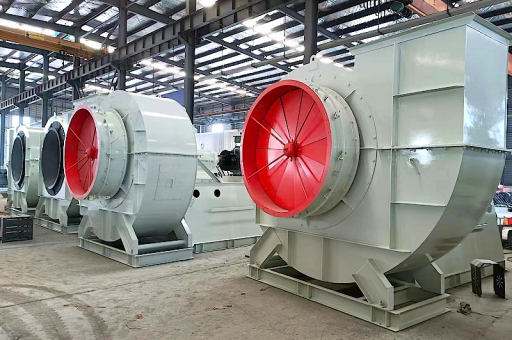
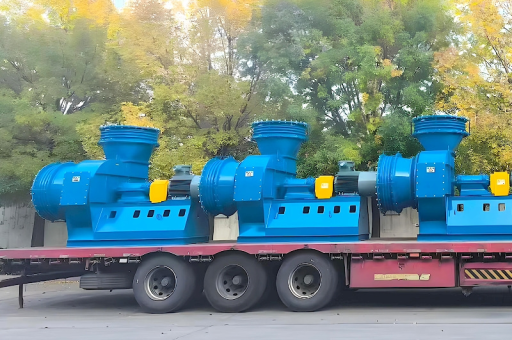
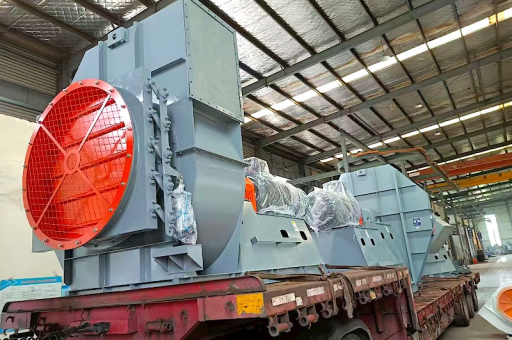
The 4-72-18D Centrifugal Fan is a staple in heavy-duty industrial ventilation and air movement systems. Recognized for its robust construction and high-efficiency backward-curved blades, this fan is engineered to handle large volumes of air against moderate to high static pressures. In the world of HVAC (Heating, Ventilation, and Air Conditioning) and industrial exhaust, the "4-72" series is synonymous with reliability. The "D" drive configuration specifically indicates a direct-drive setup, which eliminates belt slippage and reduces maintenance requirements. For facility managers and engineers seeking a durable solution for dust extraction, fume removal, or general ventilation, the 4-72-18D remains a top-tier choice due to its aerodynamic stability and long service life.
Decoding the Model Number: What Does 4-72-18D Mean?
Understanding the nomenclature of this fan is critical for proper specification. Let’s break down the alphanumeric code:
- 4: This typically refers to the type of blade design or the specific design series within the manufacturer’s catalog. For the 4-72 series, it signifies a high-efficiency, backward-inclined blade profile.
- 72: This is the diameter of the impeller in centimeters (cm). Therefore, the 4-72-18D has an impeller diameter of 72 cm (approx. 28.3 inches). This large diameter allows the fan to move a significant cubic feet per minute (CFM) of air.
- 18D: This indicates the bearing frame size and the drive configuration. The "18" refers to the specific bearing bracket or housing size, which supports the shaft and rotor. The "D" stands for Direct Drive. Unlike belt-driven fans (which use an "A" or "B" designation), the "D" model couples the fan impeller directly to the motor shaft. This eliminates energy loss from belt friction and ensures a constant RPM (Revolutions Per Minute).
Key Design Features and Performance Characteristics
The 4-72-18D is engineered for high performance. Its core advantages stem from the following design elements:
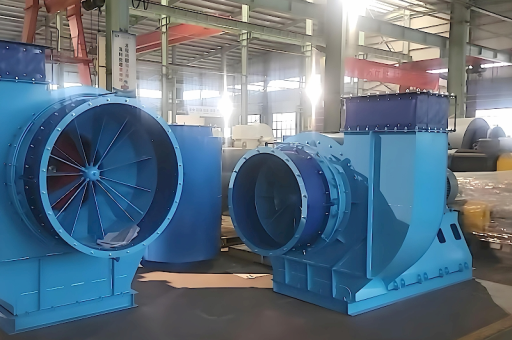
- Backward-Inclined Blades: These blades curve away from the direction of rotation. This design reduces the risk of material buildup on the blades, making it ideal for moving slightly dusty or fibrous air. It also provides a high static pressure capability while maintaining quiet operation compared to forward-curved fans.
- Housing Construction: Typically constructed from heavy-gauge carbon steel (or stainless steel for corrosive environments), the housing is designed to withstand mechanical stress. The volute shape efficiently converts velocity pressure into static pressure.
- Direct Drive Efficiency: Because the impeller is mounted directly on the motor shaft, the rotational speed is fixed. This provides precise airflow control and is highly efficient (often exceeding 85% aerodynamic efficiency in optimal conditions). No pulleys or belts means lower initial cost and zero belt replacement costs.
- Flow and Pressure: A typical 4-72-18D fan operating at 1450 RPM can handle an airflow range of approximately 15,000 to 35,000 m³/h (8,800 to 20,600 CFM) with a static pressure range of 1,000 to 2,500 Pa (4 to 10 inches w.g.).
Typical Industrial Applications
Due to its robust nature, the 4-72-18D Centrifugal Fan is deployed in various demanding environments:
- Factory Ventilation: Used to exhaust heat, fumes, and stale air from manufacturing floors.
- Dust Removal Systems: In woodworking or cement plants, it moves dusty air through filtration systems.
- Boiler Systems: Often used for forced draft (FD) or induced draft (ID) applications.
- Agricultural Drying: For moving large volumes of air through grain dryers or hay barns.
- Air Conditioning Systems: As part of large air handling units (AHUs) where high pressure is required to push air through long duct runs.
Maintenance, Installation, and Troubleshooting
Proper care extends the lifespan of your fan. Here are actionable steps for operators:
Installation Guidelines:
- Foundation: The fan must be mounted on a rigid, level concrete foundation to prevent vibration.
- Inlet/Outlet Ducts: Ensure smooth duct transitions. Avoid sharp turns immediately at the inlet, as this can cause turbulence and reduce efficiency.
- Vibration Isolation: Use vibration isolators between the fan base and the foundation to prevent transmitting vibrations to the building structure.
Routine Maintenance:
- Bearing Lubrication: The 4-72-18D uses heavy-duty grease-lubricated bearings. Regrease every 3 months or as per manufacturer recommendations.
- Impeller Inspection: Check for dust buildup or blade erosion. Even a thin layer of dust can unbalance the wheel, leading to bearing failure.
- Check Shaft Alignment: Although it is a direct drive, verify that the motor and impeller shaft are perfectly aligned. Misalignment causes premature wear.
Common Issue: Vibration
- Symptom: Excessive shaking.
- Cause: Dust accumulation on blades or worn bearings.
- Solution: Clean the impeller with a brush or compressed air; replace bearings if radial play is detected.
Frequently Asked Questions (FAQ)
Q1: Can I use the 4-72-18D fan for explosive environments? A1: The standard model is not ATEX-certified. However, explosion-proof versions exist with spark-resistant aluminum impellers and non-ferrous housing liners. Always check the EX certification for flammable environments.
Q2: What is the maximum operating temperature for this fan? A2: The standard carbon steel version is typically rated for up to 80°C (176°F). For high-temperature applications (up to 300°C), a stainless steel version with cooling fins on the bearing bracket is required.
Q3: How do I control the airflow on a direct-drive fan? A3: Since the speed is fixed, airflow control is achieved via a Variable Frequency Drive (VFD) or a damper on the inlet or outlet. A VFD is more energy-efficient as it reduces motor speed without throttling flow.
Q4: Is the rotation direction clockwise or counterclockwise? A4: The 4-72-18D can be ordered as CW (Clockwise) or CCW (Counterclockwise), viewed from the drive side. The discharge angle (top horizontal, bottom horizontal, etc.) must also be specified based on duct layout.
Conclusion
The 4-72-18D Centrifugal Fan represents a perfect balance of high efficiency, robust construction, and low maintenance. Its backward-inclined blade design makes it a versatile choice for clean air handling and light dust applications. While the initial investment might be higher than some belt-driven alternatives, the long-term savings in energy bills and replacement parts (no belts to change) make it an economically sound decision for industrial operators. Whether you are designing a new HVAC system or upgrading an existing exhaust line, this fan delivers the reliable performance required for critical airflow demands. For detailed specifications, always consult the manufacturer's data sheet or contact a specialized fan supplier.
Note: For specific part availability or custom variations (e.g., motor brand, specific rpm), please visit the official product page on the manufacturer’s website.