This article's table of contents introduction:
- What Does "132 kW High-Temperature Flue Gas Cooling Fan" Mean?
- Typical Applications
- Key Technical Specifications (Typical)
- Installation & Design Considerations
- Common Problems & Solutions
- Next Steps (If You Are Selecting or Troubleshooting)
- Example Code or Standard Reference
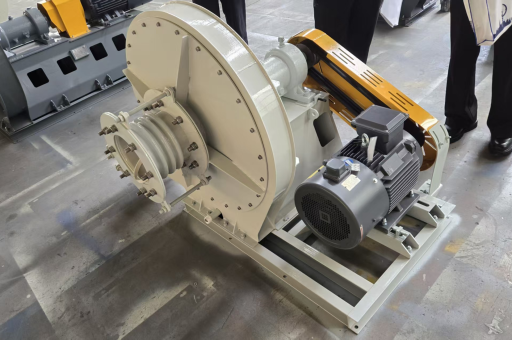
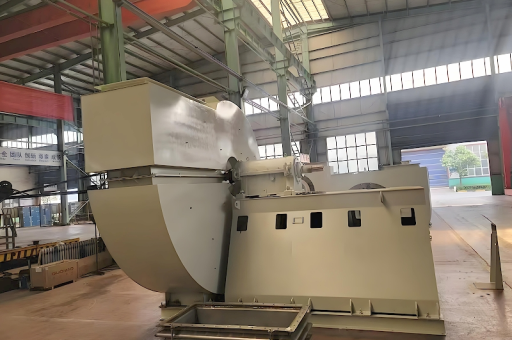
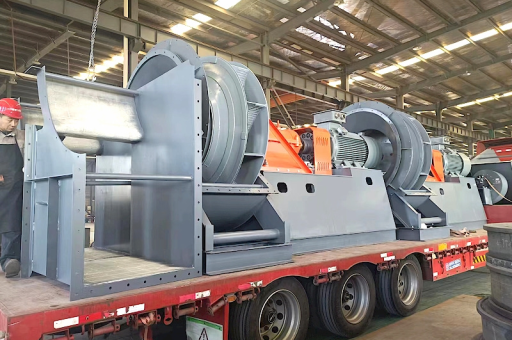
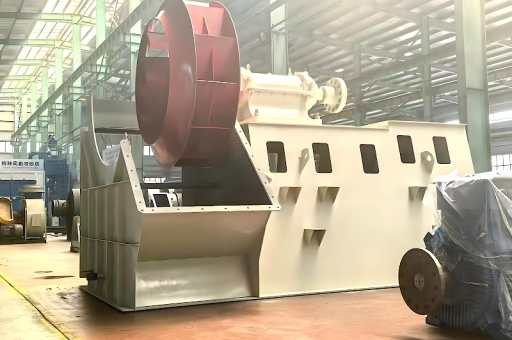
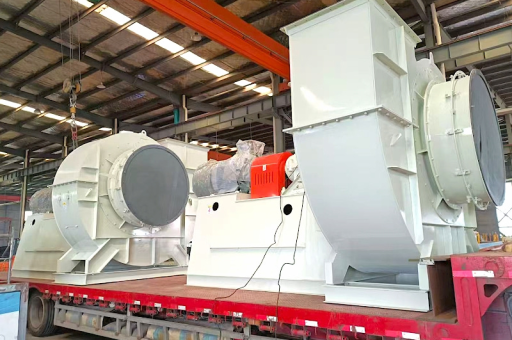
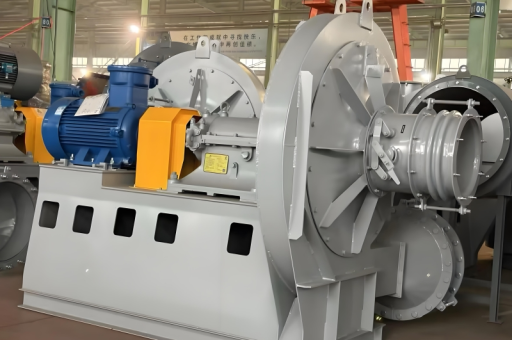
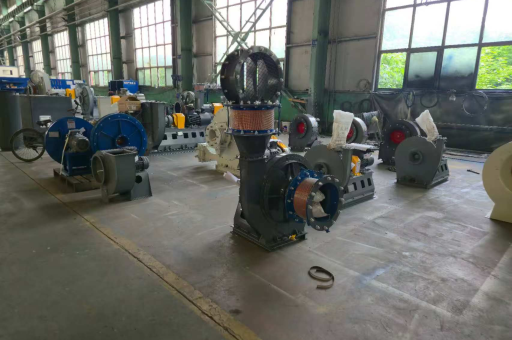
It sounds like you’re dealing with a 132 kW high-temperature flue gas cooling fan, which is a critical component in industrial processes such as power generation, cement production, steelmaking, or chemical processing.
Below is a comprehensive breakdown of what this specification implies, typical applications, technical considerations, and potential issues.
What Does "132 kW High-Temperature Flue Gas Cooling Fan" Mean?
- 132 kW (Power): This is the motor power rating. It indicates the fan is designed for high-volume or high-pressure applications requiring significant energy.
- High-Temperature: The fan is designed to handle flue gases above standard operating temperatures (e.g., 200°C to 600°C+). This requires specialized materials, cooling systems, and bearing arrangements.
- Flue Gas: The medium being moved is typically corrosive, abrasive, and contains particulates (ash, SOx, NOx).
- Cooling Fan: It is likely part of a flue gas cooling system (e.g., quench tower, gas-to-gas heat exchanger, or dilution cooling) to reduce gas temperature before further treatment (e.g., baghouse, scrubber, or stack).
Typical Applications
| Industry | Specific Purpose |
|---|---|
| Cement | Cooling exhaust from preheater or clinker cooler. |
| Steel | Cooling off-gas from electric arc furnace (EAF) or converter. |
| Power | Forced draft or induced draft in waste heat recovery systems. |
| Waste-to-Energy | Cooling combustion gases before filtration. |
| Chemical | Handling hot corrosive off-gases from reactors. |
Key Technical Specifications (Typical)
- Flow Rate: Depends on pressure, but 132 kW could move ~50,000 – 150,000 m³/h at moderate pressure (2–5 kPa).
- Static Pressure: Likely 2–10 kPa (8–40 in w.g.).
- Temperature: Design temperature often 300°C – 450°C. For higher (e.g., 600°C+), special alloys or water-cooled shaft are required.
- Construction:
- Impeller: High-strength steel (e.g., Corten, 16Mo3, or stainless 310S) for thermal and corrosion resistance.
- Housing: Heavy-duty carbon steel with insulation and expansion joints.
- Bearings: Cooled via water jacket or oil lubrication system.
- Shaft Seal: Carbon ring or labyrinth seal to prevent hot gas leakage.
Installation & Design Considerations
- Cooling Strategy:
- Fan itself: Often has a cooling shroud or airfoil to reduce heat transfer to bearings.
- Motor: Protected via a heat shield, forced ventilation, or located remotely with a belt drive.
- Vibration Monitoring: Mandatory due to high speed (likely 1450–2950 RPM) and potential imbalance from dust buildup.
- Variable Speed Drive (VFD): 132 kW is a prime candidate for VFD to regulate flow and reduce energy consumption.
- Ductwork: Must be designed with thermal expansion loops and corrosion-resistant materials.
Common Problems & Solutions
| Problem | Cause | Solution |
|---|---|---|
| Bearing failure | Heat conduction from hot shaft | Upgrade to water-cooled bearings or install an intermediate thermal break. |
| Impeller erosion | Fly ash / particulate abrasion | Use wear-resistant liners or hardfacing (e.g., Stellite). |
| Vibration | Dust buildup on blades (imbalance) | Schedule periodic cleaning; use automated washing system. |
| Motor overheating | Radiant heat from ductwork | Add insulation / reflective barriers; increase motor ventilation. |
| Corrosion | Acid condensation at dew point | Keep gas temperature above acid dew point (≥150°C) or use stainless steel. |
Next Steps (If You Are Selecting or Troubleshooting)
- Confirm the exact operating temperature (continuous vs. peak).
- Check gas composition (Is it dry? Contains SO₂, HCl, or high dust?).
- Decide fan type:
- Centrifugal (Radial): Best for high temperature and dust.
- Backward Curve: More efficient but less dust-tolerant.
- Specify protection:
- For motor: IP55+ or forced cooling.
- For bearings: Temperature sensor (PT100) and automatic grease/lube.
Example Code or Standard Reference
If you need to comply with ISO 5801 (fan performance) or DIN 24163, ensure the fan is tested at the actual operating temperature (air density correction is critical: hot air is less dense, so the motor achieves less mass flow than cold-rated curves suggest).
Would you like information on:
- How to calculate the actual flow from a 132 kW fan at 350°C?
- Recommendations for a specific bearing arrangement (water-cooled vs. oil mist)?
- A supplier or OEM for 132 kW high-temp fans (Europe, China, or USA)?