This article's table of contents introduction:
- Table of Contents
- ">Introduction to the 9-19-19D High-Pressure Centrifugal Fan
- ">Key Design Features and Engineering Specifications
- ">Performance Metrics and Operational Efficiency
- ">Common Industrial Applications
- ">Installation, Maintenance, and Troubleshooting
- ">Frequently Asked Questions (FAQ)
- ">Conclusion and Future Outlook
The Ultimate Guide to the 9-19-14D High-Pressure Centrifugal Fan: Design, Performance, and Industrial Applications**
Table of Contents
- Introduction to the 9-19-14D High-Pressure Centrifugal Fan
- Key Design Features and Engineering Specifications
- Performance Metrics and Operational Efficiency
- Common Industrial Applications
- Installation, Maintenance, and Troubleshooting
- Frequently Asked Questions (FAQ)
- Conclusion and Future Outlook
Introduction to the 9-19-19D High-Pressure Centrifugal Fan
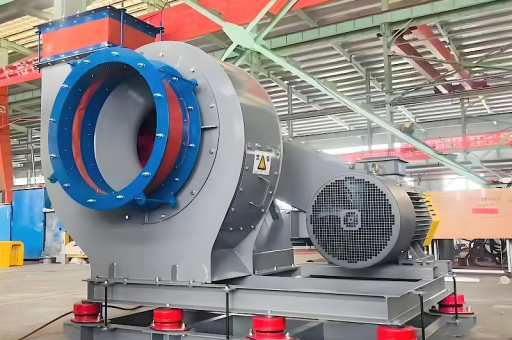
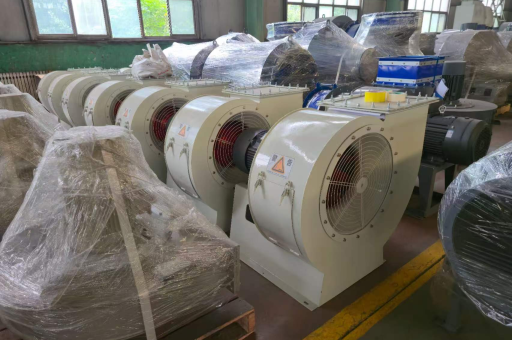
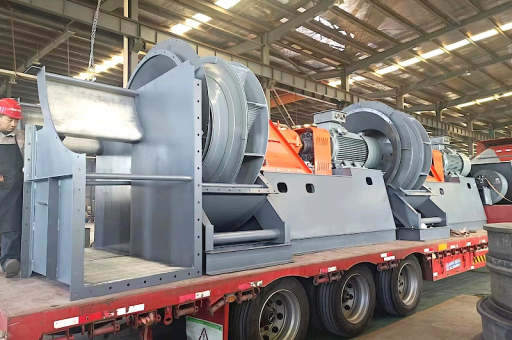
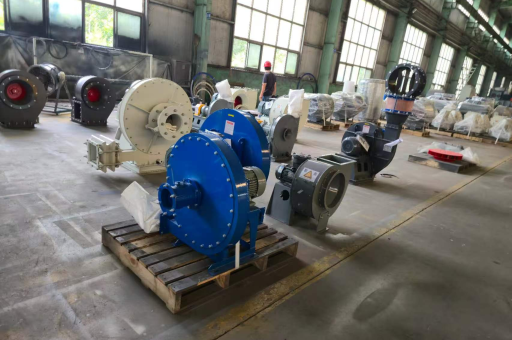
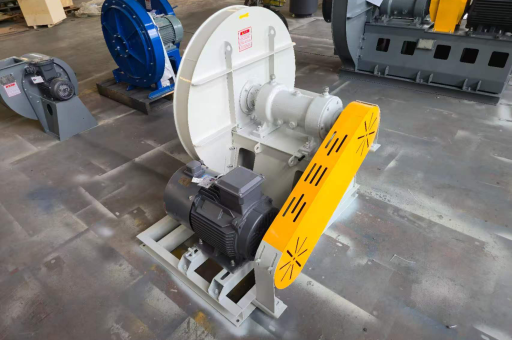
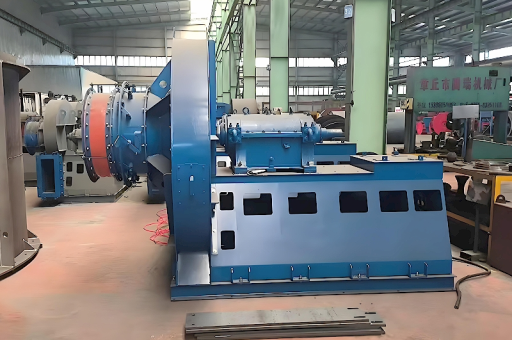
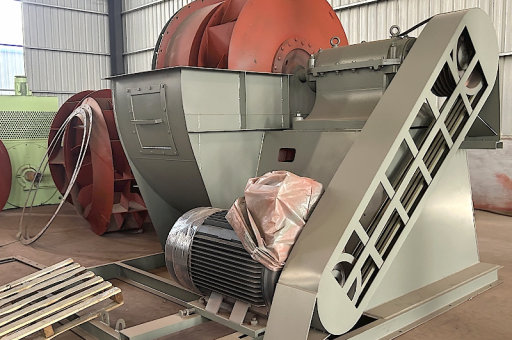
The 9-19-14D high-pressure centrifugal fan is a specialized industrial fan designed for demanding environments requiring significant air pressure and stable airflow. Belonging to the 9-19 series of centrifugal fans, this model stands out due to its robust construction, optimized blade geometry, and ability to generate pressures exceeding standard medium-pressure fans. It is widely used in pneumatic conveying, dust extraction, combustion air supply, and other heavy-duty applications.
What sets the 9-19-14D apart is its backward-curved blade design combined with a volute casing that minimizes turbulence and energy loss. The "14D" designation typically refers to the impeller diameter (in decimeters) and the drive arrangement (direct-coupled in many configurations). This fan is engineered to operate continuously under high static pressure conditions, making it an ideal choice for industries such as cement, steel, power generation, and chemical processing.
Key Design Features and Engineering Specifications
1 Impeller and Blade Geometry
The 9-19-14D impeller is constructed from high-strength steel or alloy plates, with blades shaped to maximize centrifugal force conversion. The backward-curved blades reduce energy loss at the blade tip and allow a wider operating range without surging. The number of blades (typically 12 to 16) is optimized to balance pressure generation with noise reduction.
2 Housing and Volute Casing
The volute casing is designed to convert velocity energy into pressure energy efficiently. The discharge outlet is positioned tangentially, and the internal clearance between the impeller and the casing is precisely maintained to prevent recirculation losses.
3 Drive and Motor Options
The "D" in 14D indicates a direct-drive configuration, meaning the impeller is mounted directly on the motor shaft. This eliminates belt losses and reduces maintenance but requires the motor speed to match the required fan RPM. Typically, the 9-19-14D uses a 2-pole or 4-pole induction motor at 2900 or 1450 RPM (50 Hz). For higher pressures, a 2-pole motor is standard.
Technical Data Snapshot (Typical):
- Airflow range: 2,500 – 15,000 m³/h
- Static pressure: 2,000 – 6,000 Pa
- Motor power: 5.5 kW – 30 kW
- Maximum temperature: 80°C (standard) / up to 250°C (high-temperature variant)
- Material: Q235 steel or stainless steel with anti-corrosion coating
Performance Metrics and Operational Efficiency
1 Pressure-Flow Characteristics
The 9-19-14D exhibits a steep pressure curve, meaning it maintains high static pressure even when duct resistance increases. This is critical for systems with long duct runs or dense material transport. The efficiency is typically between 70% and 82% at the best efficiency point (BEP), which is competitive for high-pressure centrifugal fans.
2 Noise and Vibration Levels
Due to its high rotational speed, the 9-19-14D generates noise levels around 85–95 dB(A) at 1 meter. Proper installation with vibration isolators and acoustic enclosures is recommended for operator comfort.
3 Comparison with Other Series
- Standard 9-19 series: Medium-high pressure, versatile for general ventilation.
- 9-26 series: Higher pressure but narrower airflow range.
- 4-72 series: Lower pressure but higher airflow (not suitable for high-pressure applications).
The 9-19-14D occupies the sweet spot for applications that need both moderate airflow and elevated pressure.
Common Industrial Applications
1 Pneumatic Conveying Systems
In cement plants and grain terminals, the 9-19-14D is used to push or pull materials through closed pipelines. The high static pressure ensures that fine particles remain suspended even in long horizontal runs.
2 Dust Collection and Pollution Control
Baghouses and cyclones require consistent negative or positive pressure. This fan is frequently paired with bag filters in woodworking, foundries, and mining operations.
3 Combustion Air Supply
Boilers and industrial furnaces need a steady supply of high-pressure air for efficient burning. The 9-19-14D can deliver air directly to burner nozzles, improving combustion efficiency and reducing soot formation.
4 Forced Draft and Induced Draft Systems
In power plants and incinerators, the fan is used for forced draft (pushing air into the combustion chamber) or induced draft (pulling flue gases out). Its durability under high temperature and corrosive gases makes it a reliable choice.
Installation, Maintenance, and Troubleshooting
1 Installation Best Practices
- Foundation: Use a rigid base to minimize vibration.
- Duct connections: Use flexible connectors to isolate vibration and misalignment.
- Inlet box: Ensure a straight duct section of at least 3x diameter before the inlet to prevent swirl and performance drop.
- Electrical wiring: Confirm motor rotation direction before full load operation.
2 Routine Maintenance Schedule
- Weekly: Check bearing temperature (max 80°C) and listen for abnormal noise.
- Monthly: Inspect V-belt tension (if applicable); clean impeller if handling dusty air.
- Quarterly: Lubricate bearings with high-temperature grease. Check balance of impeller.
- Annually: Complete overhaul: replace bearings, check casing for wear, and recalibrate if necessary.
3 Common Issues and Solutions
| Problem | Possible Cause | Solution |
|---|---|---|
| Excessive vibration | Unbalanced impeller or loose foundation | Rebalance impeller; tighten bolts |
| Low pressure | Clogged duct or incorrect rotation | Clean system; check motor phase |
| Motor overheating | Overloaded fan or poor ventilation | Reduce damper opening; ensure motor cooling |
| Excessive noise | Worn bearings or loose vanes | Replace bearings; inspect impeller |
Frequently Asked Questions (FAQ)
Q1: What is the difference between 9-19 and 9-26 series fans?
A: The 9-19 series is designed for lower airflow but higher static pressure, while the 9-26 series provides even higher pressure at the cost of lower flow. The 9-19-14D is a specific size within the 9-19 family optimized for medium-high airflow needs.
Q2: Can the 9-19-14D handle abrasive particles?
A: Yes, but with limitations. Standard models use steel impellers; for abrasive materials (e.g., sand, metal shavings), a wear-resistant lining or a hardened impeller coating is recommended. Regular inspection for blade erosion is essential.
Q3: How do I select the correct motor power for my 9-19-14D fan?
A: Motor power depends on the required pressure and airflow. As a rule of thumb, use:
Power (kW) = (Airflow in m³/h × Static Pressure in Pa) / (3,600 × Fan Efficiency × Drive Efficiency)
For most installations, a 15 kW motor covers typical requirements, but always consult the fan curve.
Q4: Is the 9-19-14D suitable for outdoor installation?
A: Yes, if the fan is provided with a weatherproof enclosure and the motor has a suitable IP rating (IP55 or higher). For corrosive coastal areas, specify stainless steel casing and sealing.
Q5: What is the expected lifespan of this fan under continuous operation?
A: With proper maintenance, a 9-19-14D fan can operate for 10–15 years in clean air conditions. In dusty or corrosive environments, the lifespan may reduce to 5–8 years before major component replacement is required.
Conclusion and Future Outlook
The 9-19-14D high-pressure centrifugal fan remains an indispensable workhorse in many heavy industries. Its reliable design, high static pressure capability, and moderate airflow make it a top choice for pneumatic conveying, dust extraction, and combustion support. While newer innovations such as backward-curved airfoil blades offer higher efficiency, the 9-19-14D provides a cost-effective balance of durability, performance, and maintainability.
When selecting this fan, always confirm the operating point with the manufacturer’s fan curve and consider the environmental factors—temperature, dust loading, and vibration. By investing in proper installation and adhering to a preventive maintenance schedule, users can ensure decades of reliable service.
For those looking to optimize their system, pairing the fan with a variable frequency drive (VFD) can yield substantial energy savings when the demand varies. In many plants, the 9-19-14D remains the backbone of the ventilation system—quietly delivering the pressure needed to keep production moving.