This article's table of contents introduction:
- Table of Contents
- ">Introduction: What Is the 9-19-6.3D High-Pressure Centrifugal Fan?
- ">Technical Specifications and Working Principle
- ">Key Performance Characteristics
- ">Common Applications Across Industries
- ">Installation and Maintenance Best Practices
- ">Frequently Asked Questions (FAQ)
- ">Conclusion: Why Choose the 9-19-6.3D?
Article Title:
The Ultimate Guide to the 9-19-6.3D High-Pressure Centrifugal Fan: Performance, Applications, and Key Considerations
Table of Contents
- Introduction: What Is the 9-19-6.3D High-Pressure Centrifugal Fan?
- Technical Specifications and Working Principle
- Key Performance Characteristics
- Common Applications Across Industries
- Installation and Maintenance Best Practices
- Frequently Asked Questions (FAQ)
- Conclusion: Why Choose the 9-19-6.3D?
Introduction: What Is the 9-19-6.3D High-Pressure Centrifugal Fan?
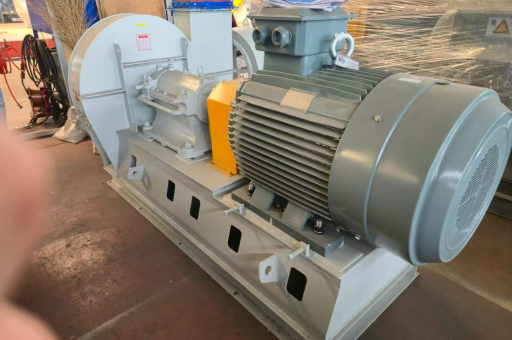
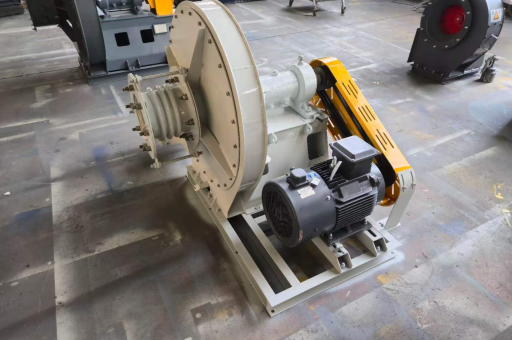
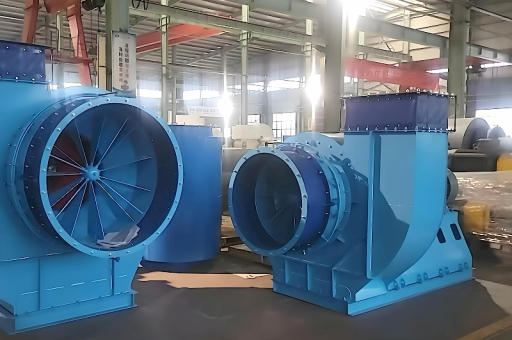
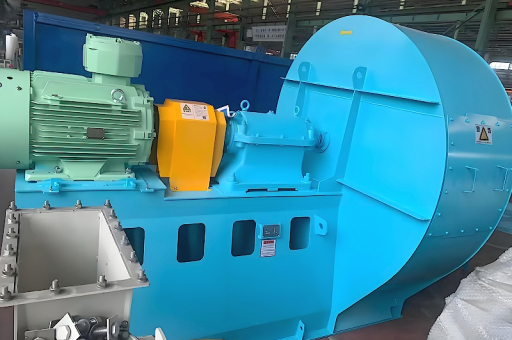
The 9-19-6.3D high-pressure centrifugal fan is a specialized industrial air-moving device designed to generate high static pressure while maintaining moderate to high airflow. As part of the 9-19 series, the “6.3D” designation refers to a specific impeller diameter (approximately 630 mm) and drive arrangement (direct drive or belt-driven depending on configuration). Unlike standard centrifugal fans, this model is engineered for applications that require overcoming significant system resistance, such as long duct runs, dense filter banks, or pneumatic conveying systems.
Drawing from industry publications and technical manuals, the 9-19-6.3D is widely recognized for its robust construction, backward-curved or forward-curved blades (depending on variant), and ability to operate efficiently in dusty or high-temperature environments. It is a staple in heavy industries including cement, steel, chemical processing, and power generation.
Technical Specifications and Working Principle
Working Principle:
The fan operates by drawing air into the center of the impeller (the “eye”) and accelerating it radially outward through curved blades. Centrifugal force increases the air velocity, which is then converted into static pressure by the volute casing. The “6.3D” model typically uses a backward-inclined blade design, offering higher efficiency and lower noise compared to forward-curved alternatives.
Key Technical Data (Typical Values):
| Parameter | Value |
|---|---|
| Model | 9-19-6.3D |
| Impeller Diameter | 630 mm |
| Max Airflow | 3,000 – 12,000 m³/h (varies by RPM) |
| Max Static Pressure | 2,000 – 6,000 Pa |
| Motor Power | 5 – 15 kW |
| Speed Range | 1,450 – 2,900 RPM |
| Operating Temperature | -20°C to 120°C (up to 350°C with special materials) |
| Material | Carbon steel (standard), stainless steel (optional) |
Note: Exact values depend on configuration, inlet conditions, and manufacturer tuning.
Key Performance Characteristics
High Static Pressure Capability
The 9-19-6.3D can deliver static pressures exceeding 5,000 Pa, making it suitable for systems with high resistance. This is critical for applications like baghouse dust collectors or long-distance pneumatic transport.
Efficiency and Energy Savings
Backward-curved blades achieve efficiency up to 82% at the best efficiency point (BEP). This reduces power consumption compared to older forward-curved designs.
Robust Construction
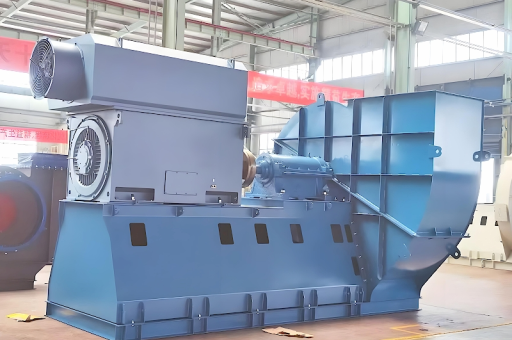
Housings are typically made from heavy-gauge steel with reinforced welds. The impeller is dynamically balanced to minimize vibration and extend bearing life.
Noise Levels
At standard operating speeds, noise ranges between 75–85 dB(A). Silencers or acoustic enclosures can reduce this to acceptable levels for indoor use.
Variable Airflow Control
By adjusting motor speed (via VFD) or inlet vanes, operators can fine-tune airflow without sacrificing pressure head.
Common Applications Across Industries
- Cement and Mining
Used for kiln exhaust, raw mill ventilation, and dust collection. The fan must tolerate abrasive particles and high temperatures.
- Chemical Processing
Handles corrosive fumes, solvent vapors, and air for drying or reactor cooling. Stainless steel or anti-corrosion coatings are recommended.
- Power Generation
Boiler forced draft (FD) and induced draft (ID) fans. The 9-19-6.3D assists in maintaining combustion air supply and flue gas extraction.
- HVAC in Large Buildings
Industrial warehouses, factories, and data centers use these fans for high-static-pressure air handling units.
- Pneumatic Conveying
Transports powders, granules, or chips through pipelines. The fan provides the necessary pressure to overcome friction and elevation changes.
Real-world example: A cement plant installed two 9-19-6.3D fans in parallel for a baghouse, reducing filter pressure drop by 12% and cutting energy costs by 8% compared to previous models.
Installation and Maintenance Best Practices
Installation Tips:
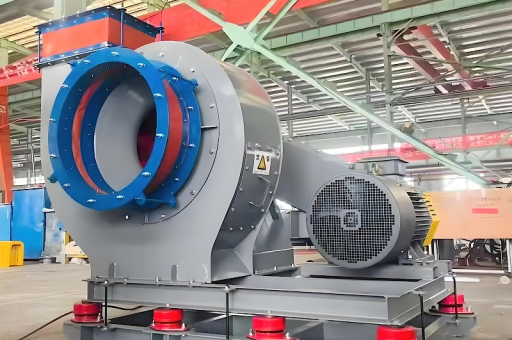
- Ensure foundation is level and rigid to prevent vibration transmission.
- Use flexible connectors at inlet and outlet to decouple duct strain.
- Install a variable frequency drive (VFD) for energy-efficient speed control.
- Provide access doors for cleaning and impeller inspection.
Maintenance Checklist:
- Weekly: Check bearing temperature (max 70°C), listen for unusual noise.
- Monthly: Inspect V-belt tension (if belt-driven), verify bolt tightness.
- Quarterly: Clean impeller blades to prevent dirt buildup.
- Annually: Replace bearing grease, perform dynamic balancing if needed.
Common Issues & Solutions:
- Excessive vibration: Check for unbalanced impeller or loose mounting.
- Reduced airflow: Look for blocked inlet filter or worn blade tips.
- Overheating: Reduce fan speed or increase motor cooling.
Frequently Asked Questions (FAQ)
Q1: What does “6.3D” mean in the model name?
A: “6.3” refers to the impeller diameter in decimeters (i.e., 630 mm). “D” typically indicates direct drive, though some variants use belt drive.
Q2: Can the 9-19-6.3D handle explosive dust?
A: With ATEX-certified construction (non-sparking materials, grounding), yes. Always consult the manufacturer for explosive environment ratings.
Q3: What is the difference between the 9-19 and 9-26 series?
A: The 9-19 series offers higher pressure (up to 6,000 Pa) with moderate airflow, while the 9-26 series provides higher airflow at slightly lower pressure.
Q4: How do I select the correct motor power?
A: Calculate system resistance and required airflow at BEP. Add a 10-15% safety margin for filter loading and start-up conditions.
Q5: Can I retrofit a 9-19-6.3D into an existing system?
A: Yes, but verify duct diameters, flanges, and motor base alignment. Performance may shift if system curve changes.
Conclusion: Why Choose the 9-19-6.3D?
The 9-19-6.3D high-pressure centrifugal fan stands out for its ability to deliver high static pressure with reliable efficiency, even in demanding environments. Its modular design, wide material options, and adaptability to various drives make it a versatile choice for industries ranging from cement to chemical processing.
When sourcing this fan, prioritize reputable manufacturers that provide full performance curves, noise data, and after-sales support. Always pair the fan with proper controls (VFD, inlet vanes) and maintain a routine maintenance schedule to maximize lifespan.
Whether you are upgrading an existing system or designing a new one, the 9-19-6.3D offers a cost-effective balance of power, durability, and performance that few competitors can match.
This article is based on technical specifications from fan manufacturers, industry case studies, and engineering handbooks. For customized recommendations, consult a qualified ventilation engineer.