This article's table of contents introduction:
- Table of Contents
- Introduction: What is a 10KV High-Voltage Fan?
- Key Technical Specifications
- Main Application Areas
- Safety Standards and Installation Requirements
- Energy Efficiency and Performance Optimization
- Common Q&A
- Conclusion
Article Title:
The Essential Guide to 10KV High-Voltage Fans: Applications, Safety, and Efficiency
Table of Contents
- Introduction: What is a 10KV High-Voltage Fan?
- Key Technical Specifications
- Main Application Areas
- Safety Standards and Installation Requirements
- Energy Efficiency and Performance Optimization
- Common Q&A
- Conclusion
Introduction: What is a 10KV High-Voltage Fan?
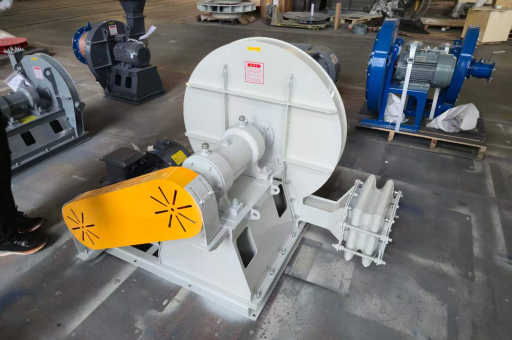
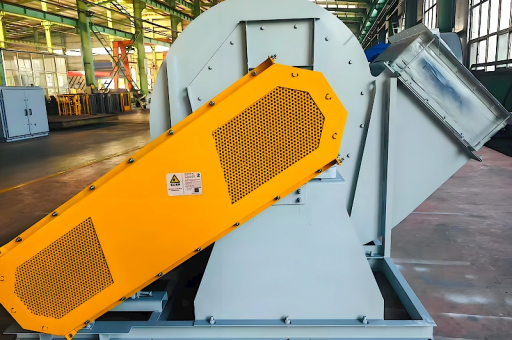
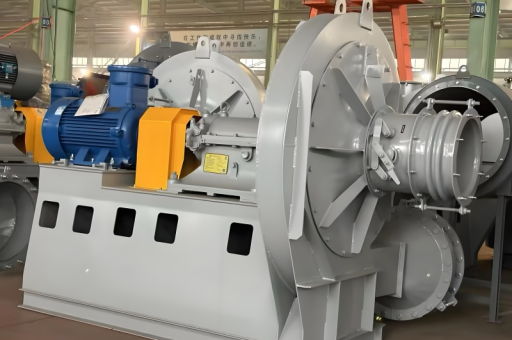
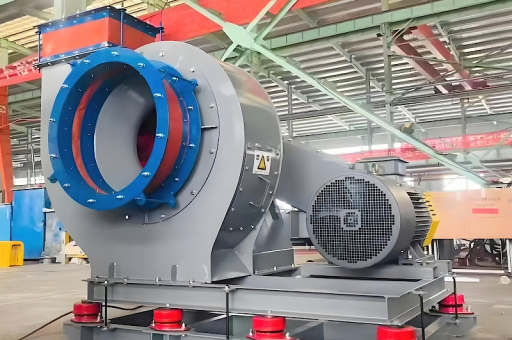
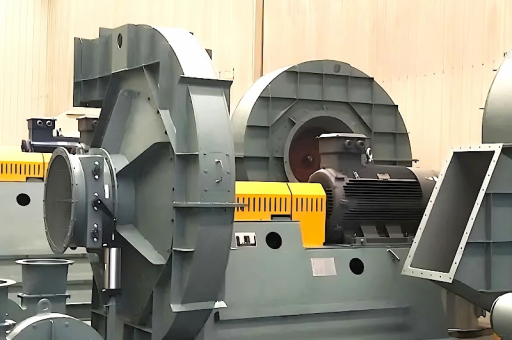
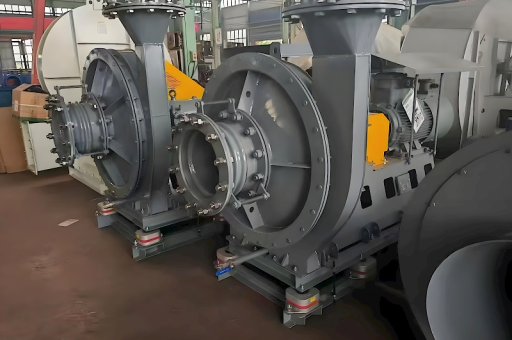
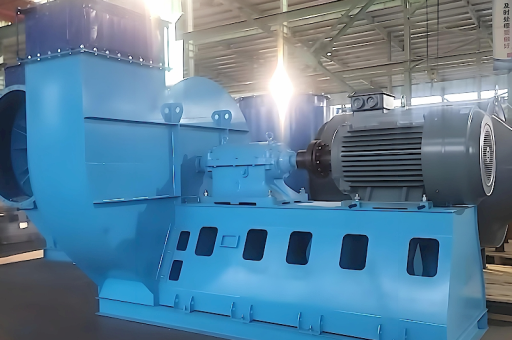
A 10KV high-voltage fan is an industrial ventilation device designed to operate at a rated voltage of 10 kilovolts (10,000 volts). Unlike standard low-voltage fans (e.g., 380V or 660V), these fans are engineered for heavy-duty environments such as power plants, mining tunnels, chemical facilities, and large-scale manufacturing units. Their primary function is to provide reliable, forced-air circulation or exhaust in settings where conventional fans cannot withstand high electrical loads or extreme ambient conditions.
The 10KV rating indicates that the fan motor is insulated and constructed to handle high potential differences, reducing current flow and allowing for longer cable runs with lower power losses. This makes them ideal for remote or hazardous locations.
Why 10KV?
High-voltage motors (3KV to 11KV) are common in industries because they reduce the current for a given power output, minimizing heat generation and enabling the use of smaller-diameter cables. This translates to lower installation costs and improved system efficiency over long distances.
Key Technical Specifications
Understanding the core parameters of a 10KV high-voltage fan is critical for selection and maintenance.
| Parameter | Typical Range | Notes |
|---|---|---|
| Rated Voltage | 10,000V (10KV) | Can vary between 6KV and 11KV depending on region. |
| Power Output | 200kW – 2,000kW+ | Customizable based on blade design and airflow needs. |
| Airflow | 50,000 – 500,000 m³/h | Measured at full speed, static pressure considered. |
| Speed | 500 – 1,500 RPM | Often driven by variable frequency drives (VFDs). |
| Insulation Class | Class H (up to 180°C) | For high-temperature environments. |
| Protection Level | IP55 / IP65 | Dust-tight and water-jet resistant. |
Material Construction:
Blades are typically made of cast aluminum or stainless steel for corrosion resistance. The motor housing is heavy-duty cast iron with reinforced bearings to withstand long-term vibration.
Main Application Areas
1 Power Generation Plants
In thermal, nuclear, and hydroelectric plants, 10KV fans are used for cooling towers, boiler draught systems, and turbine hall ventilation. They provide critical airflow to prevent overheating of electrical equipment and condensers.
2 Underground Mining and Tunneling
Mine shafts require explosion-proof ventilation. 10KV high-voltage fans deliver fresh air to workers and dilute explosive gases like methane. These fans often have spark-proof construction and are tested for ATEX or IECEx certification.
3 Chemical and Petrochemical Industries
In refineries and chemical plants, corrosive gases and volatile organic compounds (VOCs) demand fans with chemical-resistant coatings and sealed motors. The 10KV voltage reduces the risk of sparking in volatile zones.
4 Large Data Centers and HVAC
While less common, some hyperscale data centers use high-voltage fans for central cooling systems to minimize cable losses over long distances between transformers and fan banks.
Safety Standards and Installation Requirements
Because 10KV high-voltage fans operate at potentially lethal voltages, strict safety protocols must be followed:
- Isolation and Lockout/Tagout (LOTO): Always isolate the supply before maintenance.
- Cable Sizing: Use cables rated for 10KV with proper insulation and shielding. Incorrect sizing can lead to partial discharge and insulation failure.
- Grounding: The fan chassis and motor must be solidly grounded to avoid step-and-touch potentials.
- Arc Flash Protection: Install arc-flash detection relays in switchgear feeding the fan.
- Vibration Monitoring: Continuous monitoring of bearing vibration is recommended to predict mechanical failure.
Installation Checklist:
- Verify voltage rating matches local supply.
- Use surge arrestors on incoming cables.
- Apply thermal sensors on motor windings (RTDs).
- Confirm that the fan’s IP rating matches the dust/moisture level of the site.
Energy Efficiency and Performance Optimization
A 10KV fan motor is inherently more efficient at high loads, but optimization still matters.
- Variable Frequency Drives (VFDs): Installing a VFD allows the fan speed to match actual demand, often saving 30–50% energy compared to constant-speed operation.
- Blade Pitch Adjustment: Some axial fans feature adjustable blades to fine-tune airflow without changing motor speed.
- Duct Design: Minimize elbows and constrictions to reduce static pressure drop; this lowers fan power consumption.
- Lubrication Schedule: Proper grease intervals for bearings directly affect friction losses.
Real-World Example:
A coal-fired power plant in China replaced three 380V fans with one 10KV high-voltage fan using a VFD. The result was a 25% reduction in total energy consumption and a 15% decrease in maintenance downtime over two years.
Common Q&A
Q1: Can I operate a 10KV high-voltage fan at a lower voltage, like 6KV?
A: No. Operating a motor below its rated voltage significantly increases current draw, leading to overheating and potential burn-out. Always match the fan motor voltage to the supply.
Q2: How often should I lubricate the motor bearings?
A: Typically every 6 months or 4,000 operating hours, depending on load and ambient temperature. Use high-temperature grease specified by the manufacturer.
Q3: What’s the lifespan of a typical 10KV fan?
A: With proper maintenance (vibration monitoring, regular cleaning, bearing replacement), these fans can last 20–30 years. Motor winding insulation may degrade sooner in high-humidity environments.
Q4: Does a 10KV fan require special cable connectors?
A: Yes. Use cold-shrink or heat-shrink terminations designed for 10KV. Ordinary tape-wrapped joints are dangerous due to partial discharge risk.
Q5: Are 10KV fans suitable for explosion-proof areas?
A: Only if they are certified with an explosion-proof enclosure (e.g., Ex d IIB T4). Standard 10KV fans are not intrinsically safe.
Conclusion
The 10KV high-voltage fan is a powerful, specialized tool for industrial ventilation in demanding environments. Its high-voltage design reduces current, lowers line losses, and enables long-distance power transmission, making it indispensable in power plants, mines, and chemical facilities. However, due to its lethal voltage level, thorough adherence to safety standards and regular preventive maintenance are non-negotiable.
When selecting a 10KV fan, consider the specific airflow requirements, environmental hazards, and energy optimization opportunities such as VFD integration. A well-chosen and properly maintained 10KV fan not only guarantees operational safety but also delivers long-term cost savings through efficiency and durability.
For more technical resources on industrial ventilation and motor selection, explore industrial fan manufacturer guides or consult a licensed electrical engineer.