This article's table of contents introduction:
- The Most Common Type: Centrifugal Fan (High Pressure)
- Key Specifications (What "7.5kW" implies)
- Critical Requirements for Powder Conveying
- Typical Applications (Where you find a 7.5kW fan)
- Important Questions to Identify the Correct Fan
- Example Product Specification (Hypothetical)
- Summary
Based on the query "7.5kW powder conveying fan," you are looking for a fan specifically designed to move powdery materials (like cement, flour, wood dust, or plastic pellets) using a 7.5 kW (approx. 10 HP) motor.
Here is a detailed breakdown of what this specification typically refers to, common fan types, and key considerations.
The Most Common Type: Centrifugal Fan (High Pressure)
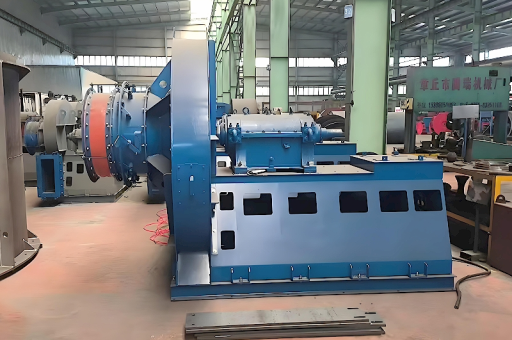
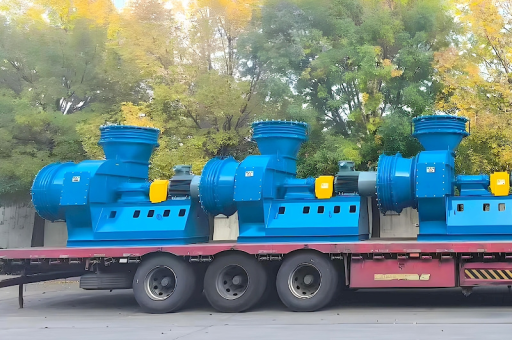
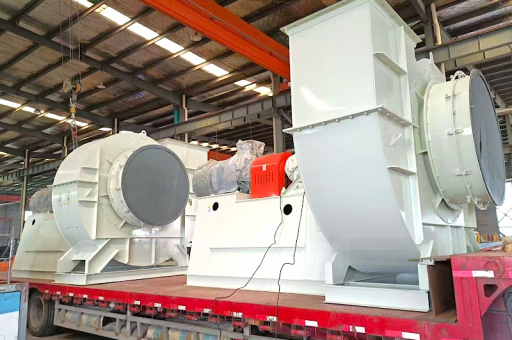
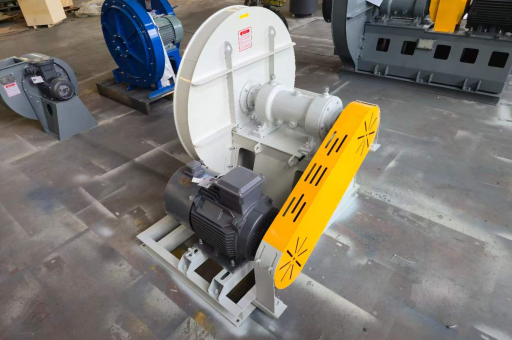
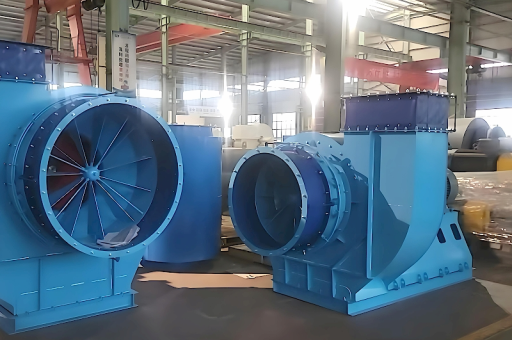
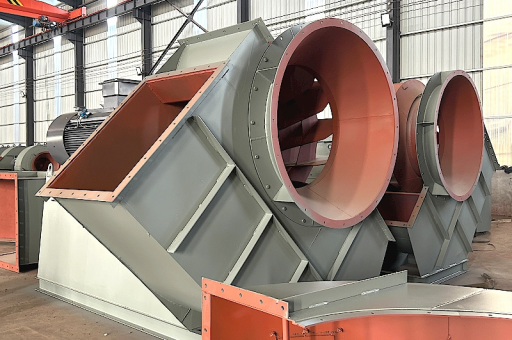
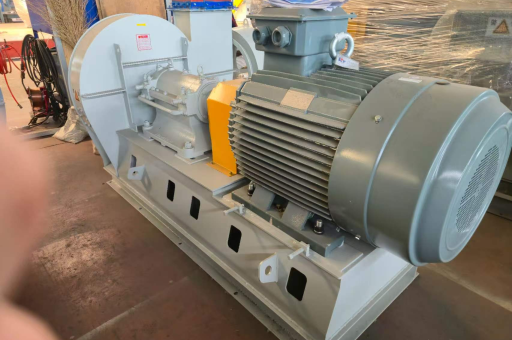
For powder conveying, the standard fan type is a Centrifugal Fan (also called a Blower). You generally do not use an axial fan (like a desk fan) for this.
- Medium Pressure (Standard): For general pneumatic conveying (dilute phase).
- High Pressure (Specialized): For dense phase conveying or longer distances. A 7.5kW fan is usually in the High Pressure category.
Key Specifications (What "7.5kW" implies)
A 7.5kW motor dictates a specific performance range, but the exact output depends on the fan design (impeller size, speed, housing).
| Parameter | Typical Range for 7.5kW Fan |
|---|---|
| Motor Power | 5 kW (10 HP) |
| Voltage | 380V-415V / 3-Phase (Standard) or 220V/440V |
| Airflow (m³/h or CFM) | 1,500 – 4,000 m³/h (900 – 2,400 CFM) |
| Static Pressure (mmH₂O or Pa) | High Pressure: 1,000 – 3,500 mmH₂O (10,000 – 35,000 Pa) |
| RPM | 2,900 RPM (Direct Drive) or 1,450 RPM (Belt Drive) |
| Impeller Type | Backward Curved (efficient, non-clogging for powder) or Radial (for abrasive powders) |
Critical Requirements for Powder Conveying
Standard fans fail quickly on powder. A Powder Conveying Fan must have:
- Abrasion Resistance: The impeller and housing must be made of thick steel (e.g., Q235 or higher) or have wear-resistant liners.
- Dust-Tight Seals: Special seals (e.g., labyrinth or gas-purge seals) at the shaft to prevent powder from leaking into the bearings.
- Direct Drive Preferred: Belt drives can slip under the load of powder. Direct drive (motor shaft connects directly to impeller) is more robust.
- Variable Speed (VFD Ready): To control the conveying speed and reduce wear, most modern systems use a Variable Frequency Drive.
Typical Applications (Where you find a 7.5kW fan)
- Pneumatic Conveying Systems: Moving plastic granules from a dryer to an injection molding machine.
- Woodworking: Sucking sawdust from machines to a cyclone or baghouse.
- Cement & Minerals: Light dust extraction or dilute phase transport.
- Food Processing: Conveying flour, sugar, or grain dust.
- Textile: Moving fiber waste.
Important Questions to Identify the Correct Fan
To avoid buying the wrong fan, you must know:
- Type of Powder? (Abrasive like sand? Sticky like flour? Explosive like coal dust?)
- Conveying Distance? (Short: 10m. Long: 100m). This determines the required pressure.
- Material Density? (Bulk density in kg/m³). Heavy powder needs more pressure.
- Airflow Rate Required? (How much material per hour?).
- Temperature? (Hot air or room temperature?).
Example Product Specification (Hypothetical)
Product Name: 7.5kW High Pressure Centrifugal Powder Conveying Fan
- Motor: 7.5kW, 380V, 50Hz, 3-Phase, IP55
- Airflow: 2500 m³/h
- Static Pressure: 2800 Pa
- Speed: 2900 RPM (Direct Drive)
- Connection: Inlet: 8" | Outlet: 6"
- Material: Stamped Steel Impeller with wear plate.
Summary
- Yes, a 7.5kW fan is very common for medium-duty pneumatic conveying.
- Centrifugal is the only practical type.
- Do not buy a standard ventilation fan – it will fail within hours.
- You likely need a "High Pressure" or "Medium Pressure" industrial blower specifically rated for material handling.
Next Step: If you want to buy one, search for "7.5kW High Pressure Powder Conveying Centrifugal Fan" or "7.5kW Material Handling Blower". Provide the material type and distance to a supplier for an accurate quote.
Do you need help calculating the required pressure for your specific system?