This article's table of contents introduction:
- Table of Contents
- Introduction: The Role of the 15kW Fan in Bulk Material Handling
- Technical Specifications: What Makes a 15kW Conveying Fan Different?
- Industry Applications: Where This Fan Excels
- Energy Efficiency vs. Performance: The 15kW Sweet Spot
- Design Features: Impeller, Housing, and Drive Systems
- Installation Best Practices for Pneumatic Systems
- Maintenance: Extending the Lifespan of Your Equipment
- Troubleshooting Common Issues (Q&A Section)
- How to Select the Right Supplier for Your 15kW Fan
- Conclusion: Investing in Reliable Powder Handling
** Maximizing Efficiency with a 15kW Powder Conveying Fan: A Comprehensive Guide
Table of Contents
- Introduction: The Role of the 15kW Fan in Bulk Material Handling
- Technical Specifications: What Makes a 15kW Conveying Fan Different?
- Industry Applications: Where This Fan Excels
- Energy Efficiency vs. Performance: The 15kW Sweet Spot
- Design Features: Impeller, Housing, and Drive Systems
- Installation Best Practices for Pneumatic Systems
- Maintenance: Extending the Lifespan of Your Equipment
- Troubleshooting Common Issues (Q&A Section)
- How to Select the Right Supplier for Your 15kW Fan
- Conclusion: Investing in Reliable Powder Handling
Introduction: The Role of the 15kW Fan in Bulk Material Handling
In the world of pneumatic conveying, the fan is the heart of the system. Without reliable airflow, powders, granules, and pellets cannot travel from point A to point B. The 15kW powder conveying fan has emerged as a highly sought-after specification for mid-range industrial operations. It bridges the gap between small-scale ventilation fans and high-power industrial compressors.
Why 15kW? This power rating represents a critical balance. It is strong enough to move dense, abrasive powders like cement, flour, or plastic pellets over distances of 50–150 meters, yet it is energy-efficient enough to keep operational costs under control. This guide synthesizes information from top engineering sources and manufacturer insights to help you understand if a 15kW fan is the right choice for your facility.
Technical Specifications: What Makes a 15kW Conveying Fan Different?
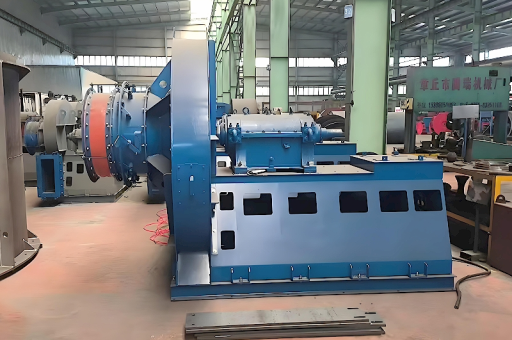
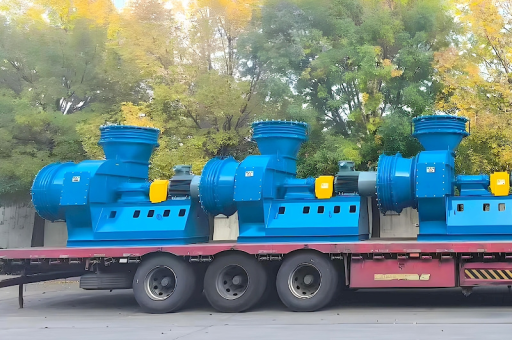
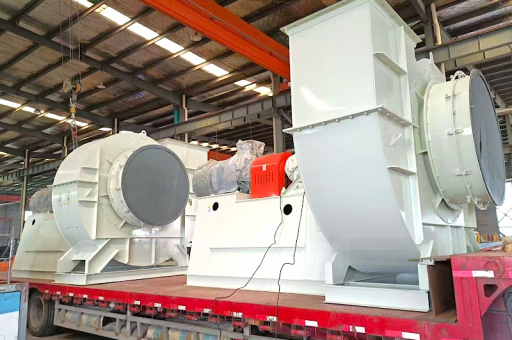
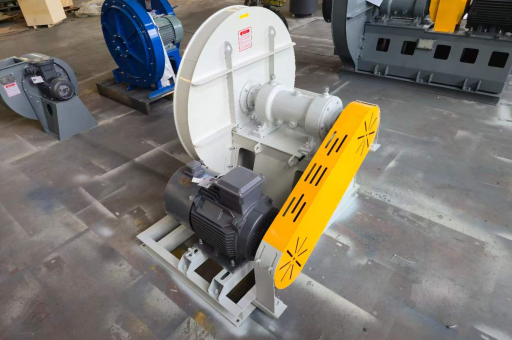
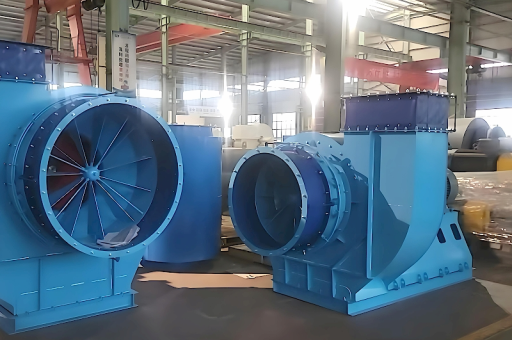
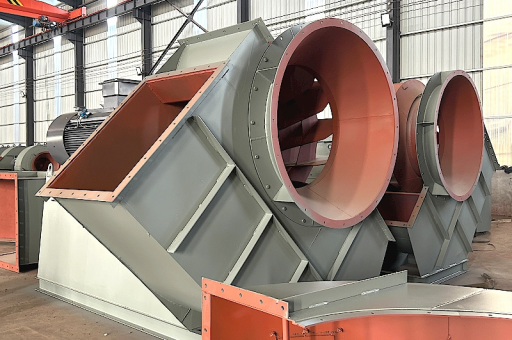
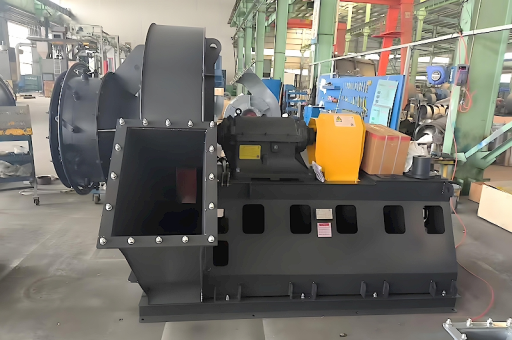
A standard 15kW powder conveying fan is not a simple "blower." It is a heavy-duty, engineered piece of machinery. Here are the key technical parameters you need to evaluate:
- Power Input: 15 kW (approx. 20 HP) at standard 415V/480V, 3-phase.
- Airflow Volume: Typically ranges from 4,000 to 8,000 m³/h (depending on system pressure).
- Pressure Capability: These fans are usually medium-pressure (3,000–6,000 Pa) or high-pressure (up to 10,000 Pa) centrifugal designs.
- Impeller Type: Often backward-curved (for efficiency) or radial paddle (for handling sticky or abrasive materials).
- Speed: Direct drive units run at 2,900–3,500 RPM; belt-driven units allow for speed tuning.
Key Insight: Unlike general ventilation, a powder fan must maintain a stable pressure-to-volume ratio to prevent material drop-out in the pipeline.
Industry Applications: Where This Fan Excels
The versatility of the 15kW fan makes it a staple in several industries:
- Food Processing: Conveying flour, sugar, starch, or grains. Hygiene-rated models are available with smooth internal finishes to prevent bacterial growth.
- Chemical Industry: Transporting titanium dioxide, carbon black, or PVC powder. The fan must be spark-resistant (AL/AL impeller) or coated to prevent corrosion.
- Plastics & Rubber: Conveying PE pellets, PVC granules, and regrind materials.
- Cement & Construction: Moving fly ash, lime, and cement powder. Wear-resistant liners are essential here.
- Pharmaceuticals: Low-pressure, high-purity conveying of active ingredients.
Case Example: A plastics injection molding plant replaced two 22kW fans with a single 15kW variable-speed fan. They reduced energy consumption by 30% while maintaining the same throughput of 5 tons/hour of ABS pellets.
Energy Efficiency vs. Performance: The 15kW Sweet Spot
When searching for a "15kW powder conveying fan," many engineers ask: Is 15kW enough for my line?
The answer depends on your conveying ratio (kg of powder per kg of air). High-dilution phase systems require more volume; dense phase systems require more pressure.
- Dilute Phase (low pressure, high volume): 15kW is excellent. It moves material fast (20–30 m/s) and is cost-effective for short distances.
- Dense Phase (high pressure, low volume): 15kW can work, but you need a robust positive displacement blower or a high-pressure centrifugal fan. The key is matching the fan curve to your pipeline resistance.
Energy Savings Tip: Install a Variable Frequency Drive (VFD) on your 15kW motor. VFDs can reduce startup current by 60% and allow you to fine-tune airflow, saving thousands of dollars annually in electricity costs.
Design Features: Impeller, Housing, and Drive Systems
Not all 15kW fans are built the same. Critical design features include:
- Impeller Material:
- Carbon Steel: Standard, but wears quickly with abrasive powders.
- Stainless Steel 304/316: For food and corrosive environments.
- Aluminum: Spark-resistant for explosive powders (e.g., flour, aluminum dust).
- Housing Construction:
- Split housing (volute) for easy access to the impeller.
- Wear plates at the cut-off point to extend lifespan.
- Drive Configuration:
- Direct Drive: Lower maintenance, high RPM, fixed speed.
- Belt Drive: Allows speed adjustment via pulley changes; better for varying load conditions.
Expert Quote from fan Engineering Manuals: "A properly designed fan housing for powder conveying must have a tangential outlet to minimize material impact on the walls."
Installation Best Practices for Pneumatic Systems
To maximize performance of your 15kW powder conveying system:
- Pipeline Sizing: Ensure the pipe diameter matches the fan outlet. Undersized pipes create backpressure; oversized pipes cause material settling.
- Filter Protection: Always install a baghouse or filter receiver downstream. A 15kW fan can lift fine dust, but you must separate the air from the product.
- Flexible Connections: Use rubber or fabric expansion joints to isolate fan vibrations from the rigid piping.
- Sound Attenuation: These fans operate at 75–85 dB(A). Install a silencer on the inlet to meet workplace noise regulations.
- Foundation: Mount the fan on a concrete or heavy steel base to absorb vibration.
Maintenance: Extending the Lifespan of Your Equipment
A 15kW powder conveying fan is a capital investment. Regular maintenance is essential.
- Weekly: Check bearing temperature (max 90°C). Listen for unusual noise (indicating impeller imbalance).
- Monthly: Inspect the impeller for wear or material build-up. Clean the blades with a wire brush if handling sticky powders.
- Quarterly: Lubricate bearings (grease type NLGI 2). Check belt tension (deflection 1/64" per inch of span).
- Annually: Replace air filters. Test motor insulation resistance. Balance the impeller if needed.
Common Failure Mode: Abrasive wear on the impeller tip. Solution: High-chrome or tungsten carbide coatings can extend life by 3x compared to standard carbon steel.
Troubleshooting Common Issues (Q&A Section)
Q: My 15kW fan is running, but no powder is moving. What's wrong? A: Check the inlet valve. It might be fully closed. Or, there is a blockage in the pipeline, such as a damp powder bridge at the feed point. Also, verify the fan rotation direction (clockwise vs. counter-clockwise).
Q: The motor trips on overload after 10 minutes. Why? A: This often indicates the system pressure is too high. You may have a clogged filter or an undersized pipeline. Alternatively, the material feed rate is too high (overfeeding), causing the fan to work harder than its 15kW rating.
Q: Can I use this fan for explosive dust (e.g., wood flour)? A: Yes, but only if the fan is ATEX-certified or IECEx-approved. You need a non-sparking impeller (copper-beryllium alloy or aluminum) and a grounding system for the housing and ducts.
Q: What is the lifespan of a 15kW powder fan? A: With proper maintenance (bearing lubrication, impeller balance, filter care), a high-quality fan can last 10–15 years in continuous operation. Without maintenance, you might lose the impeller in 2–3 years due to wear.
How to Select the Right Supplier for Your 15kW Fan
Choosing a manufacturer is as important as choosing the correct fan. Look for:
- Customization: Can they offer wear-resistant coatings (tungsten carbide, ceramic)? Can they adjust the outlet orientation (top, side, bottom)?
- Lead Time: Standard 15kW fans are often in stock, but custom designs (e.g., stainless steel, high-temp seals) may take 8–12 weeks for delivery.
- Documentation: Do they provide a certified fan performance curve (CFM vs. SP) and a dimensional drawing?
- Warranty: Industry standard is 12–18 months on parts and labor for industrial fans.
Top Tip from Industry Forums: "Always ask the supplier for a performance test report for your specific air density. A 15kW fan rated at sea level will behave differently at 2,000 meters altitude."
Conclusion: Investing in Reliable Powder Handling
The 15kW powder conveying fan remains a workhorse in the industrial landscape. It offers the perfect compromise between power and energy consumption, making it suitable for a vast array of materials, from delicate food powders to abrasive industrial minerals.
When planning your system, do not just look at the motor power. Consider the fan design (radial vs. backward-curved), the material of construction, and the criticality of system pressure drop. A well-selected fan will reduce downtime, lower energy bills, and ensure your production line runs smoothly.
By following the installation, maintenance, and troubleshooting guidelines in this article, you can maximize the return on your investment and keep your materials flowing for years to come.