This article's table of contents introduction:
- Table of Contents
- Introduction
- Understanding the Core Components
- Why Low Noise Matters in High-Power Systems
- Technical Comparison: FD Fan vs. ID Fan vs. Dust Suction Blower
- Installation Best Practices for 160kW Dust Suction Blowers
- Energy Efficiency and Noise Reduction Strategies
- Frequently Asked Questions (FAQ)
- Conclusion
*Maximizing Efficiency with Low Noise 160kW Dust Suction Blower, Forced Draught Fan, and ID Fan: A Comprehensive Guide to Industrial Air Management*
Table of Contents
- Introduction: The Evolution of Industrial Air Movement
- Understanding the Core Components
- 1 Low Noise 160kW Dust Suction Blower
- 2 Forced Draught Fan (FD Fan)
- 3 Induced Draught Fan (ID Fan)
- Why Low Noise Matters in High-Power Systems
- Technical Comparison: FD Fan vs. ID Fan vs. Dust Suction Blower
- Installation Best Practices for 160kW Dust Suction Blowers
- Energy Efficiency and Noise Reduction Strategies
- Frequently Asked Questions (FAQ)
- Conclusion: Choosing the Right Fan for Your Facility
Introduction
In modern industrial environments, air handling is not merely an operational detail—it is a critical infrastructure component. Whether you are managing a cement plant, a steel mill, a power generation facility, or a woodworking workshop, the need for reliable, high-performance air movement equipment is paramount. Among the most sought-after solutions today is the Low Noise 160kW Dust Suction Blower, often deployed alongside Forced Draught (FD) Fans and Induced Draught (ID) Fans.
This article provides an in-depth, SEO-optimized analysis of these three fan types, focusing on their unique roles, noise reduction features, and how they integrate into industrial systems. We will explore real-world applications, technical specifications, and answer common questions to help engineers and procurement professionals make informed decisions.
Understanding the Core Components
1 Low Noise 160kW Dust Suction Blower
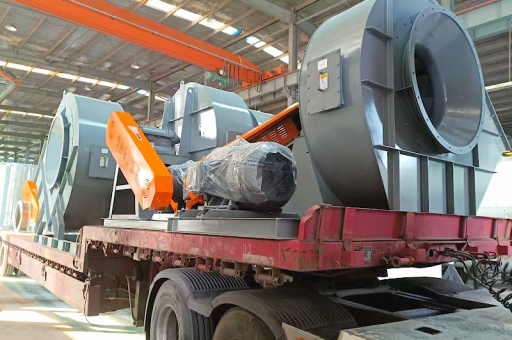
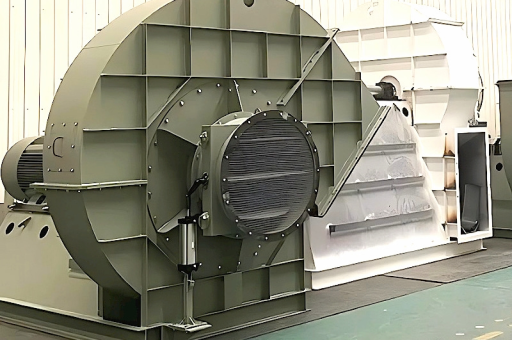
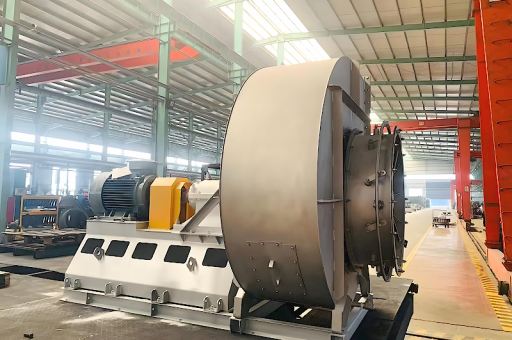
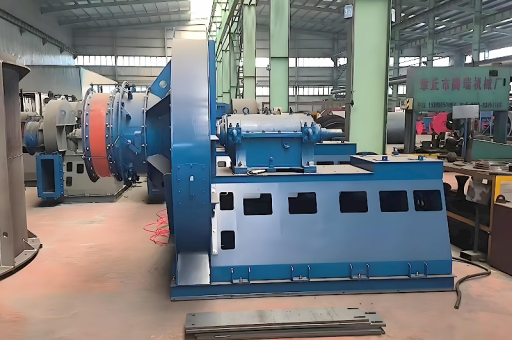
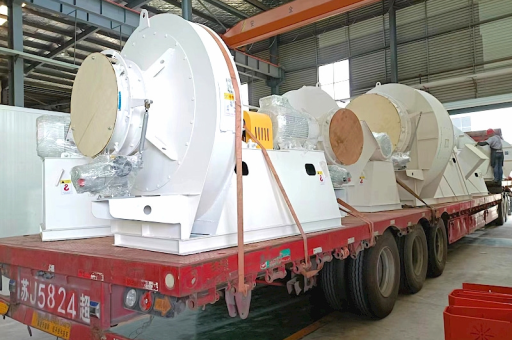
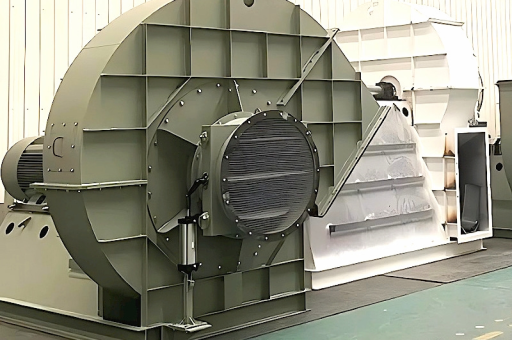
A 160kW dust suction blower is a high-capacity, heavy-duty fan designed to extract dust, particulate matter, and fumes from industrial processes. The "Low Noise" designation means the unit incorporates advanced aerodynamic blade designs, vibration dampening mounts, and sound-attenuating housing to reduce operational decibel levels—often below 85 dBA even at full load.
Key Features:
- Power: 160 kW (approximately 214 HP)
- Airflow: Typically 80,000 to 120,000 m³/h depending on system resistance
- Static Pressure: Up to 4000 Pa
- Noise Level: ≤ 82 dBA at 1 meter (with silencer)
- Application: Cement silos, wood chip handling, chemical powder transport, mining ventilation
2 Forced Draught Fan (FD Fan)
A Forced Draught Fan pushes ambient air into a combustion chamber, boiler, or furnace. Its primary role is to supply the necessary oxygen for combustion and ensure proper fuel-air mixing. FD fans operate on the positive pressure side—air is pushed into the system.
Typical Usage: Coal-fired boilers, industrial furnaces, incinerators, dryers.
3 Induced Draught Fan (ID Fan)
An Induced Draught Fan pulls flue gases or exhaust air out of a system, creating negative pressure. This ensures that combustion gases are safely extracted and that any leaks are inward (preventing dangerous gases from escaping into the workspace). ID fans handle hot, often abrasive, and corrosive gases.
Typical Usage: Thermal power plants, waste heat recovery systems, cement kilns.
Why Low Noise Matters in High-Power Systems
Noise pollution is a serious concern in industrial settings. A standard 160kW blower can generate 100–110 dBA, which mandates hearing protection for anyone nearby. However, Low Noise design reduces sound to levels where:
- Workers can communicate more effectively.
- Compliance with OSHA (USA) or EU Directive 2003/10/EC noise limits is easier.
- Equipment is suitable for installations near residential zones or in urban factories.
Cost-Benefit: While low-noise variants may cost 10–15% more upfront, they reduce the need for expensive secondary noise barriers and hearing conservation programs.
Technical Comparison: FD Fan vs. ID Fan vs. Dust Suction Blower
| Feature | Low Noise 160kW Dust Suction Blower | Forced Draught (FD) Fan | Induced Draught (ID) Fan |
|---|---|---|---|
| Primary Function | Extract dust/particulates | Push air into system | Pull exhaust out |
| Pressure Type | Negative (suction side) | Positive | Negative |
| Air Temp | Ambient to warm (≤80°C) | Ambient to hot (≤150°C) | Hot (≤400°C with cooling) |
| Noise Level | ≤82 dBA (low noise) | 85–95 dBA typical | 90–105 dBA (with silencer options) |
| Material | Carbon steel, anti-wear lining | Carbon steel | Stainless steel or alloy for heat resistance |
| Efficiency | Up to 82% (aerodynamic design) | Up to 85% | 75–80% (due to hot gas losses) |
Critical Insight: A Low Noise 160kW Dust Suction Blower is designed specifically for particulate extraction and noise-sensitive environments, while FD and ID fans are optimized for combustion gas management. They are not interchangeable.
Installation Best Practices for 160kW Dust Suction Blowers
Installing a high-power dust suction system requires careful planning:
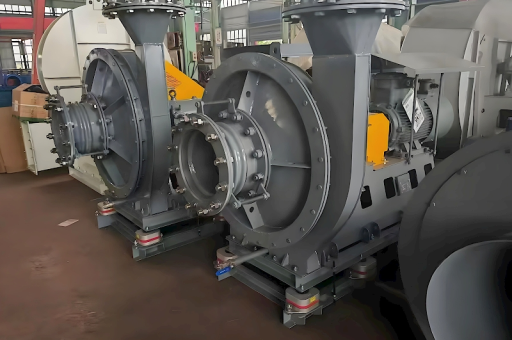
- Foundation and Isolation: Use a concrete base with vibration isolators (spring or rubber) to prevent structural noise transmission.
- Duct Design: Keep duct runs short and straight. Each 90° bend adds 30–50 Pa of pressure loss.
- Silencers: Install inlet and outlet silencers—these are often bundled with low-noise models.
- Variable Frequency Drive (VFD): Use a VFD to match motor speed to system demand. This reduces noise at partial load by up to 15 dBA and saves 30% energy.
- Dust Collection Unit: Pair with a baghouse or cyclone to avoid particulate re-entrainment.
Energy Efficiency and Noise Reduction Strategies
- Blade Profile: Backward-curved centrifugal blades are quieter and more efficient than forward-curved types.
- Motor Selection: Premium efficiency IE3 or IE4 motors reduce heat and noise.
- Acoustic Enclosures: For extreme-low-noise demands (<75 dBA), surround the blower with a soundproof cabin with ventilation louvers.
- Regular Maintenance: Dirty blades unbalanced? Noise increases 5–10 dBA. Clean impellers every 6 months.
Frequently Asked Questions (FAQ)
Q1: Can a Low Noise 160kW Dust Suction Blower replace an FD or ID fan?
No. Each fan serves a distinct purpose. The dust suction blower is for particulate removal; FD/ID fans manage combustion airflow. Using them interchangeably can damage bearings, overheat motors, or fail to meet process pressure requirements.
Q2: What is the typical lifespan of these fans?
With proper maintenance (bearing greasing, belt tension, balancing), a 160kW dust suction blower lasts 10–15 years. FD and ID fans in harsh environments may need impeller replacement every 5–8 years.
Q3: How do I calculate the exact noise level for my installation?
Noise at a given distance follows the inverse square law. If the fan is rated at 82 dBA at 1m, at 10m it will be approximately 62 dBA. Add 3 dBA for each doubling of the number of identical fans operating together.
Q4: Are low-noise fans always more expensive?
Yes, typically 10–20% more, but the savings from reduced hearing protection costs, fewer complaints, and lower employee turnover often justify the investment.
Q5: What kind of motor is best for a 160kW low-noise dust blower?
A 160kW 4-pole induction motor (1500 rpm at 50Hz) with IE4 efficiency and VFD compatibility is ideal. This reduces both noise and electrical consumption.
Conclusion
When designing or upgrading an industrial air management system, the Low Noise 160kW Dust Suction Blower, Forced Draught Fan, and Induced Draught Fan each play a non-negotiable role. The dust suction blower excels in particulate control with minimal acoustic footprint—making it perfect for modern, noise-conscious facilities. FD fans ensure combustion efficiency, while ID fans guarantee safe exhaust extraction.
For engineers, procurement specialists, and facility managers, the key takeaway is this: Invest in low-noise technology not just for compliance, but for long-term operational quality. Pair your equipment with VFDs, silencers, and proper ductwork, and you will achieve a quieter, more efficient, and more productive plant.
Need a quote or technical datasheet for a Low Noise 160kW Dust Suction Blower? Contact your local fan supplier or industrial ventilation specialist.