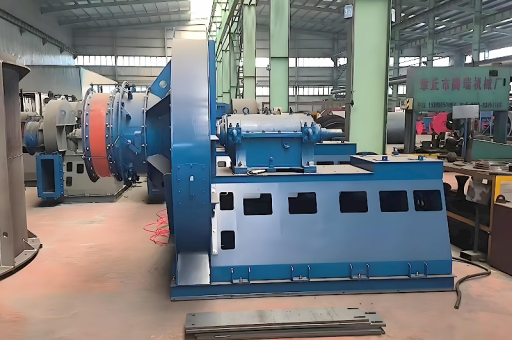
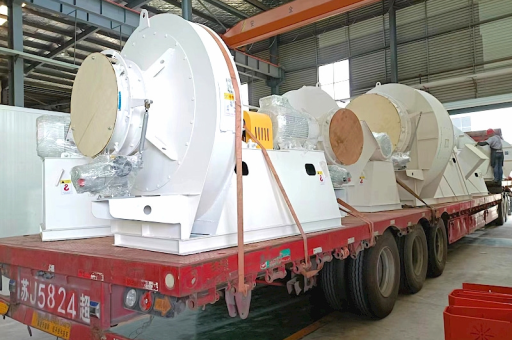
** The Ultimate Guide to Explosion-Proof Stainless Steel Fans: Safety, Durability, and Industrial Applications
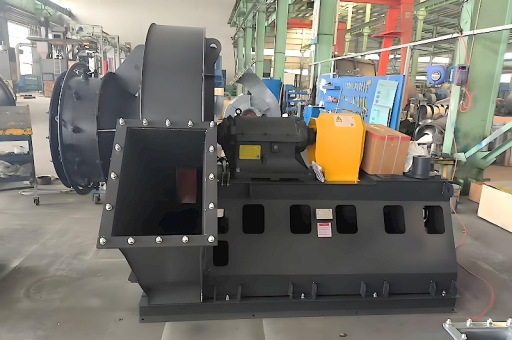
Table of Contents
- Introduction: Why Explosion-Proof Stainless Steel Fans Matter
- What Is an Explosion-Proof Stainless Steel Fan?
- Key Construction Materials and Design Principles
- How These Fans Prevent Ignition in Hazardous Environments
- Primary Applications Across Industries
- Performance Metrics: Airflow, Pressure, and Efficiency
- Installation and Maintenance Best Practices
- FAQ Section: Common Questions Answered
- Comparison with Standard Industrial Fans
- Future Trends and Regulatory Compliance
- Conclusion
Introduction: Why Explosion-Proof Stainless Steel Fans Matter
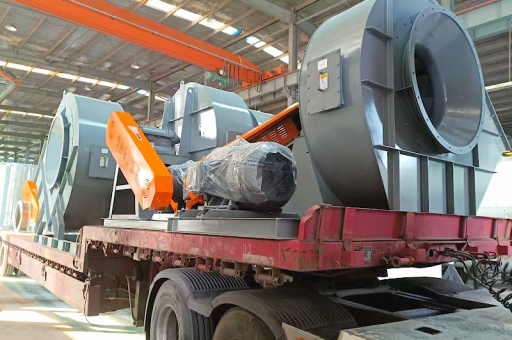
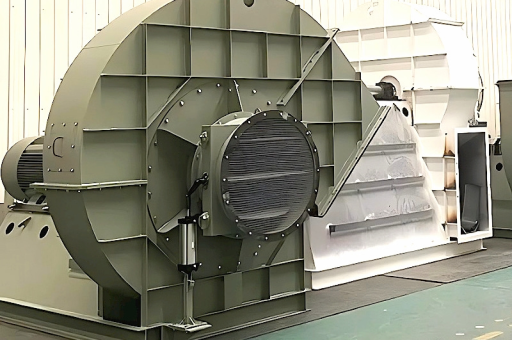
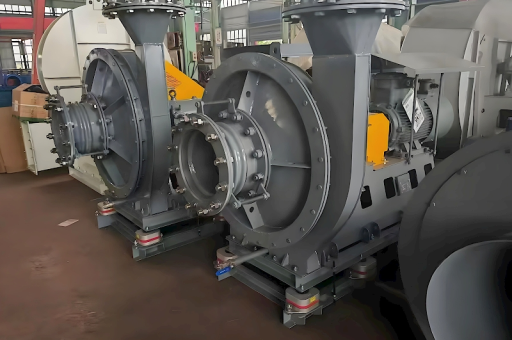
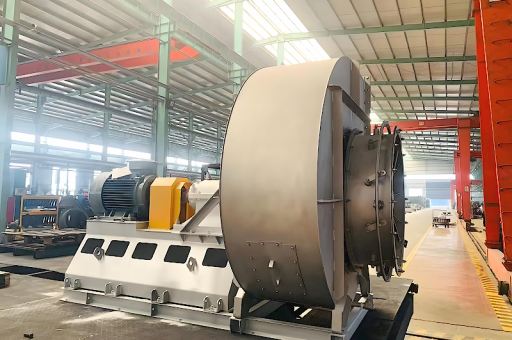
In volatile industrial environments where flammable gases, vapors, or combustible dusts are present, standard ventilation equipment can become a deadly ignition source. Explosion-proof stainless steel fans are engineered specifically to mitigate this risk. Unlike ordinary fans, they are constructed from non-sparking materials, feature sealed motor housings, and comply with stringent international standards such as ATEX, IECEx, and NEC. Their stainless steel composition also offers superior corrosion resistance, making them essential in chemical plants, oil refineries, offshore platforms, and pharmaceutical facilities. This guide synthesizes current industry knowledge to deliver a comprehensive, SEO-optimized resource for engineers, safety officers, and procurement professionals.
What Is an Explosion-Proof Stainless Steel Fan?
An explosion-proof stainless steel fan is a specialized ventilation device designed to operate safely in hazardous locations where explosive atmospheres may exist. The term "explosion-proof" does not mean the fan can withstand an external explosion; rather, it means the fan is constructed to contain any internal ignition without allowing flames, sparks, or hot gases to escape and ignite the surrounding environment. The stainless steel variant adds a layer of chemical resistance and durability, particularly in corrosive or high-moisture settings. These fans are typically classified by division or zone (e.g., Class I Division 1, Zone 1 or Zone 2) depending on the likelihood and duration of hazardous conditions.
Key Construction Materials and Design Principles
The core material—stainless steel (commonly 304 or 316 grade)—is chosen for its non-sparking properties and resistance to corrosion. Key design elements include:
- Non-sparking impellers: Often made from stainless steel or aluminum-bronze alloys to prevent frictional sparks.
- Sealed motor enclosures: The motor is fully encapsulated to prevent contact between electrical components and flammable gases.
- Grounding connections: To eliminate static electricity buildup.
- Tight tolerances: A small gap between the impeller and housing reduces the risk of heat generation from friction.
- Thermal overload protection: Automatically shuts down the motor if internal temperatures exceed safe limits.
Manufacturers must also ensure all fasteners, guards, and conduits are compatible with explosive environments. Many units feature a heavy-duty housing that can contain an internal explosion without rupturing.
How These Fans Prevent Ignition in Hazardous Environments
The mechanism of ignition prevention in explosion-proof stainless steel fans operates on three levels:
- Containment: If an internal spark or flame occurs, the fan housing is thick enough to withstand the pressure and prevent the flame from propagating outside.
- Isolation: All electrical connections are sealed within explosion-proof junction boxes. The motor is often isolated from the airstream to avoid direct contact with potentially explosive mixtures.
- Temperature control: The maximum surface temperature of the fan is kept well below the auto-ignition temperature of the surrounding gases or dusts. This is achieved through motor cooling fins, low-speed operation, or thermal sensors.
For example, in a hydrogen sulfide environment (auto-ignition temperature ~260°C), a fan designed for T3 (200°C) or T4 (135°C) temperature class would provide adequate safety.
Primary Applications Across Industries
Explosion-proof stainless steel fans are deployed in a wide range of industries:
- Oil & Gas: Ventilation of offshore platforms, refineries, and storage tanks where hydrocarbon vapors accumulate.
- Chemical Manufacturing: Removal of toxic or flammable fumes from reactors, mixing vessels, and storage areas.
- Pharmaceuticals: Control of combustible dusts (e.g., lactose, starch) and solvent vapors in cleanrooms.
- Marine & Offshore: Below-deck ventilation on ships where diesel fumes or gas leaks may occur.
- Wastewater Treatment: Aeration or exhaust in enclosed spaces where methane or hydrogen sulfide may be present.
- Mining & Tunneling: Ventilation of underground workings where explosive gases like methane are common.
Each application demands specific certification (e.g., ATEX in Europe, NEC in the US) and often requires customization for extreme temperatures or aggressive chemicals.
Performance Metrics: Airflow, Pressure, and Efficiency
When selecting an explosion-proof stainless steel fan, critical performance parameters include:
- Airflow (CFM or m³/h): Must match the required ventilation rate for the hazard zone.
- Static Pressure (in. w.g. or Pa): Determines the fan's ability to overcome ductwork resistance.
- Sound Level (dBA): Important in occupied areas; explosion-proof fans tend to be slightly louder due to robust construction.
- Efficiency: Measured by the fan's power consumption relative to airflow. Modern designs use aerodynamically optimized blades to reduce energy costs.
- Temperature Class: Indicates the maximum safe operating temperature (e.g., T3, T4, T6).
For instance, a typical 12-inch explosion-proof stainless steel fan might deliver 1,200 CFM at 0.5 static pressure while consuming 0.25 HP and operating below 65 dBA.
Installation and Maintenance Best Practices
Proper installation and routine maintenance are crucial for safety and longevity:
- Installation: Always follow the manufacturer's wiring diagram; use explosion-proof conduit and seal fittings. Ensure the fan is securely mounted and grounded. Avoid installing in areas with excessive vibration or direct chemical spray unless rated for such conditions.
- Maintenance:
- Inspect blades monthly for corrosion, debris, or warping.
- Check bearings and seals for wear; replace as recommended.
- Test thermal overload and grounding annually.
- Clean the housing and motor exterior with non-abrasive materials to maintain dissipation.
- Verify that all certification labels remain legible and that no unauthorized modifications have been made.
Maintenance logs should be kept for compliance audits.
FAQ Section: Common Questions Answered
Q1: Can explosion-proof stainless steel fans be used outdoors?
Yes, many models are rated for outdoor use, especially those with 316 stainless steel and weatherproof enclosures. They are ideal for wind turbine nacelle ventilation or offshore platforms where salt spray is present.
Q2: What is the difference between a spark-proof and explosion-proof fan?
Spark-proof fans only prevent sparks from the impeller, while explosion-proof fans contain internal explosions and seal electrical components. Explosion-proof is a higher safety standard.
Q3: How do I determine the correct temperature class for my facility?
Refer to the material safety data sheets (MSDS) for the gases or dusts present. Compare their auto-ignition temperatures to the fan's T-class rating. For example, T6 (85°C max) is safest for environments with low-ignition-point substances.
Q4: Do these fans require special electrical wiring?
Yes. All wiring must be run through explosion-proof conduit and sealed at entry points to prevent gas ingress. A licensed electrician with hazardous location training should perform the installation.
Q5: Can I replace a standard fan in a hazardous area with an explosion-proof model?
Generally, yes, but you must verify that the replacement fan has the correct certification, airflow rating, and temperature class for your specific zone. Always consult a safety engineer.
Q6: Are explosion-proof stainless steel fans more expensive than standard fans?
Yes, due to specialized materials, testing, and certification costs. However, the investment is justified by regulatory compliance and risk mitigation.
Q7: How long do these fans typically last?
With proper maintenance, a high-quality 316 stainless steel fan can last 10–15 years in corrosive environments, while 304 grade might last 5–8 years depending on exposure.
Comparison with Standard Industrial Fans
| Feature | Explosion-Proof Stainless Steel Fan | Standard Industrial Fan |
|---|---|---|
| Material | Stainless steel (304/316) | Galvanized steel or aluminum |
| Spark Risk | Non-sparking impeller | Potential for sparks |
| Motor | Sealed, explosion-proof | Open drip-proof or TEFC |
| Certification | ATEX, IECEx, NEC | None or general purpose |
| Cost | High | Low to medium |
| Lifespan (corrosive) | Long (10–15 years) | Short (2–5 years) |
| Applications | Hazardous zones | General ventilation |
For extreme conditions—such as a wind turbine installation in a chemical processing plant—explosion-proof stainless steel fans are non-negotiable for safety.
Future Trends and Regulatory Compliance
The global push for workplace safety and environmental protection is driving innovation in explosion-proof fan technology:
- Smart monitoring: Integrated sensors for real-time temperature, vibration, and airflow monitoring, enabling predictive maintenance.
- Energy efficiency: Brushless DC motors and variable speed drives reduce power consumption in Zone 1 and Zone 2 applications.
- Lightweight composites: Research into corrosion-resistant, non-sparking polymers may eventually supplement stainless steel.
- Global harmonization: Efforts by IECEx to standardize certifications across regions simplify procurement for multinational companies.
Regulatory bodies continue to update standards (e.g., ATEX 2014/34/EU, NFPA 70 in the US) to address emerging hazards like lithium-ion battery off-gassing. Companies must stay current to avoid fines and ensure worker safety.
Conclusion
Explosion-proof stainless steel fans represent a critical intersection of mechanical engineering, materials science, and safety compliance. Their robust construction, non-sparking design, and ability to contain internal ignitions make them indispensable in hazardous industrial environments—from chemical plants to offshore rigs and even wind turbine maintenance zones. When selecting a fan, prioritize certification, temperature class, and material suitability for your specific environment. With proper installation and maintenance, these fans provide long-term reliability, regulatory peace of mind, and most importantly, protection for personnel and assets. For any facility where volatile atmospheres are a concern, investing in a certified explosion-proof stainless steel fan is not just a choice—it is a responsibility.