This article's table of contents introduction:
- What is a Centrifugal Stainless Steel Fan?
- Key Construction & Materials
- Why Choose Stainless Steel? (The Key Advantages)
- Common Applications
- How to Select the Right Fan (Key Parameters)
- Typical Manufacturers & Brands
- Maintenance Tips
Here is a comprehensive overview of Centrifugal Stainless Steel Fans, covering their definition, construction, key applications, and advantages.
What is a Centrifugal Stainless Steel Fan?
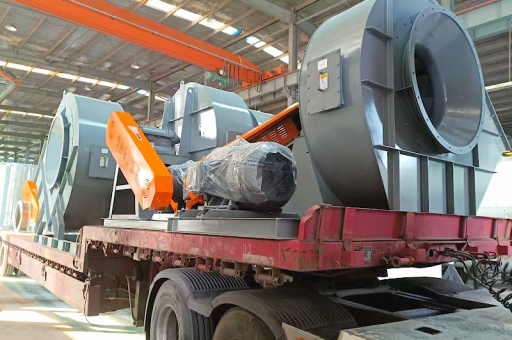
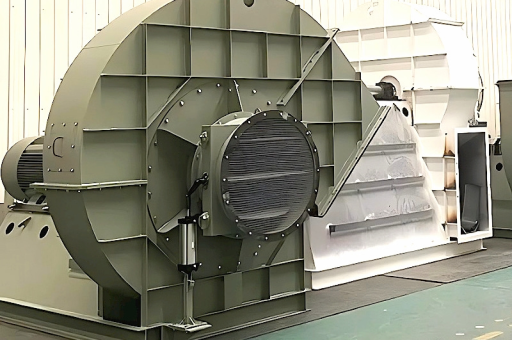
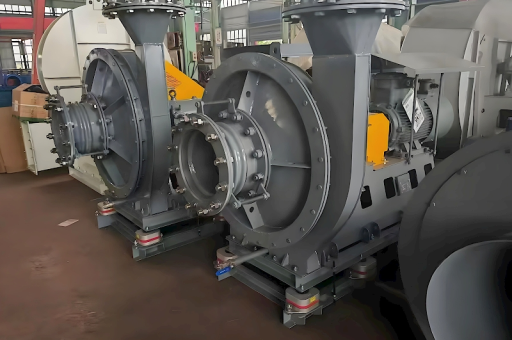
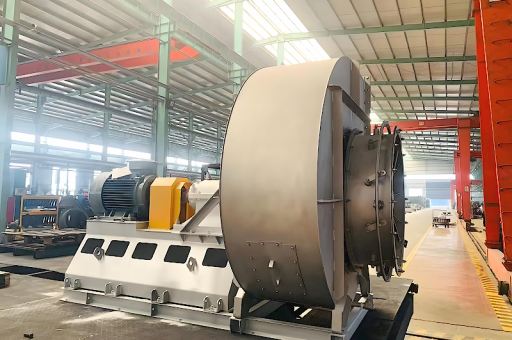
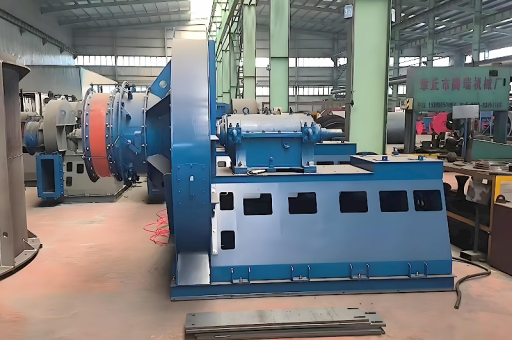
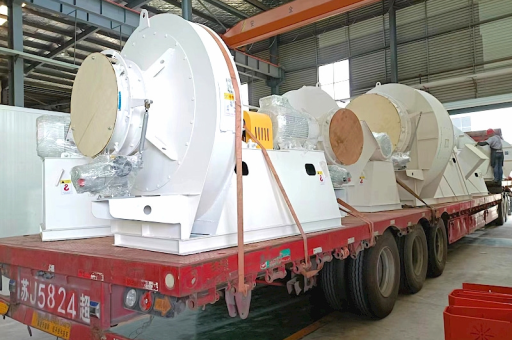
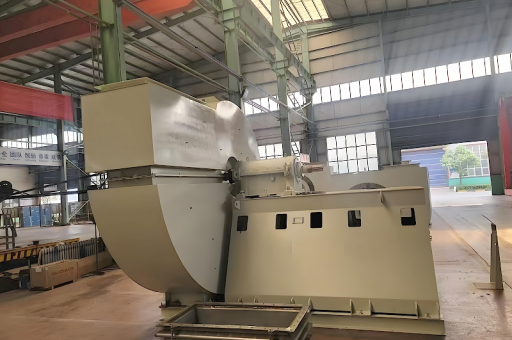
A centrifugal fan (also known as a radial fan or squirrel-cage fan) is a mechanical device that moves air or gases by using the centrifugal force generated by a rotating impeller. Air enters the fan at the center of the impeller, is caught by the rotating blades, and is thrown outward to the edge of the fan housing, creating a high-pressure airflow.
When this fan is constructed from stainless steel (typically 304 or 316 grades), it is specifically designed to handle harsh environments, corrosive fumes, high temperatures, or materials that would quickly degrade a standard carbon steel fan.
Key Construction & Materials
- Material: The housing, impeller (wheel), and often the inlet cone are made from 304 or 316L stainless steel.
- 304 SS: Good for general corrosive fumes, moist air, and food processing.
- 316L SS: Superior resistance to chlorides, acids, and salt spray (e.g., marine environments, chemical plants).
- Wheel Design (Impeller):
- Forward Curved: Many blades, high volume, low noise, but lower efficiency. Used for HVAC and clean air.
- Backward Curved/Inclined: Higher efficiency, non-overloading power characteristics. Ideal for industrial process air.
- Radial/Paddle Wheel: Flat blades (often 6-12). Very robust, handles sticky materials, high temperatures, and particulate matter. Most common for heavy-duty industrial exhaust.
- Shaft: Often stainless steel as well, but sometimes carbon steel with a stainless steel shaft sleeve (for cost savings).
- Bearings: Heavy-duty, often with external lubrication lines or sealed for life. Mounted outside the airstream to protect them from corrosive gases and heat.
- Drive: Can be Direct Drive (impeller mounted directly on motor shaft) or Belt Drive (motor separate, using pulleys and belts). Belt drive allows for speed (and thus airflow/pressure) adjustment.
Why Choose Stainless Steel? (The Key Advantages)
- Corrosion Resistance: The primary reason. Resists rust from moisture and attack from a wide range of chemicals, acids, and alkalis.
- High-Temperature Capability: Stainless steel maintains its strength at higher temperatures better than carbon steel. These fans can often handle continuous temperatures up to 500°F (260°C) to over 1000°F (538°C) with special shaft cooling and construction.
- Hygienic Properties: The smooth, non-porous surface is easy to clean and doesn't flake or rust. This is critical for food, pharmaceutical, and cleanroom applications.
- Spark Resistance: In explosive or flammable environments, a non-ferrous material (like stainless steel) is used to reduce the risk of sparks caused by an impact between the impeller and housing. Often used in conjunction with spark-proof construction (like aluminum wheels or copper tips).
- Durability & Longevity: While the initial cost is higher than carbon steel, the lifespan in corrosive environments is dramatically longer, resulting in lower total cost of ownership.
Common Applications
You will find these fans wherever standard fans would fail due to rust or corrosion:
- Chemical Processing: Exhausting corrosive fumes from reactors, scrubbers, and fume hoods.
- Wastewater Treatment: For aeration (blowing air) and odor control (exhausting hydrogen sulfide and other corrosive gases).
- Food & Beverage: Ventilation of bakeries, breweries (high humidity), meat processing, and wash-down areas.
- Pharmaceuticals: Cleanroom ventilation and exhausting volatile solvents.
- Marine & Offshore: Ventilation of engine rooms, pump rooms, and cargo holds where salt air is pervasive.
- Metal Finishing / Plating: Exhausting acid mists from chrome plating, anodizing, and etching tanks.
- Textile Industry: Removing humidity and lint from dyeing and finishing processes.
- Laboratories: General exhaust for chemical fume hoods.
How to Select the Right Fan (Key Parameters)
If you are looking to purchase or specify one, you need to define these:
- CFM (Cubic Feet per Minute) / Airflow: How much air do you need to move?
- Static Pressure (SP) / Pressure: How much resistance is in the system (ductwork, filters, scrubbers)? Measured in inches w.g. (water gauge).
- Air Temperature: Is this ambient, hot (e.g., oven exhaust), or extremely hot?
- Gas Composition: What chemicals are in the airstream? This dictates if you need 304 or 316L SS, or even a specialty alloy.
- Particulates: Is the air clean, or does it contain dust, lint, sticky materials, or abrasive particles? This dictates the wheel type (e.g., radial paddle for dust).
- Mounting / Location: Is indoors or outdoors? Horizontal or vertical orientation?
- Electrical Requirements: Voltage, phase, frequency, and motor enclosure (e.g., TEFC, Explosion-Proof).
Typical Manufacturers & Brands
- New York Blower (NYB)
- Greenheck
- Cincinnati Fan
- TPI Corporation
- Aerovent
- Dual (DF Fans)
- Soler & Palau (S&P)
- Howden
Maintenance Tips
- Check Vibration: Regularly monitor vibration levels. A sudden increase indicates an imbalance (often due to build-up on the wheel) or bearing wear.
- Inspect Wheel: Periodically clean the wheel to prevent material build-up, which causes imbalance and reduces efficiency.
- Lubrication: Follow manufacturer specs for bearing greasing. Over-greasing is as bad as under-greasing.
- Belt Tension: For belt-drive fans, check belt tension and wear.
- Seals & Gaskets: In corrosive service, ensure the housing gaskets are intact to prevent corrosion from entering the bearing/shaft area.
In summary: A centrifugal stainless steel fan is a premium, durable piece of equipment chosen specifically for its ability to resist corrosion and handle harsh conditions, delivering a long, reliable service life in demanding industrial processes.