This article's table of contents introduction:
- What is a Stainless Steel Ventilation Fan?
- Why Choose a Stainless Steel Fan? (Key Applications)
- Types of Stainless Steel Fans
- Critical Specifications to Check
- Cost & Where to Buy
- Drawbacks & Considerations
- Summary Recommendation
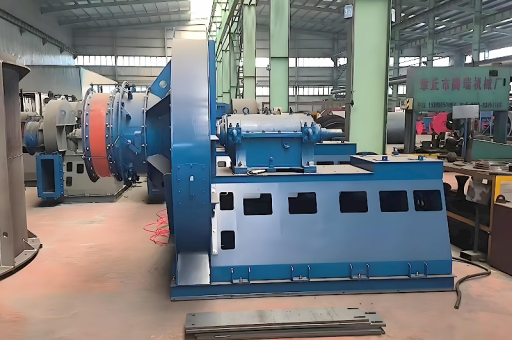
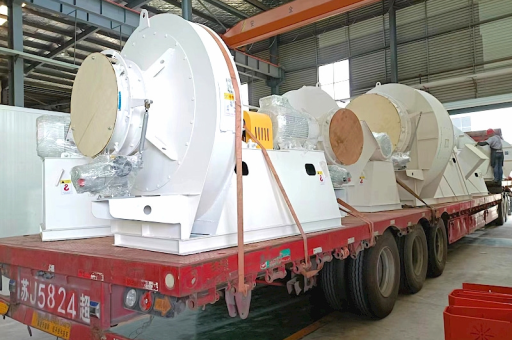
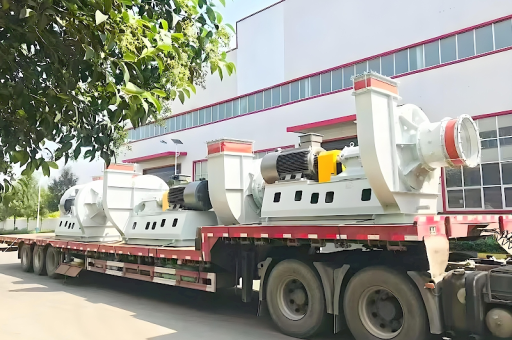
It sounds like you're looking for information on stainless steel ventilation fans. These are specialized fans used in environments where standard plastic or painted steel fans would corrode or fail.
Here is a comprehensive breakdown of what they are, where they are used, and how to choose one.
What is a Stainless Steel Ventilation Fan?
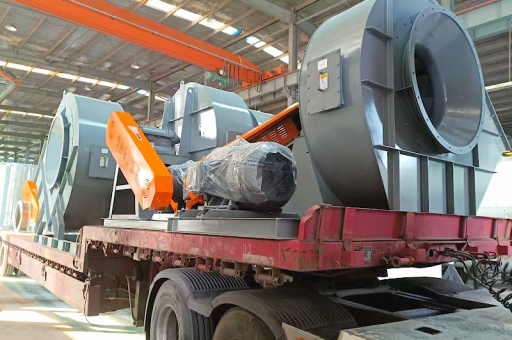
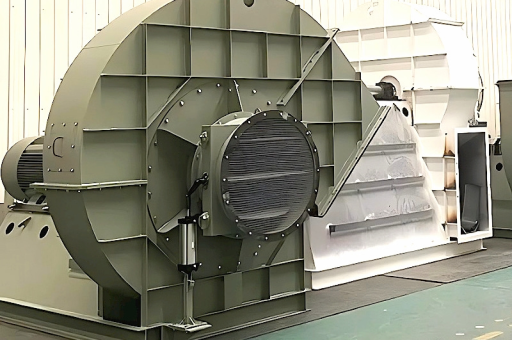
As the name implies, these fans are made with a stainless steel housing, impeller (blades), and mounting hardware. The most common grade used is SS304, but for highly corrosive environments (like marine or chemical labs), SS316 (marine grade) is used.
Key Difference vs. Standard Fans:
- Standard Fans: Painted steel or plastic. Susceptible to rust, UV damage, and chemical attack.
- Stainless Steel Fans: Highly resistant to corrosion, high temperatures, and mechanical impact. They are non-porous and easy to sanitize.
Why Choose a Stainless Steel Fan? (Key Applications)
These fans are an investment. You need them in specific "hostile" environments:
-
Kitchens (Commercial & High-End Residential):
- Why: Exhaust fans must handle grease, steam, and high heat. Stainless steel is non-corrosive, easy to scrub down, and doesn't harbor bacteria like plastic.
- Note: These are often part of a Type I or Type II hood system.
-
Bathrooms (High-End & Harsh Chemicals):
- Why: In homes with saltwater pools, harsh cleaning chemicals (chlorine bleach, ammonia), or high-humidity, a plastic fan's grille will warp and discolor, while a standard metal fan will rust. SS fans last indefinitely.
-
Restrooms & Locker Rooms:
- Why: Constant moisture, steam, and chemical cleaners. SS is the standard for public hygiene.
-
Industrial & Laboratory:
- Why: Exhausting corrosive fumes (acids, solvents, salty air). Plastic fans can become brittle over time, but SS handles chemical exposure and high temperatures better.
-
Food Processing & Breweries:
- Why: The fan must be washdown-capable and meet food safety standards (FDA/USDA). The smooth surface of stainless steel prevents bacterial growth.
-
Marine & Coastal Areas:
- Why: Standard fans will rust within a year due to salt air. A 316-grade stainless steel fan is almost mandatory for boats, ships, or beach houses.
Types of Stainless Steel Fans
Not all SS fans are the same. You need to match the type to your ductwork and space.
-
Inline Duct Fans:
- Best for: Growing rooms, long duct runs, kitchen exhaust.
- Pros: Mounted in the ductwork (hidden), powerful, quiet.
- Cons: Requires cutting into ductwork.
-
Wall-Mounted Exhaust Fans (Shutter Fans):
- Best for: Warehouses, garages, greenhouses.
- Pros: High CFM (airflow), easy to install through a wall.
- Cons: Louvered shutters can get dirty.
-
Ceiling Mounted (Bathroom-Style):
- Best for: Bathrooms, saunas, small kitchens.
- Pros: Fits standard ceiling cutouts.
- Cons: Not as powerful as industrial inline fans.
-
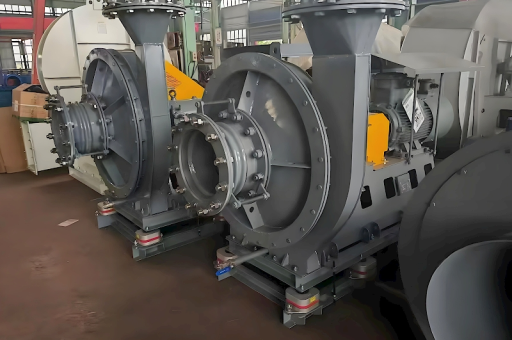
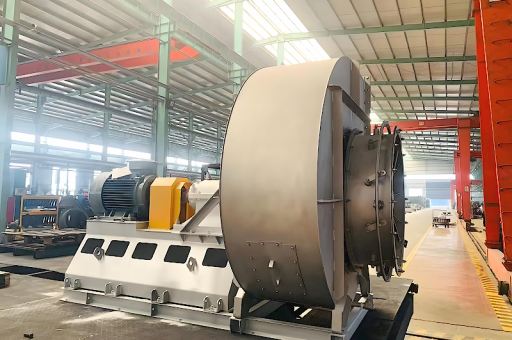
Centrifugal (Squirrel Cage) Blowers:
- Best for: Ductwork with high static pressure (long, narrow pipes).
- Pros: Very high pressure, quiet operation.
- Cons: More expensive, larger.
Critical Specifications to Check
-
Grade of Stainless Steel:
- SS304 (18/8 Stainless): Good for kitchens, bathrooms, and light chemical exposure. The standard.
- SS316 (Marine Grade): Essential for saltwater, strong acids (hydrochloric, sulfuric), and chlorinated environments. Always choose this for coastal or chemical-heavy use.
-
Motor Type:
- Shaded Pole: Cheap, low efficiency. Fine for intermittent use.
- PSC (Permanent Split Capacitor): Better efficiency, more reliable.
- EC (Electronically Commutated): Best. Extremely energy efficient, variable speed, quiet. These are long-term cost savers.
-
IP Rating (Ingress Protection):
- IP44: Splash-proof (good for a bathroom).
- IP55: Water jets (good for washdown areas).
- IP56/IP66: Heavy water jets or temporary immersion (industrial).
-
Airflow (CFM - Cubic Feet per Minute):
- Bathroom: 50-100 CFM per toilet/shower.
- Kitchen: 100+ CFM per linear foot of cooktop.
- Warehouse: 2,000+ CFM.
Cost & Where to Buy
- Cost: A standard plastic bathroom fan is $20-50. A quality SS304 bathroom fan might be $150-400. An SS316 industrial inline fan can cost $1,000 - $5,000+.
- Brands to Look For:
- Fantech: Excellent for inline and centrifugal SS fans. High quality.
- Panasonic: Their WhisperFit line has some models with SS faceplates (usually residential).
- Air King / Dayton: Industrial-grade wall-mount and ceiling fans.
- Continental Fan / CFD: Specialized in stainless steel explosion-proof fans.
- Where to Buy: Not typically at your local big-box hardware store. You'll need:
- HVAC specialty distributors.
- Online retailers like Grainger, McMaster-Carr, or Amazon Business.
- Industrial supply houses (for high-CFM models).
Drawbacks & Considerations
- Price: The biggest downside. Expect to pay 3-10x more than a standard fan.
- Rust Potential (Yes, it can rust!): "Stainless" means it stains less, not never. If you use chlorine bleach on it, or if it's low-grade SS (e.g., 430) , it will pit and rust.
- Weight: SS fans are very heavy. Ensure your wall or ceiling can support the weight.
- Harmonics: Some SS fans can produce a "tingy" ringing sound if not properly mounted with rubber isolators.
Summary Recommendation
- For a standard bathroom: You probably don't need stainless steel. A good quality polypropylene/polycarbonate fan is fine.
- For a coastal house: Buy an SS316 fan (Fantech or Panasonic). It will save you from replacing a rusty fan every 2 years.
- For a commercial kitchen or brewery: You must use SS304 or SS316. Check for NSF (National Sanitation Foundation) certification.
Final Advice: When shopping, focus on CFM (airflow) and DB (sound level) . A cheap SS fan that is loud or weak is a waste of money. Always verify that the motor housing is also stainless steel (some brands only have a stainless steel grille, which is useless).