The Ultimate Guide to Stainless Steel High-Temperature Smoke Exhaust Fans: Performance, Applications, and Expert Insights
Table of Contents
- Introduction: Why High-Temperature Smoke Exhaust Fans Matter
- What Are Stainless Steel High-Temperature Smoke Exhaust Fans?
- Key Design Features and Material Advantages
- Common Applications Across Industries
- Performance Specifications and Selection Criteria
- Installation Best Practices and Safety Considerations
- Maintenance Tips for Long-Term Reliability
- Frequently Asked Questions (FAQ)
- Conclusion: Investing in Quality and Compliance
Introduction: Why High-Temperature Smoke Exhaust Fans Matter
In industrial and commercial environments where fire safety is paramount, the ability to rapidly and effectively remove smoke, heat, and toxic gases is non-negotiable. Stainless steel high-temperature smoke exhaust fans are purpose-built to operate under extreme conditions—often at ambient temperatures exceeding 400°C (752°F) for extended periods. Unlike standard ventilation fans that fail under thermal stress, these specialized units are engineered to maintain structural integrity, airflow performance, and electrical safety even when exposed to direct flames or corrosive byproducts of combustion.
The demand for such fans has surged globally, driven by stricter fire codes (e.g., NFPA 92, EN 12101-3) and the need for durable, corrosion-resistant equipment in industries ranging from chemical processing to tunnel ventilation. This guide synthesizes technical data from leading manufacturers, fire safety standards, and field application reports to provide a comprehensive resource for engineers, facility managers, and procurement professionals.
What Are Stainless Steel High-Temperature Smoke Exhaust Fans?
Definition and Core Function
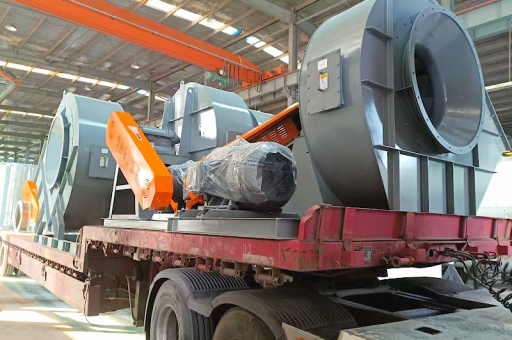
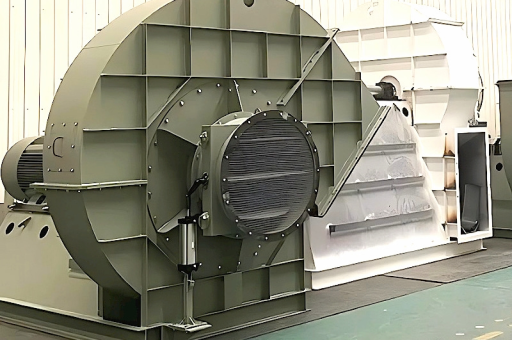
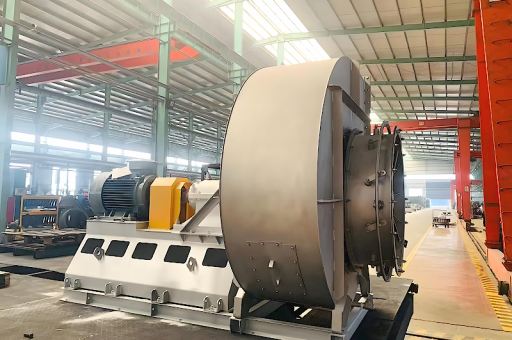
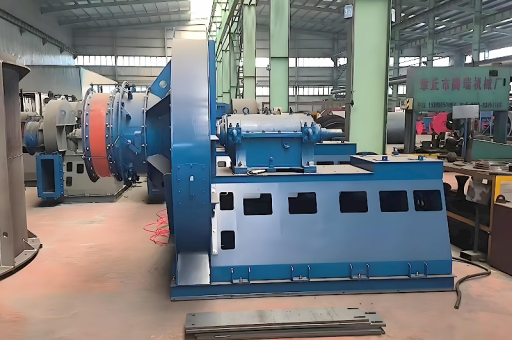
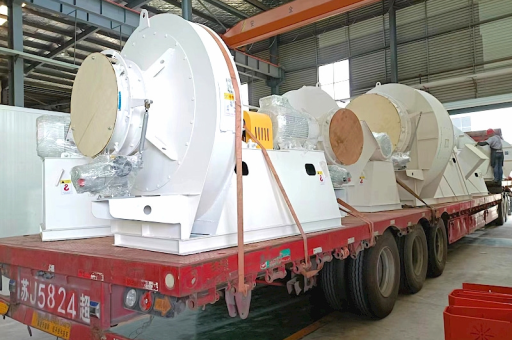
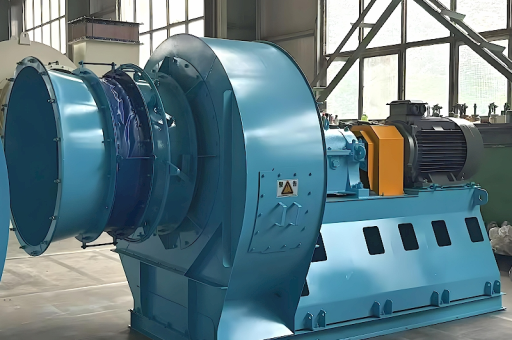
A stainless steel high-temperature smoke exhaust fan is a mechanical ventilation device designed to extract smoke, heat, and combustion gases from a building or industrial process during a fire event or high-temperature operation. Its primary components—impeller, housing, shaft, and motor enclosure—are constructed from stainless steel alloys (typically 304, 316, or 310S) to resist oxidation, thermal fatigue, and chemical attack.
How They Differ from Standard Fans
• Temperature rating: Standard fans max out around 80°C; high-temp models are rated for 250°C to 600°C continuous duty.
• Material: Stainless steel replaces carbon steel or aluminum to prevent deformation and corrosion.
• Motor cooling: External rotor motors or air-cooled designs prevent overheating.
• Certification: Must meet UL 762, CE, or other fire resistance standards.
Key Design Features and Material Advantages
1 Stainless Steel: The Backbone of Durability
- 304 stainless steel: Suitable for most industrial kitchens and light commercial applications (up to 400°C).
- 316 stainless steel: Enhanced resistance to chlorides and acidic fumes (e.g., chemical plants, marine environments).
- 310S stainless steel: Withstands continuous exposure up to 600°C with excellent creep resistance.
2 Critical Engineering Components
- Impeller design: Backward-curved or radial blades ensure high static pressure and efficient smoke extraction even with particulate-laden air.
- Thermal barrier: A ceramic fiber or mineral wool layer between motor and hot gas stream extends motor life.
- IP rating: Minimum IP55 for dust and water protection; IP65 recommended for wash-down environments.
Expert Note: "The choice of stainless steel grade directly impacts fan longevity in corrosive smoke scenarios. For ammonia or sulfur-based fires, 316L is often mandatory," says a senior HVAC engineer from a wind turbine component testing facility.
Common Applications Across Industries
| Industry | Typical Use Case | Temperature Range | Special Requirements |
|---|---|---|---|
| Commercial Kitchens | Hood exhaust, fire suppression backup | 200–350°C | Grease-resistant coatings, BMS integration |
| Petrochemical Plants | Flare gas recovery, emergency venting | 300–600°C | Explosion-proof motor, ATEX certification |
| Tunnels & Subways | Jet fan for smoke control during fires | 250–400°C | Reversible airflow, seismic brackets |
| Pharmaceutical | Cleanroom smoke evacuation during sterilization | 150–250°C | Electropolished surfaces, no particle shedding |
| Wind Turbine Nacelles | Cooling and smoke removal from electrical cabinets | 70–150°C (ambient peak) | Lightweight compact design, remote monitoring |
Real-World Example: A major wind turbine manufacturer recently integrated 316 stainless steel exhaust fans into their nacelle cooling systems to prevent thermal runaway in power converters. The fans reliably operate at 150°C ambient without degrading lubrication seals.
Performance Specifications and Selection Criteria
1 Key Parameters to Evaluate
- Airflow (CFM or m³/h): Determine required volumetric flow rate based on room volume and smoke clearance time (typically 6–12 air changes per hour for fire scenarios).
- Static Pressure (Pa or in. w.g.): Counteract duct resistance; high-pressure models (500–1500 Pa) are common for long duct runs.
- Temperature Rating: Confirm continuous vs. surge rating. A fan rated for 400°C/2h can survive 600°C for 30 minutes.
- Motor Power (kW): Typically 0.75–15 kW for industrial units. Variable frequency drives (VFDs) are recommended for energy savings.
2 Selection Checklist
- [ ] Fan material matches smoke chemistry (e.g., avoid 304 in chlorine-rich environments).
- [ ] Motor insulation class H (180°C) or higher.
- [ ] Bearings designed for high-temp grease (e.g., Mobilith SHC 100).
- [ ] Compliance with local fire codes (e.g., BS 7346, AS 1668).
- [ ] Integration with fire alarm system (24V DC or 0–10V control).
Installation Best Practices and Safety Considerations
1 Structural and Electrical Installation
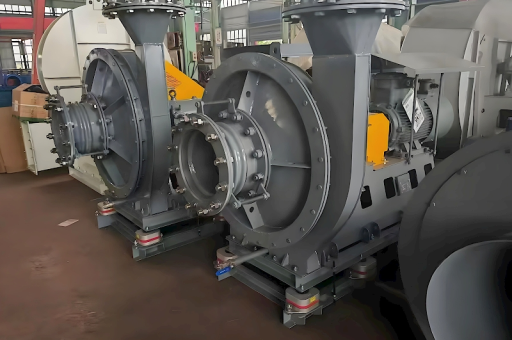
- Mounting: Use vibration isolators and stainless steel brackets to prevent galvanic corrosion.
- Ductwork: Connect with flexible stainless steel bellows to accommodate thermal expansion.
- Electrical: Install a dedicated circuit with thermal overload protection. Never use standard PVC cables; prefer silicone rubber or PTFE insulated wires rated for 200°C+.
2 Fire Scenario Integration
- Shutdown sequence: In case of fire, the fan must start automatically (via smoke detector or fire panel) and run until temperature drops below safe threshold.
- Backdraft prevention: Include a stainless steel gravity damper or motorized shut-off damper.
Common Mistake: "Many installers place the fan too close to the heat source, reducing motor life by 50%. Maintain at least 1.5 meters separation between the fan inlet and the fire source," warns an inspection consultant.
Maintenance Tips for Long-Term Reliability
- Weekly checks: Listen for abnormal noise; inspect bolts for loosening due to thermal cycling.
- Monthly: Clean impeller blades with non-abrasive brushes to remove carbon deposits.
- Quarterly: Lubricate bearings (if regreasable) with high-temperature grease. Verify motor insulation resistance (should exceed 1 MΩ).
- Annually: Replace seals and gaskets. Perform a full functional test with simulated heat (e.g., using a heat gun at the sensor).
- Record keeping: Log temperature, runtime, and vibration data for predictive maintenance.
Frequently Asked Questions (FAQ)
Q1: Can stainless steel high-temperature smoke exhaust fans be used outdoors?
A: Yes, provided they have a weatherproof hood and IP55 or higher rating. However, coastal environments require 316 stainless steel to avoid pitting from salt spray.
Q2: What is the difference between a smoke exhaust fan and a regular ventilation fan?
A: Smoke exhaust fans are specifically tested to operate at high temperatures (≥250°C) for a defined period (e.g., 2 hours), while standard fans will fail quickly under fire conditions. Additionally, smoke fans often have reinforced shafts and non-combustible wiring.
Q3: How do I choose between belt-drive and direct-drive models?
A: Direct-drive (motor on impeller shaft) is more compact and lower maintenance but limited to smaller sizes. Belt-drive allows easier motor replacement and speed adjustment but requires belt tension checks and can introduce spark risks in hazardous areas.
Q4: Are these fans compatible with solar-powered systems?
A: Yes. Low-voltage DC models (24V, 48V) are available for off-grid or wind turbine hybrid setups. However, they must still meet fire safety temperature ratings—some DC motors have lower heat tolerance, so verify specifications carefully.
Q5: What certification should I look for?
A: In North America, look for UL 762 or ULC-S646. In Europe, EN 12101-3 (class F300, F400, F600). For marine or offshore use, DNV or Lloyds certification may be required.
Conclusion: Investing in Quality and Compliance
Choosing the right stainless steel high-temperature smoke exhaust fan is not just a matter of meeting code—it is a critical investment in life safety and asset protection. From commercial kitchens to wind turbine nacelles, these fans must deliver unwavering performance when it matters most. By prioritizing material grade, thermal rating, and certified compliance, facility managers can avoid costly failures and legal liabilities. Always consult with a fire protection engineer and the fan manufacturer to match the unit to your specific risk profile. As technology advances, smart sensors and IoT integration are making it easier than ever to monitor fan health in real time, ensuring that your smoke control system is always ready for the worst-case scenario.