This article's table of contents introduction:
- What Makes Them "High-Temperature Resistant"?
- Key Technical Specifications to Look For
- Critical VFD Considerations for High-Temp Fans
- Common Applications
- Examples of Manufacturers (Brands)
- Selection Checklist (Before Purchase)
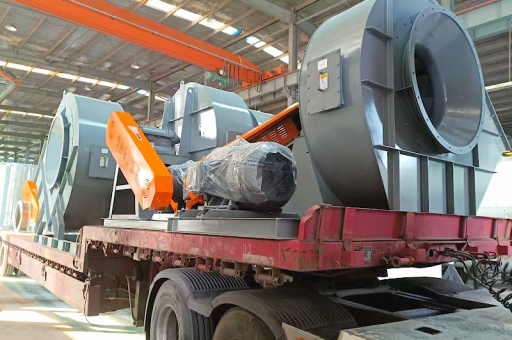
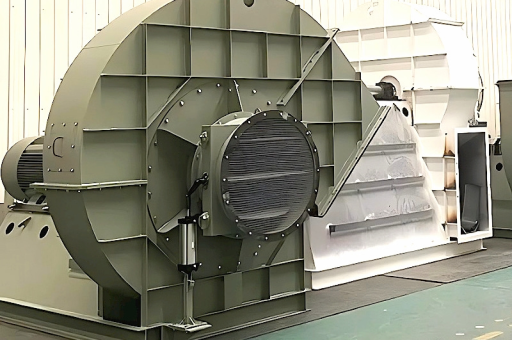
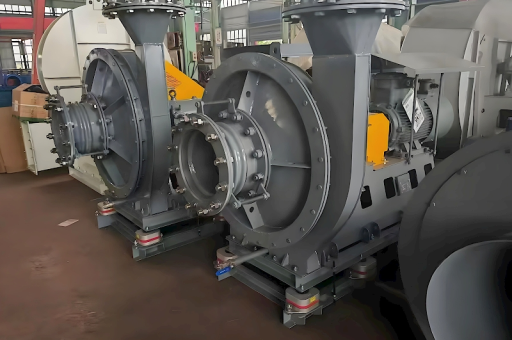
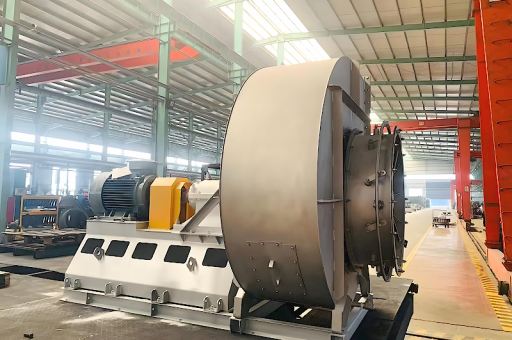
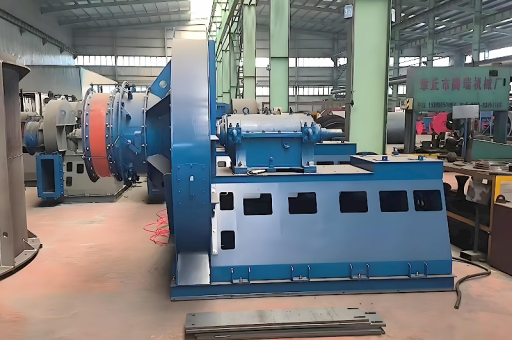
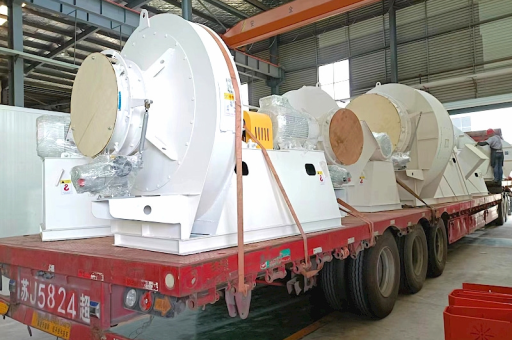
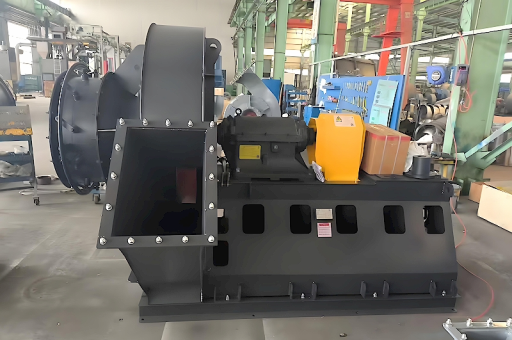
It seems you are looking for information or specifications regarding High-Temperature Resistant Variable Frequency Fans. These are specialized industrial fans designed to operate reliably in extreme heat environments (typically above 100°C / 212°F) while allowing for speed control via a Variable Frequency Drive (VFD).
Here is a comprehensive breakdown of what these fans are, their components, applications, and key selection criteria.
What Makes Them "High-Temperature Resistant"?
Standard fans fail in high heat due to bearing lubricant breakdown, motor insulation failure, and material expansion. High-temp fans address this through specific engineering:
- Motor Design:
- External Rotor Motor: The motor is often placed outside the main airflow (or in a separate cooling duct) to prevent overheating.
- High-Temp Insulation: Motors use Class H (180°C) or Class C (200°C+) winding insulation.
- Ceramic or Teflon Lead Wires: Internal wiring withstands prolonged heat exposure.
- Bearing System:
- High-Temp Grease: Synthetic grease (e.g., PFPE-based) that does not oxidize or melt at high temperatures.
- Steel or Ceramic Bearings: Some use hybrid ceramic bearings (silicon nitride balls) which expand less and run cooler.
- Oil Circulation Systems: For extreme temperatures (>250°C), external oil lubrication lines may be used.
- Housing & Impeller:
- Cast Aluminum: Common for moderate high-temp (up to 200°C).
- Stainless Steel (SS304/316): Required for corrosive or very high-temp environments (>250°C).
- Coated Impellers: KTL (cathodic dip coating) or silicone coatings for thermal stability.
Key Technical Specifications to Look For
When selecting a fan for a VFD application in a hot environment, consider:
| Feature | Standard Fan | High-Temp Fan |
|---|---|---|
| Max Ambient Temp | 40°C - 60°C | 100°C - 300°C+ (e.g., 150°C, 200°C, 350°C) |
| Motor Insulation | Class B (130°C) or F (155°C) | Class H (180°C) or C (200°C+) |
| Bearing Grease | Standard Lithium | High-temp synthetic (e.g., Krytox, Mobilith SHC 100) |
| VFD Compatibility | May require derating | Specifically designed for sine wave output & low carrier freq. |
| Thermal Protection | Optional | Essential (PTC thermistors or thermostats built-in) |
Critical VFD Considerations for High-Temp Fans
Running a fan at variable speeds in a hot environment adds stress. Specific VFD setup is required:
- Motor Derating: A standard motor operated by a VFD derates by 10-30% due to harmonic heating. For high-temp fans, the motor is often overrated (e.g., a 5.5kW motor is used for a 4kW load) to compensate.
- Carrier Frequency: Set the VFD carrier frequency low (e.g., 2-4 kHz). High carrier frequencies cause more heat buildup in the motor.
- Sine Wave Filters (dV/dt Filters): Highly recommended. They smooth the VFD output voltage, reducing peak stresses on motor insulation and reducing bearing currents (which are destructive in high-temp conditions).
- Motor Cables: Use shielded, high-temperature rated cables (e.g., silicone or glass fiber braided) rated for the ambient environment.
Common Applications
These fans are used where equipment or exhaust gases are hot and variable airflow is needed:
- Industrial Ovens & Dryers: Paint curing ovens, food dehydrators, tea dryers.
- Foundries & Forges: Exhausting heat from induction furnaces or forging presses.
- Boiler Rooms: Forced draft cooling, flue gas extraction (with appropriate materials).
- Kilns (Ceramic/Brick): Cooling zone fans.
- Chemical & Petrochemical: Exhausting high-temperature process gases.
- Power Plants: Cooling for transformers in high ambient heat.
- Battery Manufacturing (e.g., NEV): Hot exhaust from drying chambers.
Examples of Manufacturers (Brands)
- European/High-end: ebm-papst (e.g., W1G series for high temp), Ziehl-Abegg (ZAvblue therm), Rosenberg.
- Industrial Specialists: Nicotra Gebhardt, Soler & Palau (S&P), Greenheck.
- Asian/Mid-range: Vostermans Ventilation, Hightemp Fans (India), or custom fan manufacturers like New York Blower (USA) for high-temp options.
Selection Checklist (Before Purchase)
To get the right fan, you must specify:
- Maximum ambient temperature the fan will be exposed to (e.g., 150°C continuous, 180°C peak).
- Required airflow (CFM or m³/h) and static pressure (Pa or in. wg) at the required speed.
- VFD compatibility: Will you use a standard VFD or one with enhanced thermal controls (e.g., ABB ACS880, Siemens G120 with PTC card)?
- Duty cycle: Continuous (S1) or intermittent (S2/S3)?
- Media: Is the air clean, dusty, or has condensing gases?
A key warning: Never run a standard variable frequency fan near its maximum rated temperature without checking the motor's VFD derating curve. Many fans are rated for high temperature only at full speed (50/60 Hz). When slowed down significantly by the VFD, the internal motor cooling (from its own shaft-mounted fan) drops drastically, causing rapid overheating.
Let me know if you have a specific project in mind (temperature, airflow, size) and I can help refine the search.